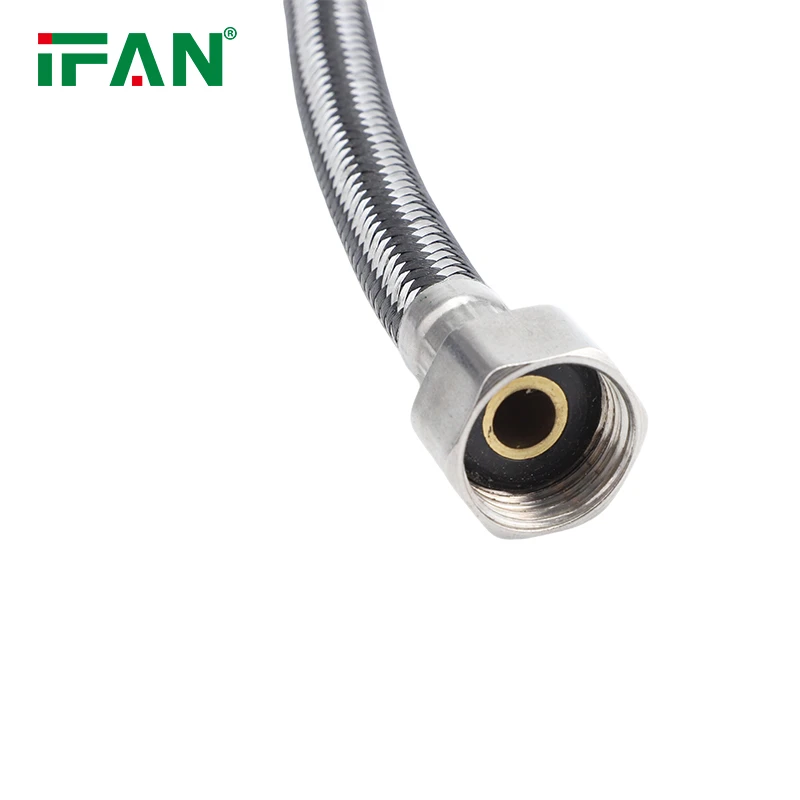
Wire braided hoses represent a critical innovation in fluid transfer technology, offering a unique combination of durability, flexibility, and pressure resistance. While these hoses may appear more expensive initially than basic rubber or plastic alternatives. Their economic advantages become profoundly clear when considering total cost of ownership and operational reliability. This comprehensive analysis explores the financial benefits of wire braided hoses across various industries. Examining how their construction and performance characteristics translate into long-term savings. We will address common questions about cost justification, compare their economic value against alternative solutions, and demonstrate how these hoses contribute to reduced maintenance costs and improved system efficiency in demanding applications from automotive to industrial manufacturing.
Basic Definition and Characteristics: The Foundation of Value
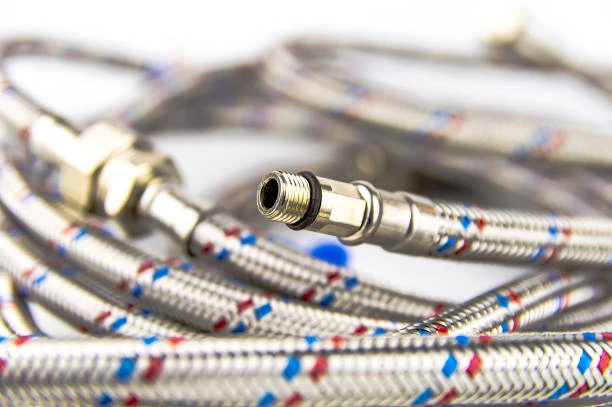
Wire braided hoses feature a multi-layer construction that typically includes an inner tube, one or more layers of steel wire braiding, and a protective outer cover. Manufacturers design the inner tube from materials such as synthetic rubber, PTFE, or thermoplastics to ensure compatibility with various fluids, temperatures, and pressures. The critical reinforcing element consists of high-tensile steel wires woven in a braided pattern around the inner tube, providing exceptional strength and resistance to expansion under pressure.
This specific construction delivers several economically valuable characteristics. The wire reinforcement enables these hoses to withstand much higher working pressures than non-reinforced hoses of similar size. Allowing for more compact system designs and reduced material costs elsewhere in the system. Their enhanced durability significantly extends service life, even in applications involving pulsation, vibration, or extreme temperature fluctuations. The flexibility maintained despite the reinforcement facilitates easier installation in tight spaces, reducing labor time and complexity. These features collectively contribute to fewer failures, less downtime, and lower replacement frequency, establishing a strong economic case for their selection.
Common Uses and Application Industries: Driving Efficiency Across Sectors
The economic benefits of wire braided hoses make them valuable across numerous industries where reliable fluid transfer is critical to operational success. In automotive and transportation applications, these hoses form essential components in brake systems, power steering, fuel lines, and turbocharger installations. Their failure resistance prevents costly breakdowns, enhances vehicle safety. And reduces warranty claims, providing significant economic advantages for manufacturers and consumers alike.
Industrial manufacturing facilities extensively utilize wire braided hoses in hydraulic systems operating high-pressure machinery. The superior pressure rating and durability of these hoses minimize unexpected failures that could cause production stoppages costing thousands of dollars per hour. The agricultural sector relies on them for irrigation systems, sprayer equipment, and tractor hydraulics. Where their resistance to environmental factors and abrasion ensures continuous operation during critical planting and harvesting seasons, protecting valuable crop yields.
In construction and heavy equipment, wire braided hoses power hydraulic excavators, bulldozers, and cranes, where hose failure could result in massive repair costs and project delays. The chemical processing industry employs specially designed braided hoses for transferring aggressive chemicals safely, preventing expensive leaks and potential environmental contamination.
Frequently Asked Questions (FAQ)
1. Are wire braided hoses more expensive than standard hoses, and is the cost justified?
Yes, wire braided hoses typically carry a higher initial price point than basic rubber or plastic hoses due to their complex manufacturing process and superior materials. However, this cost is absolutely justified when considering total ownership expenses.
2. How does the service life of wire braided hoses compare to alternatives?
Wire braided hoses typically offer a much longer service life than non-reinforced hoses, especially in high-pressure or high-vibration environments. While standard hoses might require replacement every 1-2 years in severe applications, quality wire braided hoses can last 5-10 years or more, dramatically reducing replacement costs and labor expenses over time.
3. Can wire braided hoses help reduce maintenance costs?
Absolutely. The robust construction of wire braided hoses resists damage from abrasion, corrosion, and environmental factors that commonly cause hose failures. This durability translates directly into reduced maintenance requirements, fewer emergency repairs, and lower inventory costs for replacement hoses. Their reliability also contributes to less frequent system flushing and fluid replacement due to contamination from hose degradation.
4. Do wire braided hoses offer any efficiency benefits that impact operational economics?
Yes, wire braided hoses contribute to system efficiency in several ways. Their superior pressure containment reduces energy loss from hose expansion, particularly important in hydraulic systems. Their reliability prevents production stoppages and maintains operational tempo.
5. How should I evaluate the true economic value when selecting wire braided hoses?
Look beyond the initial purchase price and consider total cost of ownership. Factor in expected service life, maintenance requirements, potential downtime costs, and safety implications. Consider the hose’s pressure rating, temperature range, and fluid compatibility relative to your specific application requirements.
Conclusion
In conclusion, wire braided hoses represent a prime example of how initial investment in quality components yields substantial economic benefits throughout the product lifecycle. While their upfront cost may exceed that of basic hoses, their superior durability, pressure resistance, and reliability translate into significant long-term savings across multiple dimensions. These hoses reduce maintenance expenses, minimize unplanned downtime, prevent costly system failures, and enhance operational safety—all critical factors in today’s competitive industrial landscape.
The economic case for wire braided hoses becomes particularly compelling in applications where failure consequences extend beyond simple replacement costs to include production losses, environmental cleanup, or safety liabilities.This strategic approach to component selection ensures that operations maintain maximum efficiency while controlling costs, ultimately contributing to improved profitability and sustainable operational excellence across numerous industries.
IFAN’s international standards
IFAN products comply with a wide range of international standards, including ASTM 2846, DIN 8079/8080, ASTM F441/F441M SCH80, GB/T 18993 series, AS/NZS 1477, CSA B137.6, NSF/ANSI 14, and TIS 17-2532/1131-2535. These certifications ensure that our pipes and fittings meet global quality, safety, and performance requirements.
Connect
IFAN, a Chinese manufacturer with 30 years of experience, specializes in high-quality plastic pipes, fittings, and valves. Interested in IFAN’s copper fittings, copper valves, plastic pipes, or fittings? Contact us today. IFAN offers a wide range of standard pipes tailored to your needs. Explore our affordable, cost-effective valve and piping system products.
We respond to emails or faxes within 24 hours. For immediate assistance, call us anytime with questions about our products.
For more information,pls visit our webside https://waterpipefitting.com/
Pls Mailto: [email protected]
Whatsapp: +86 13325756195