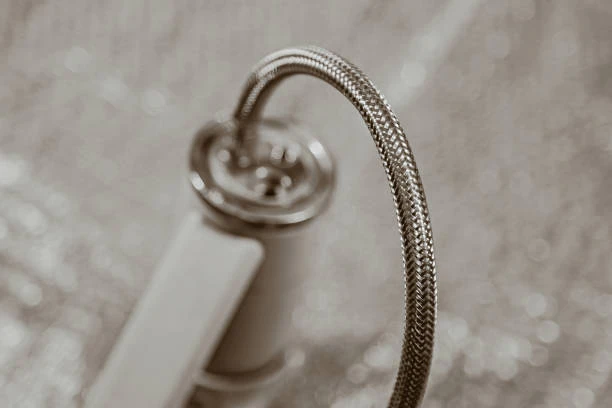
Stainless steel braided hoses provide essential safety benefits that make them the preferred choice for numerous residential. Commercial, and industrial applications where failure could lead to dangerous situations. These hoses combine flexible inner tubing with a protective stainless steel outer layer to create reliable connections that prevent leaks, bursts, and potential hazards. This comprehensive guide examines the safety features of stainless steel braided hoses. Exploring their construction advantages, performance characteristics, and diverse applications where safety is paramount. We will address common safety questions about proper installation, maintenance, and selection criteria to help users make informed decisions.
Basic Definition and Characteristics
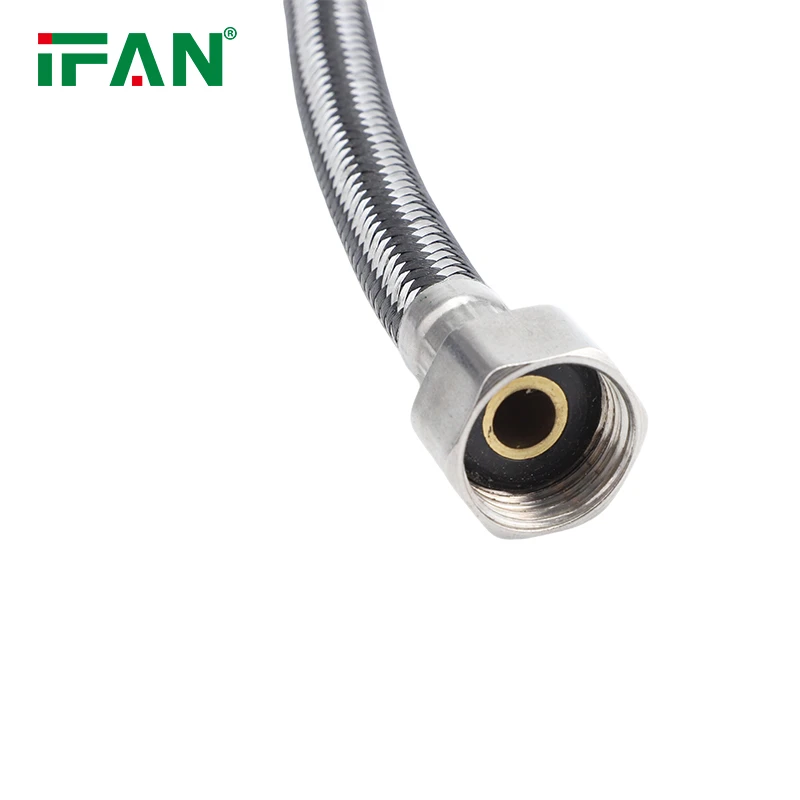
Stainless steel braided hoses feature a multi-layer construction designed specifically for safety and reliability. Manufacturers create these hoses with a flexible polymer inner tube, typically made from materials like EPDM rubber or PTFE, which they then reinforce with a woven stainless steel mesh exterior. This braided stainless steel covering provides crucial protection against bursting, abrasion, and external damage while maintaining necessary flexibility. The key safety characteristics include exceptional burst pressure resistance, often rated several times higher than standard rubber or plastic hoses, which prevents sudden failures that could cause flooding or water damage. These hoses demonstrate excellent resistance to temperature extremes. Maintaining integrity in both high-heat environments and freezing conditions where other hoses might fail. Their corrosion resistance ensures long-term reliability in moist environments where rust could compromise safety. The non-porous stainless steel exterior also prevents rodent damage and UV degradation, common causes of hose failure in various installations.
Common Uses and Application Industries
The safety features of stainless steel braided hoses make them essential across numerous industries and applications where failure could have serious consequences. In residential plumbing, these hoses serve as critical safety components for toilet supply lines, faucet connections, and appliance hookups for washing machines and dishwashers, where their burst resistance prevents catastrophic water damage. The automotive industry relies on them for brake lines, fuel connections, and power steering systems where failure could lead to accidents or vehicle fires. Industrial facilities use these hoses for hydraulic systems, compressed air lines, and chemical transfer applications where pressure integrity is essential for worker safety.Food processing plants utilize stainless steel braided hoses for their sanitary properties and resistance to cleaning chemicals that could degrade lesser materials. HVAC systems depend on them for refrigerant lines and connections where leaks could cause system failure or environmental hazards.
Safety Features and Considerations
Several crucial safety features distinguish stainless steel braided hoses from alternative products. The stainless steel braiding provides superior burst protection, with quality hoses typically rated for pressures exceeding 1000 PSI, far beyond what most residential water systems require. The materials used in quality hoses are non-toxic and often certified for potable water use, ensuring they don’t introduce contaminants into drinking water systems. Fire resistance is another significant safety advantage, as the stainless steel exterior provides protection against flame exposure that would destroy rubber or plastic hoses. Proper end fittings with secure crimping or swaging prevent leaks at connection points, which are common failure locations in inferior hoses. Many manufacturers include safety features like built-in shut-off valves or flow restrictors that provide additional protection against flooding.
Frequently Asked Questions (FAQ)
1. Are stainless steel braided hoses safer than rubber hoses?
Yes, they are significantly safer due to their superior burst resistance, durability, and protection against external damage. The stainless steel braiding provides multiple layers of protection that rubber hoses cannot match, making them much less likely to fail catastrophically.
2. How often should I replace stainless steel braided hoses for safety?
Manufacturers typically recommend replacement every 5-7 years for residential applications, though visual inspections should be conducted annually. Look for signs of wear, corrosion, or damage to the braiding, and replace immediately if any issues are found.
3. Can these hoses be used for gas applications?
Only specifically designed and certified hoses should be used for gas connections. Look for hoses clearly marked for gas use and always follow local building codes and manufacturer recommendations for gas appliance connections.
4. What causes stainless steel braided hoses to fail?
The most common failure points include degradation of the inner tube from chlorine or other chemicals in water, damage to the stainless steel braiding from abrasion or corrosion, and failure at the end connections due to improper installation or manufacturing defects.
5. Are there any electrical safety concerns with these hoses?
While stainless steel is conductive, properly installed hoses pose no electrical hazard as they typically don’t create continuous electrical paths. However, they should not be used as grounding sources, and proper electrical grounding should always be maintained according to local codes.
Conclusion
Their robust construction, combining flexible inner tubing with protective stainless steel braiding, creates reliable connections that withstand pressure surges, temperature extremes, and environmental challenges that would compromise lesser hoses. The numerous safety features, including high burst resistance, corrosion protection, and secure end fittings, ensure reliable performance in residential, commercial, and industrial settings. Proper selection, installation, and maintenance of these hoses significantly reduce the risk of leaks, bursts, and associated hazards. While no product is completely failure-proof, stainless steel braided hoses offer the highest level of safety available for flexible plumbing connections.
IFAN’s international standards
IFAN products comply with a wide range of international standards, including ASTM 2846, DIN 8079/8080, ASTM F441/F441M SCH80, GB/T 18993 series, AS/NZS 1477, CSA B137.6, NSF/ANSI 14, and TIS 17-2532/1131-2535. These certifications ensure that our pipes and fittings meet global quality, safety, and performance requirements.
Connect
IFAN, a Chinese manufacturer with 30 years of experience, specializes in high-quality plastic pipes, fittings, and valves. Interested in IFAN’s copper fittings, copper valves, plastic pipes, or fittings? Contact us today. IFAN offers a wide range of standard pipes tailored to your needs. Explore our affordable, cost-effective valve and piping system products.
We respond to emails or faxes within 24 hours. For immediate assistance, call us anytime with questions about our products.
For more information,pls visit our webside https://waterpipefitting.com/
Pls Mailto: [email protected]
Whatsapp: +86 13325756195