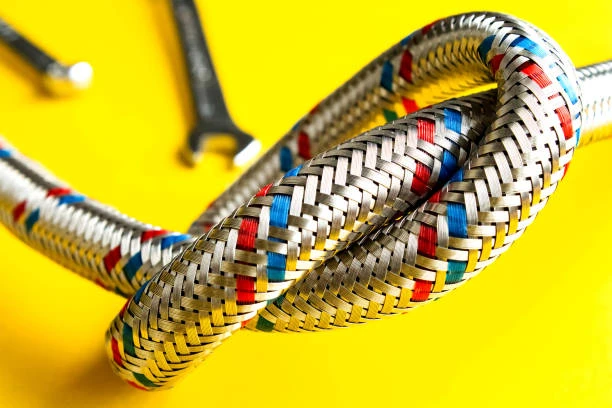
Stainless steel braided hoses represent a significant technological achievement in fluid transfer systems, combining advanced materials science with precision engineering to create superior performance solutions. These hoses incorporate multiple technological innovations that enhance their functionality, durability, and reliability across various applications. This comprehensive examination explores the technical aspects of stainless steel braided hoses, from their sophisticated construction methods and material science to their engineering specifications and performance capabilities. We will analyze the manufacturing processes, technical standards, and design considerations that make these hoses exceptional performers in demanding environments. Additionally, we will address common technical questions regarding specifications, compatibility. Performance characteristics to provide a thorough understanding of these engineered products for professionals and technical enthusiasts alike.
Basic Definition and Characteristics
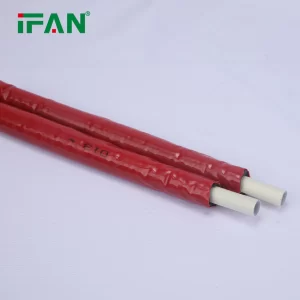
Stainless steel braided hoses feature an advanced multi-layer construction that demonstrates sophisticated engineering principles. Manufacturers typically employ a three-component system consisting of an inner tube, reinforcement layer, and protective exterior. The inner tube utilizes advanced polymers like PTFE (Polytetrafluoroethylene), EPDM (Ethylene Propylene Diene Monomer), or NBR (Nitrile Butadiene Rubber) selected for specific chemical compatibility and fluid transfer properties. The reinforcement layer consists of precisely woven stainless steel wires, usually 304 or 316 grade, applied in specific braiding patterns that determine pressure capacity and flexibility characteristics. The technical specifications include precise inner diameter tolerances, typically within ±0.5mm, ensuring consistent flow rates and pressure characteristics. These hoses exhibit exceptional pressure ratings, often ranging from 1500 to 3000 PSI for standard applications, with specialized versions reaching even higher ratings.
Common Uses and Application Industries
The technical capabilities of stainless steel braided hoses make them indispensable across numerous industries requiring precise fluid handling solutions. In automotive engineering, these hoses serve critical functions in fuel injection systems, turbocharger connections, and brake line applications where they withstand high pressures and temperature fluctuations. The aerospace industry utilizes specialized versions for hydraulic systems, fuel lines, and environmental control systems where reliability under extreme conditions is paramount. Industrial manufacturing employs these hoses in hydraulic machinery, pneumatic systems, and chemical processing equipment where their technical specifications ensure safe operation with various media. The semiconductor industry uses ultra-clean versions for chemical distribution systems where purity and contamination control are critical technical requirements. Medical equipment manufacturers incorporate specially certified hoses for oxygen delivery, anesthetic systems, and medical gas applications where technical compliance with health authority regulations is essential.
Technical Specifications and Engineering Considerations
The engineering behind stainless steel braided hoses involves numerous technical considerations that determine their performance characteristics. Material selection follows strict technical protocols, with stainless steel grades chosen based on corrosion resistance requirements—304 for general applications and 316 for more aggressive environments. The braiding pattern technology employs specific weave densities and angles that mathematically determine pressure capacity and flexibility characteristics. Manufacturers use advanced crimping technology for end fittings, applying precisely calculated forces that create permanent. Leak-proof connections without compromising hose integrity. Technical standards govern every aspect of production, including ISO 9001 quality management systems and industry-specific certifications like SAE J1405 for automotive applications or NSF/ANSI 61 for potable water uses. Fluid compatibility charts provide technical guidance on material selection based on chemical resistance requirements, temperature exposure. And concentration levels. Engineering teams consider dynamic applications where factors like vibration resistance. Flex life expectancy, and movement compensation become critical technical parameters.
Frequently Asked Questions (FAQ)
1. What technical standards apply to stainless steel braided hoses?
These hoses must comply with various international standards depending on application. Common standards include ISO 18752 for rubber hoses, SAE J1405 for automotive applications, and DIN 20066 for hydraulic hoses. Specific industries may require additional certifications like NSF/ANSI 61 for potable water or FDA compliance for food applications.
2. How do engineers calculate the appropriate hose size for specific applications?
Technical sizing involves calculating flow requirements, pressure drops, and velocity constraints. Engineers use formulas considering fluid viscosity, flow rate, and system pressure to determine optimal inner diameter. They also factor in minimum bend radius requirements and connection compatibility with existing system components.
3. What technical differences exist between various stainless steel grades used in braiding?
Grade 304 stainless steel offers good corrosion resistance for most applications, while grade 316 provides superior resistance to chlorides and acidic environments. Technical specifications also vary in tensile strength, with 316 typically offering higher mechanical properties and better performance in extreme temperatures.
4. How do temperature variations affect technical performance?
Temperature changes significantly impact pressure ratings and material properties. Most hoses have derating factors—typically 1% per 5°C above certain thresholds—that technicians must apply to published pressure ratings. Extreme cold affects flexibility and may require special low-temperature formulations.
5. What technical testing do manufacturers perform on these hoses?
Comprehensive testing includes hydrostatic pressure testing to 150% of working pressure, impulse testing simulating pressure cycles, vacuum testing for certain applications, and material compatibility testing. Additional tests may include vibration resistance, bend cycle testing, and environmental exposure testing depending on intended use.
Conclusion
The technical sophistication of stainless steel braided hoses represents a remarkable convergence of materials science, mechanical engineering, and manufacturing technology. These products demonstrate how advanced engineering solutions can create reliable, high-performance components for critical applications across diverse industries. The precise control over manufacturing processes, combined with rigorous testing protocols and compliance with international standards, ensures that these hoses meet the most demanding technical requirements. From the molecular structure of the polymer inner tubes to the precise weaving patterns of the stainless steel reinforcement, every aspect reflects careful engineering consideration and technical optimization. As technology advances, we can expect continued improvements in materials, manufacturing techniques, and performance capabilities. However, the current generation of stainless steel braided hoses already sets a high standard for technical excellence in fluid transfer systems. Their proven performance in countless applications demonstrates the success of the engineering principles and technical specifications that govern their production and use.
IFAN’s international standards
IFAN products comply with a wide range of international standards, including ASTM 2846, DIN 8079/8080, ASTM F441/F441M SCH80, GB/T 18993 series, AS/NZS 1477, CSA B137.6, NSF/ANSI 14, and TIS 17-2532/1131-2535. These certifications ensure that our pipes and fittings meet global quality, safety, and performance requirements.
Connect
IFAN, a Chinese manufacturer with 30 years of experience, specializes in high-quality plastic pipes, fittings, and valves. Interested in IFAN’s copper fittings, copper valves, plastic pipes, or fittings? Contact us today. IFAN offers a wide range of standard pipes tailored to your needs. Explore our affordable, cost-effective valve and piping system products.
We respond to emails or faxes within 24 hours. For immediate assistance, call us anytime with questions about our products.
For more information,pls visit our webside https://waterpipefitting.com/
Pls Mailto: [email protected]
Whatsapp: +86 13325756195