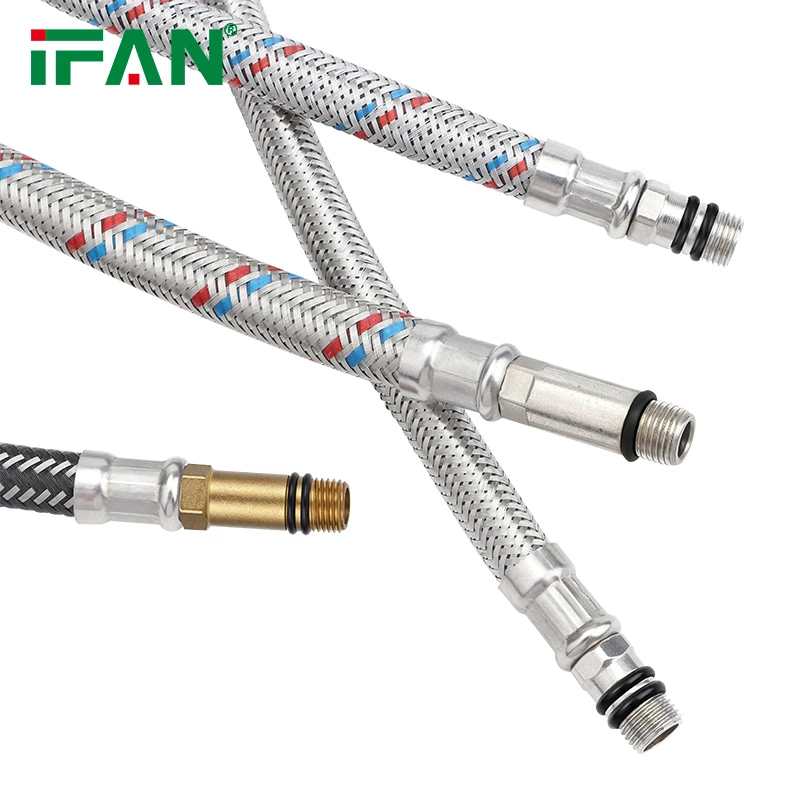
Essential Tools for Braided Hose Repairs at Home
Braided stainless steel hoses are vital for durable and flexible plumbing solutions in homes, ensuring reliable water flow in bathrooms, kitchens, and more. This guide dives into the essential tools and techniques for repairing these hoses at home, covering their features, applications, and selection tips. Whether you’re fixing a leak or upgrading your plumbing, this article provides practical advice, a material comparison, and answers to common questions to help you achieve professional results. With the right tools and knowledge, you can maintain leak-free systems effortlessly.
Frequently Asked Questions (FAQ)
1. What is a braided stainless steel hose?
A braided stainless steel hose is a flexible pipe with a stainless steel mesh exterior surrounding an inner tube, typically made of rubber or PTFE. The braiding adds strength, prevents kinking, and protects against wear, making it ideal for high-pressure water or gas systems.
2. Can I repair a braided stainless steel hose at home?
Yes, minor issues like loose fittings or small leaks can often be fixed with tools like wrenches, PTFE tape, and replacement washers. However, severely damaged hoses should be replaced to avoid risks.
3. What tools do I need for braided hose repairs?
Basic tools include an adjustable wrench, pipe cutter, PTFE tape, pipe brush, and replacement fittings. A leak detection spray or soapy water helps identify issues.
4. How do I know if my braided hose needs repair?
Look for signs like water drips, reduced pressure, or visible corrosion on the braiding or fittings. Regular inspections catch problems early.
5. Are braided stainless steel hoses worth the cost for home use?
Yes, their durability, corrosion resistance, and ability to handle high pressure make them a cost-effective choice for long-term plumbing reliability.
Definition and Features of Braided Hoses in Plumbing Systems
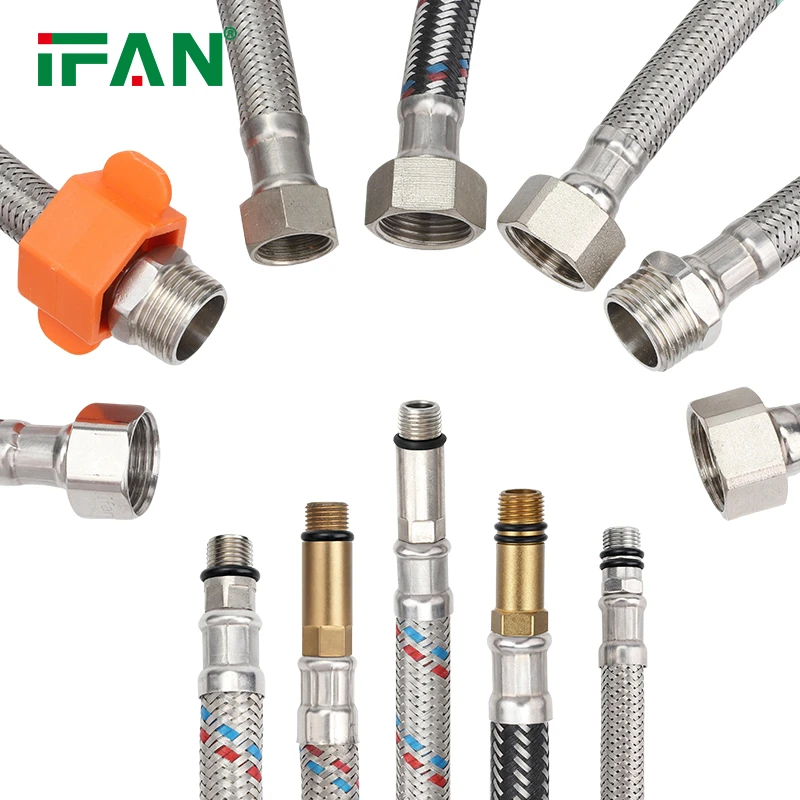
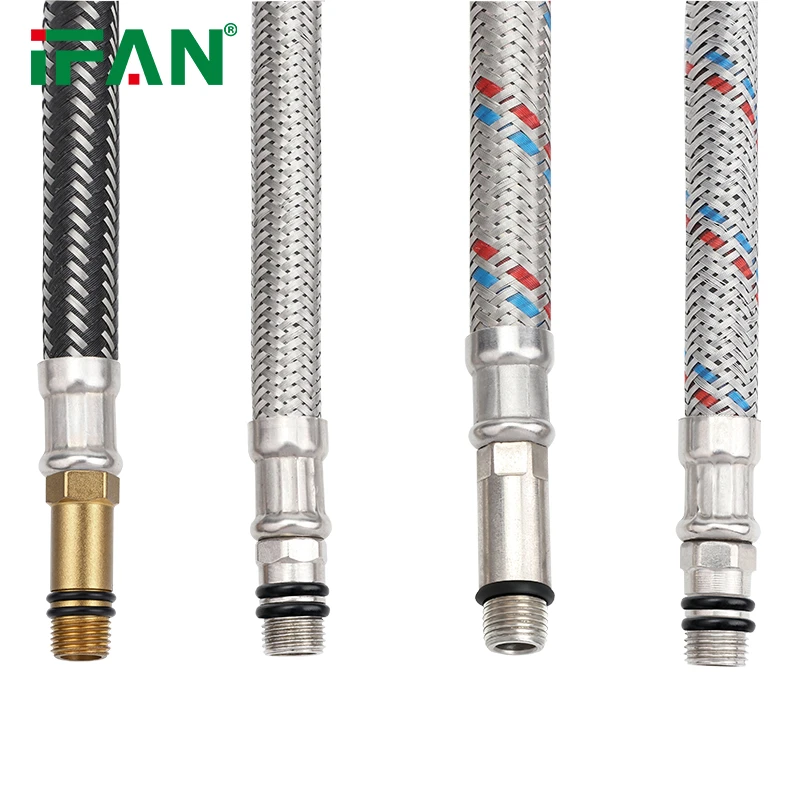
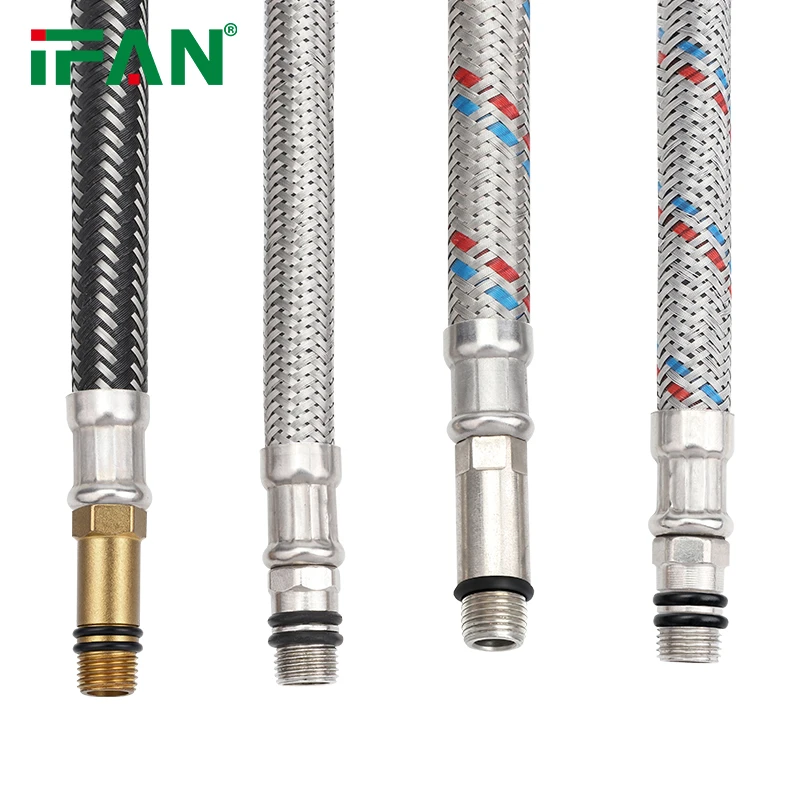
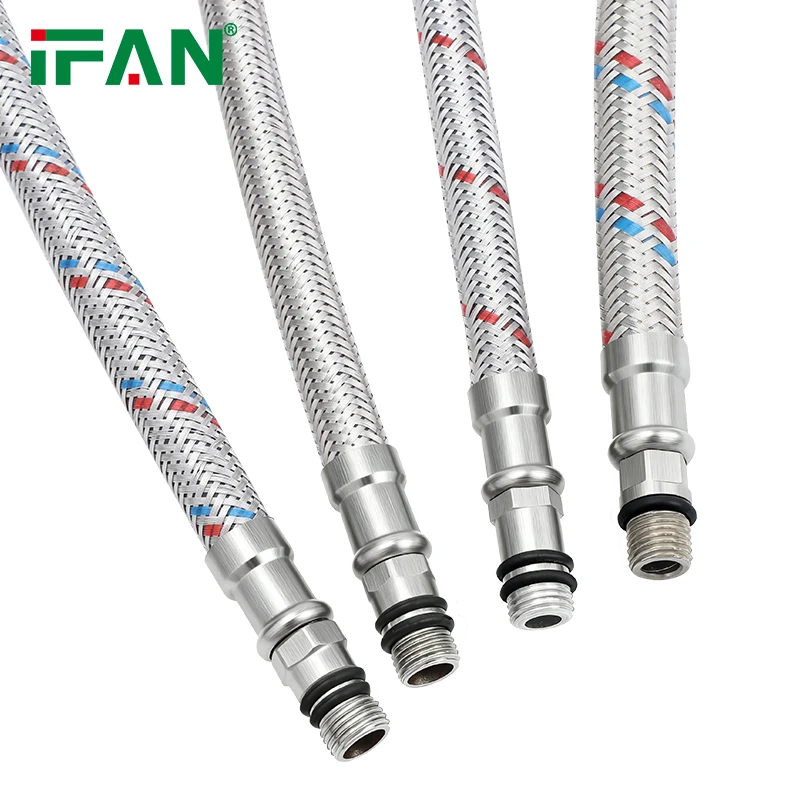
Braided stainless steel hoses combine a flexible inner tube—often made of EPDM, rubber, or PTFE—with a woven stainless steel outer layer. This design ensures flexibility while providing robust protection against pressure, abrasion, and corrosion. These hoses are common in household plumbing, connecting faucets, toilets, and appliances like dishwashers.
Key features include:
- Strength: The stainless steel braiding withstands high pressures, often up to 500 PSI, without bursting.
- Corrosion resistance: Stainless steel (typically 304 or 316 grade) resists rust, ideal for humid or corrosive environments.
- Flexibility: The hose bends easily, fitting into tight spaces without compromising flow.
- Temperature tolerance: They handle hot water (up to 200°F or higher) and cold water equally well.
- Leak-proof design: Pre-installed fittings ensure secure connections when installed correctly.
These qualities make braided stainless steel hoses a reliable choice for homeowners seeking durable plumbing solutions.
Common Uses and Industry Applications
Braided stainless steel hoses serve multiple purposes across various settings due to their versatility and strength. Here are some key applications:
- Household plumbing: They connect water supply lines to faucets, toilets, and appliances like washing machines, ensuring leak-free performance.
- Kitchen systems: Used in sink sprayers and dishwashers, where flexibility and durability handle frequent use.
- Bathroom fixtures: Ideal for showerheads and bidets, resisting corrosion from constant water exposure.
- HVAC systems: Employed in heating and cooling systems for transferring water or refrigerants under pressure.
- Automotive and marine: Used in fuel lines or cooling systems, where vibration and corrosion resistance are critical.
Their ability to adapt to different environments and fluid types makes them indispensable in both residential and industrial settings.
Selection Guide for Braided Stainless Steel Hoses
Choosing the right braided stainless steel hose ensures effective repairs and long-term performance. Consider these factors when selecting a hose:
- Material: The inner tube material affects performance. EPDM works well for hot and cold water, while PTFE is better for chemicals or extreme temperatures. Opt for 304 or 316 stainless steel braiding for maximum corrosion resistance.
- Size and length: Measure the distance between connection points to avoid stretching or kinking. Common diameters for home use are 3/8 or 1/2 inch.
- Pressure rating: Ensure the hose’s pressure rating (e.g., 200–500 PSI) matches your system’s needs. Most home plumbing requires 100–200 PSI.
- Certifications: Look for NSF or UPC certifications to ensure the hose is safe for potable water or specific applications.
- Color and finish: While most hoses have a silver stainless steel finish, some offer colored braiding for aesthetic or functional coding (e.g., red for hot water, blue for cold).
- Fittings: Choose hoses with compatible fittings (e.g., compression or NPT) for your system. Pre-installed fittings simplify repairs.
Visit a trusted supplier at 14241 S Dixie Hwy, Miami, FL 33176, United States, to find high-quality hoses that meet these standards. Always check manufacturer specifications to ensure compatibility.
Installation and Repair Tips
Repairing or installing braided stainless steel hoses at home requires the right tools and techniques. Here’s a step-by-step guide for success:
- Gather tools: You’ll need an adjustable wrench, pipe cutter, PTFE tape, pipe brush, replacement washers, and leak detection spray or soapy water.
- Turn off water: Shut off the water supply to avoid flooding during repairs.
- Inspect the hose: Check for cracks, corrosion, or loose fittings. If the braiding is frayed or the inner tube is damaged, replace the hose.
- Clean connections: Use a pipe brush to remove debris or old sealant from fittings and pipes for a secure seal.
- Apply PTFE tape: Wrap threaded connections with PTFE tape (clockwise, 2–3 layers) to prevent leaks.
- Install or tighten fittings: Hand-tighten fittings, then use a wrench for a quarter-turn. Avoid over-tightening, which can damage threads.
- Test for leaks: Turn on the water slowly and apply soapy water to connections. Bubbles indicate a leak—tighten or reapply tape as needed.
- Secure the hose: Use clips to prevent movement, which can loosen fittings over time.
For maintenance, inspect hoses every 6–12 months for wear or corrosion. Replace damaged hoses promptly to avoid water damage.
Braided Stainless Steel Hoses vs. Other Materials
Here’s a comparison of braided stainless steel hoses with other common hose materials to guide your repair decisions:
| Feature | Braided Stainless Steel Hose | Rubber Hose | PVC Braided Hose | Nylon Braided Hose |
|---|---|---|---|---|
| Durability | High; resists wear, corrosion, and abrasion | Low; prone to cracking and UV damage | Moderate; less durable than stainless | High; but less resistant to chemicals |
| Pressure Resistance | Excellent (up to 500 PSI) | Low (100–150 PSI) | Good (200–300 PSI) | Good (200–400 PSI) |
| Temperature Range | Wide (up to 200°F or more) | Limited (up to 140°F) | Moderate (up to 150°F) | Wide (up to 180°F) |
| Flexibility | High; bends without kinking | High; but may kink under pressure | Moderate; less flexible than rubber | High; similar to stainless |
| Corrosion Resistance | Excellent; ideal for humid environments | Poor; degrades in wet conditions | Good; but weaker in harsh chemicals | Moderate; not ideal for marine use |
| Cost | Higher cost, but long-lasting | Low cost, short lifespan | Affordable, moderate lifespan | Moderate cost, good durability |
| Repair Suitability | Easy to repair with proper tools | Difficult; often needs replacement | Moderate; fittings may be less durable | Moderate; chemical resistance varies |
Braided stainless steel hoses excel in durability and versatility, making them ideal for home repairs. Rubber hoses are cheaper but less reliable, while PVC and nylon offer a balance for less demanding tasks.
Conclusion
Braided stainless steel hoses are a homeowner’s ally for reliable plumbing repairs, offering strength, flexibility, and corrosion resistance. With tools like a wrench, PTFE tape, and a pipe cutter, you can fix leaks or install new hoses confidently. By choosing the right hose based on material, size, and certifications, and following proper installation techniques, you ensure a leak-free system that lasts years. For quality hoses and repair supplies, check out options at 14241 S Dixie Hwy, Miami, FL 33176, United States. Regular maintenance and timely repairs keep your plumbing in top shape, saving you time and hassle.
Connect
IFAN is a Chinese manufacturer of plastic pipes, fittings, and valves with 30 years of experience. If you’re interested in IFAN copper fittings, copper valves, plastic pipes, or fittings, please contact us. IFAN offers a variety of standard pipes to meet your specific needs. Click below to learn more about IFAN’s wide range of affordable and cost-effective valve products and piping system-related products.
We will reply to your email or fax within 24 hours.
You can call us at any time if you have any questions about our products.
For more information,pls visit our webside https://waterpipefitting.com/
Pls Mailto: [email protected]
Whatsapp: + 86 13325756195