Secrets to Bending Braided Hoses Without Breakage
Fuel hose braided designs offer exceptional durability and flexibility for handling fuels in automotive and industrial applications, but bending them incorrectly can lead to damage or leaks. This guide reveals the secrets to bending braided hoses without breakage, covering their features, common uses, selection tips, and installation techniques. You’ll learn how to choose the right fuel hose braided for your needs, avoid common pitfalls during bending, and ensure long-lasting performance. Whether you’re a DIY enthusiast working on your car or a professional in machinery maintenance, these insights help you achieve secure, kink-free installations every time.
Frequently Asked Questions (FAQ)
1. What is a fuel hose braided?
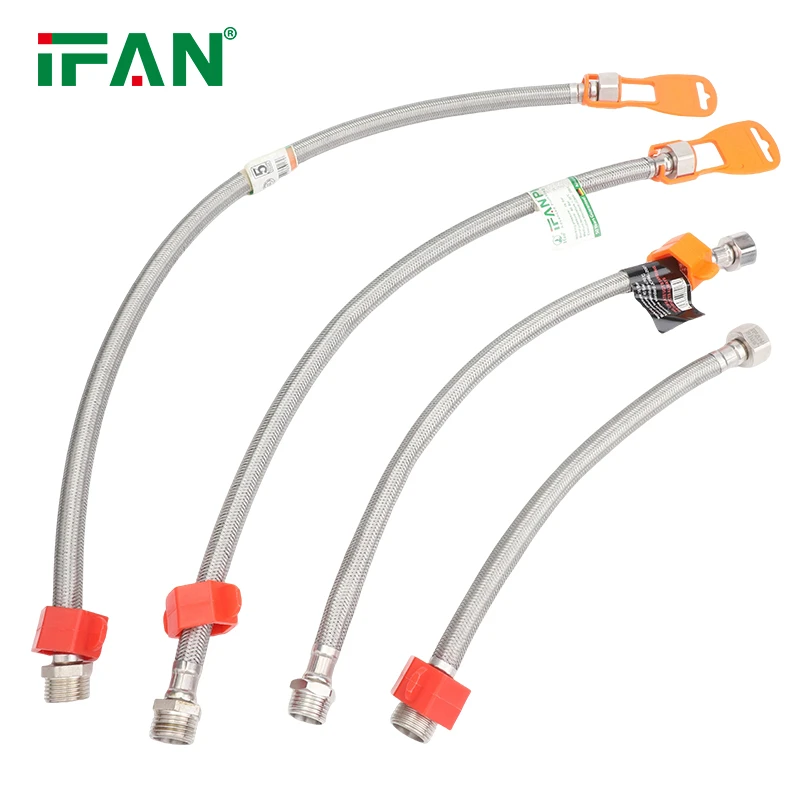
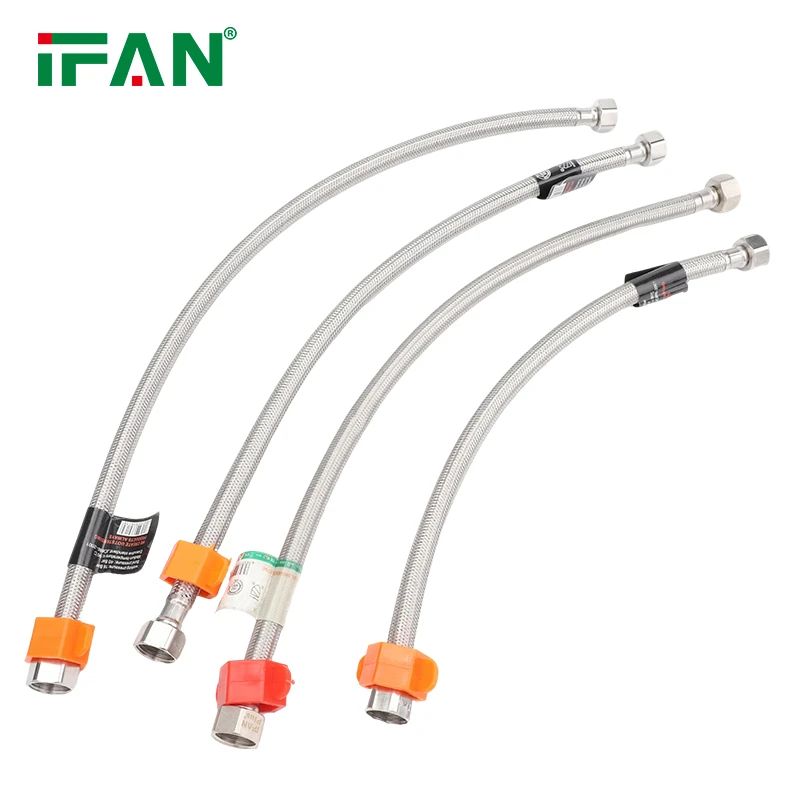
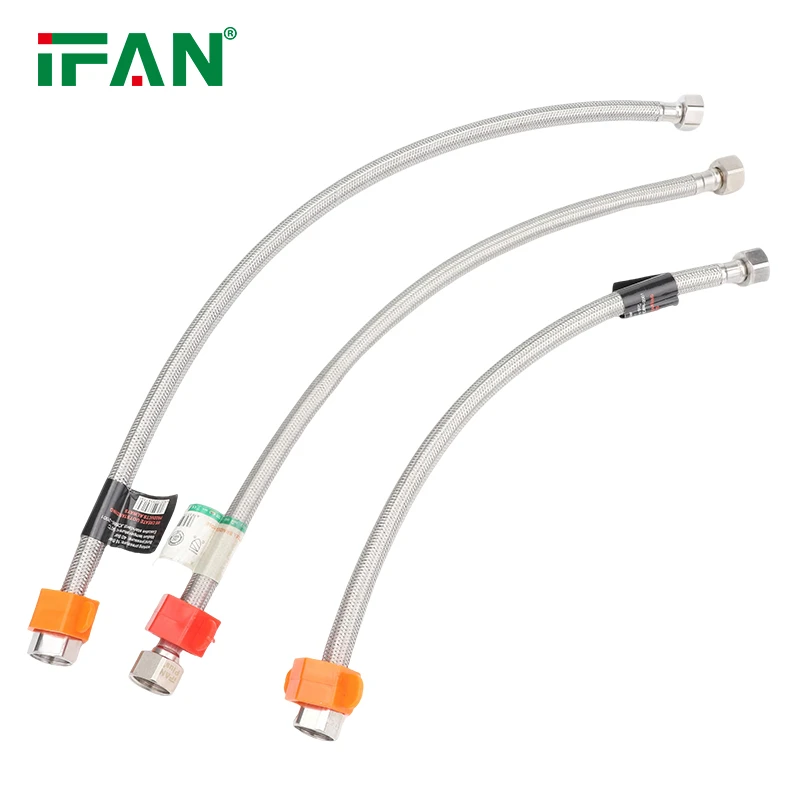
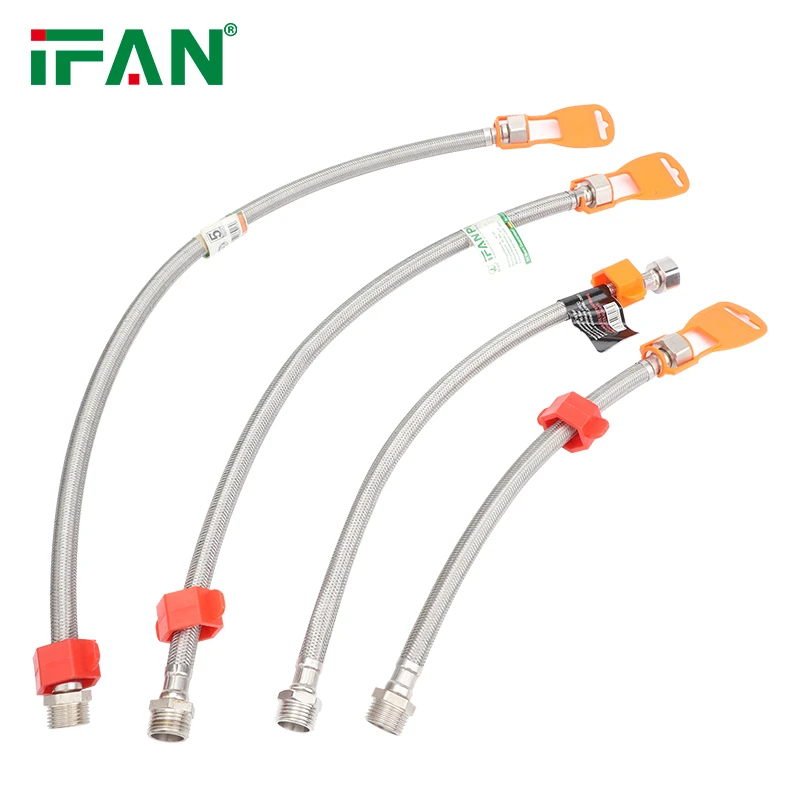
A fuel hose braided is a flexible tube reinforced with a braided outer layer, often made of stainless steel or nylon, designed to transport fuels like gasoline or diesel. The braiding adds strength and protects against abrasion, making it suitable for high-pressure fuel systems.
2. Can I bend a fuel hose braided sharply?
You can bend it, but avoid sharp angles to prevent breakage. Use gentle curves with a bend radius at least three times the hose diameter, and employ bending tools or supports to maintain integrity.
3. How do I fix a broken braided fuel hose?
If the braiding frays or the inner tube cracks, replace the hose entirely for safety. Minor issues like loose fittings can be tightened, but always inspect for fuel leaks before reuse.
4. Are fuel hose braided designs resistant to chemicals?
Yes, many feature inner tubes made of materials like PTFE or rubber compounds that resist fuels and chemicals, ensuring they don’t degrade over time in harsh environments.
5. How long does a fuel hose braided last?
With proper bending and installation, these hoses can last 5–10 years or more, depending on exposure to fuels, temperature fluctuations, and mechanical stress. Regular checks extend their lifespan.
Definition and Features of Braided Hoses in Plumbing Systems
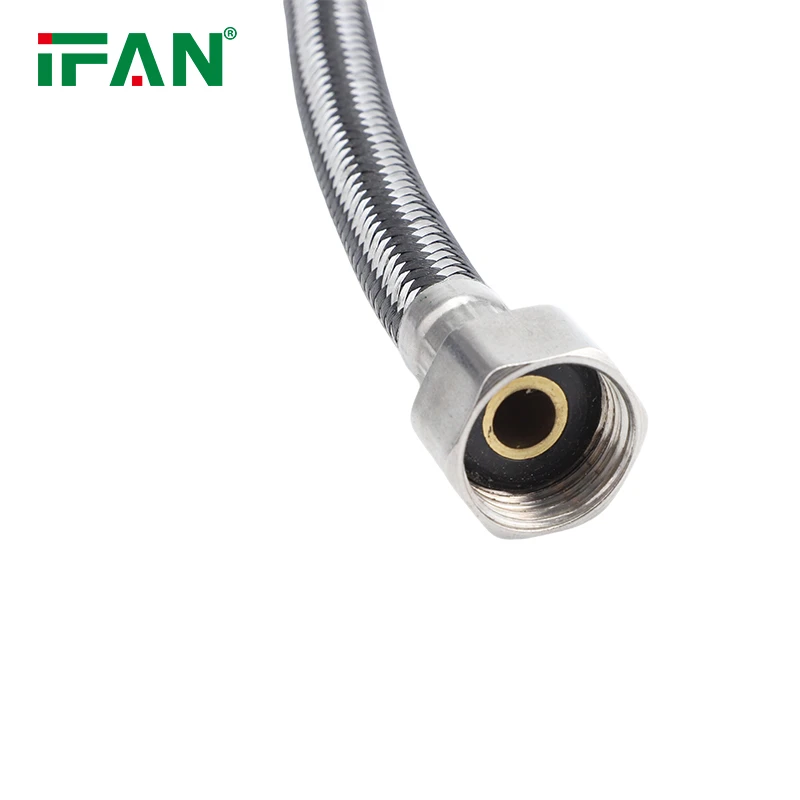
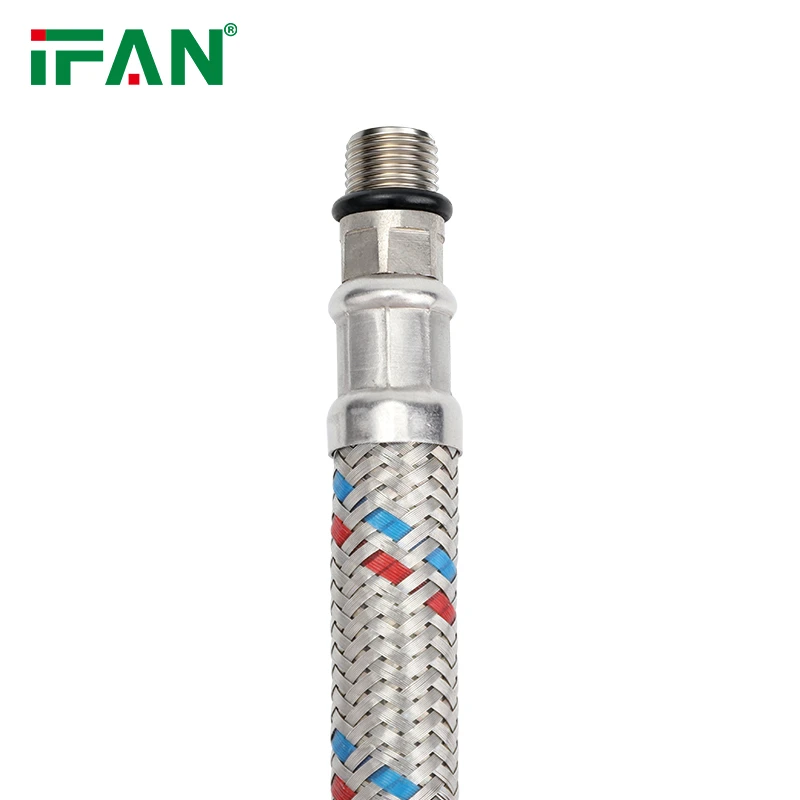
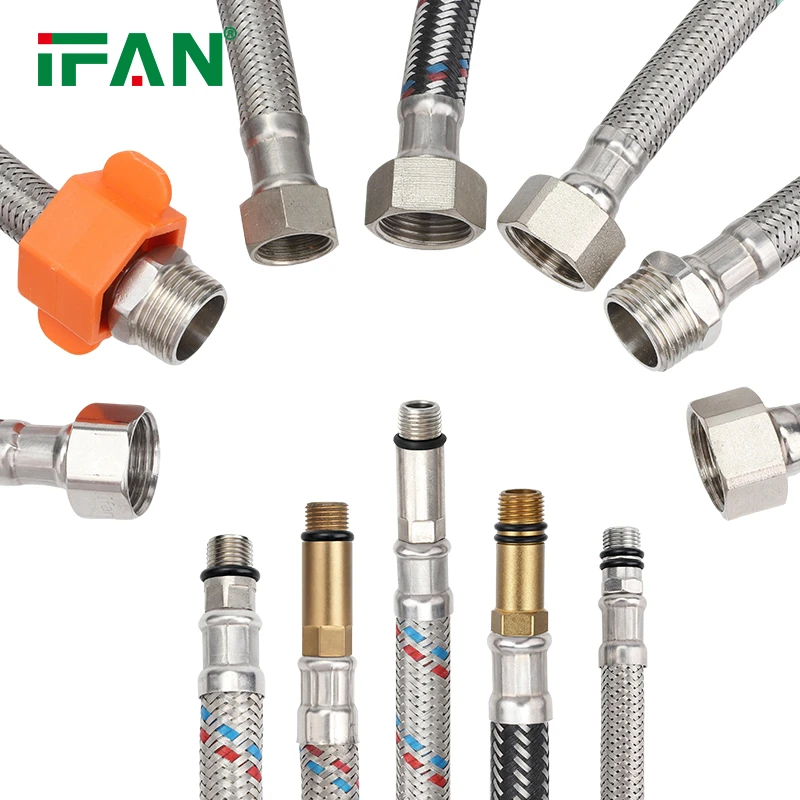
Although the focus here is on fuel applications, braided hoses share similarities with those in plumbing systems, where they connect water lines in bathrooms and kitchens. In plumbing, a braided hose typically features an inner rubber or plastic tube wrapped in stainless steel or polymer braiding. This setup provides flexibility while resisting pressure and corrosion.
Key features in plumbing include:
- Burst resistance: The braiding prevents expansion under pressure, ideal for high-flow areas like showers.
- Corrosion protection: Stainless steel guards against rust in moist environments.
- Ease of installation: Flexible design allows easy routing around fixtures.
- Temperature handling: They manage hot and cold water without cracking.
- Leak prevention: Reinforced fittings ensure tight seals.
These traits make braided hoses reliable in bathroom setups, but the principles apply to fuel hose braided versions, where chemical resistance becomes crucial for safe fuel transfer.
Common Uses and Industry Applications
Fuel hose braided products find extensive use across various sectors due to their robustness and ability to handle volatile fluids. In the automotive industry, they serve as fuel lines connecting tanks to engines, resisting vibration and heat from motors. Mechanics often choose them for custom builds or repairs because they bend without easy breakage.
Beyond cars, these hoses appear in marine applications, where they transport fuel in boats, enduring saltwater corrosion. Industrial machinery uses them for fuel delivery in generators and heavy equipment, ensuring consistent flow under pressure. In aviation, lightweight braided hoses handle aircraft fuel systems, prioritizing safety and flexibility.
Homeowners might use them in small engines like lawnmowers or generators, while racing enthusiasts rely on them for high-performance vehicles. Each application benefits from the hose’s ability to bend smoothly, reducing stress points and preventing failures in critical systems.
Selection Guide for Fuel Hose Braided
Selecting the right fuel hose braided involves evaluating several factors to match your project’s demands. Start with the material: Inner tubes of PTFE or Viton offer excellent fuel resistance, while stainless steel braiding provides durability against abrasion. Nylon braiding suits lighter applications but may not handle extreme pressures.
Consider the color: Black or silver braiding is common, but some manufacturers use colors like red for high-pressure lines or blue for specific fuels, aiding quick identification. Check certifications such as SAE or DOT standards, which ensure the hose meets safety requirements for fuel transport.
Size matters too—measure the inner diameter (e.g., 1/4 inch for small lines) and length to fit without excess bending stress. Look at pressure ratings, typically 300–500 PSI for fuel systems, and temperature ranges up to 300°F. Finally, inspect fittings: AN-style or barbed ends ensure secure connections. By focusing on these elements, you pick a hose that bends reliably without breakage.
Installation Attention Matters
Installing a fuel hose braided correctly is key to avoiding breakage during bending. First, plan your route: Map out the path to minimize sharp turns, aiming for gradual bends. Use a bending tool or mandrel to support the hose internally, preventing kinks as you shape it.
Cut the hose to length with a sharp cutter to avoid fraying the braiding. Clean ends thoroughly before attaching fittings—debris can cause leaks. Apply appropriate clamps or crimps securely, but don’t over-tighten, as this stresses the material.
When bending, heat the hose slightly with a heat gun if it’s stiff, making it more pliable without damaging the inner lining. Secure the hose with clips to prevent vibration-induced wear. After installation, pressure-test the system for leaks, using soapy water to detect bubbles.
Regularly inspect for signs of wear, like cracked braiding or soft spots, and replace if needed. These steps ensure your fuel hose braided performs safely and lasts longer.
Metal Braided Hose Material vs. Other Material Braided Hoses
Here’s a comparison of metal braided hoses (like stainless steel) with other materials to help you choose:
| Feature | Metal Braided Hose (Stainless Steel) | Nylon Braided Hose | Rubber Braided Hose | PTFE Braided Hose |
|---|---|---|---|---|
| Durability | High; withstands abrasion and corrosion | Moderate; flexible but wears faster | Low; prone to cracking over time | High; excellent chemical resistance |
| Pressure Resistance | Excellent (up to 500 PSI or more) | Good (200–400 PSI) | Moderate (100–300 PSI) | Excellent (400–600 PSI) |
| Temperature Range | Wide (up to 400°F) | Moderate (up to 200°F) | Limited (up to 250°F) | Very wide (up to 500°F) |
| Flexibility for Bending | Good; bends well with tools | High; easiest to bend without tools | High; but may kink easily | Moderate; requires careful handling |
| Chemical Resistance | Good; suitable for fuels | Moderate; not ideal for harsh fuels | Poor; degrades with fuels | Excellent; best for aggressive chemicals |
| Cost | Higher; long-term value | Affordable; good for budget projects | Low; short lifespan | High; premium performance |
| Applications | Automotive fuel lines, industrial | Light-duty fuel, hydraulics | General plumbing, low-pressure fuel | High-performance fuel, chemicals |
Metal braided hoses excel in demanding fuel applications, offering a balance of strength and bendability compared to alternatives.
Summary
Mastering the secrets to bending braided hoses without breakage ensures safe and efficient fuel systems in vehicles and machinery. From understanding their features and applications to selecting the right materials and following precise installation tips, you now have the tools for success. Remember, gentle bends, proper tools, and regular checks prevent issues down the line. For top-quality fuel hose braided options, stop by 14241 S Dixie Hwy, Miami, FL 33176, United States, where experts can guide you to the perfect fit. With these practices, your installations stay reliable and breakage-free.
Connect
IFAN is a Chinese manufacturer of plastic pipes, fittings and valves with 30 years of experience. If you are interest in IFAN copper fittings, copper valves, plastic pipes and fittings, please contact us. IFAN offers you a variety of standard pipes to meet your specific needs. Click below to learn more about IFAN’s wide range of affordable and cost-effective valve products and piping system related products.
We will reply your email or fax within 24 hours.
You can call us at any time if there is any question on our production.
For more information,pls visit our webside https://waterpipefitting.com/
Pls Mailto: [email protected]
Whatsapp: + 86 13325756195