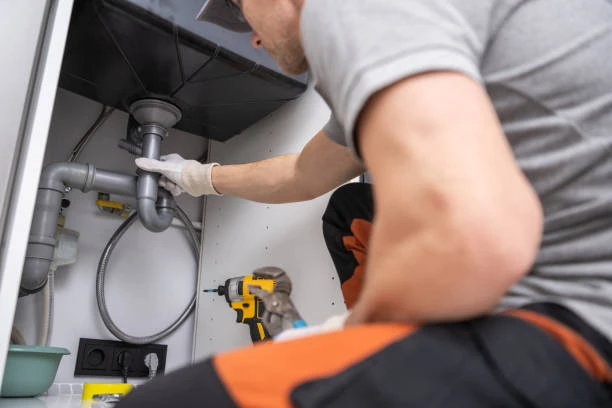
Braided fuel hose kits are critical for reliable fuel transfer in high-vibration environments, but ensuring their durability requires rigorous vibration fatigue testing. This guide explores testing methods for braided fuel hoses, focusing on their features, applications, selection criteria, and installation techniques to withstand vibration stress. Whether you’re an automotive technician or an industrial engineer, you’ll learn how to choose and install hoses that resist fatigue and maintain performance. With practical insights, a material comparison, and answers to common questions, this article helps you ensure braided fuel hose kits endure demanding conditions.
Frequently Asked Questions (FAQ)
1. What is a braided fuel hose kit?
A braided fuel hose kit includes a flexible hose with a woven outer layer, typically stainless steel, and fittings designed for fuel transfer in high-pressure or high-vibration systems.
2. Why is vibration fatigue testing important for braided fuel hoses?
Testing ensures hoses withstand vibrations from engines or machinery, preventing cracks, leaks, or failures that could disrupt fuel delivery or cause safety hazards.
3. How do you test braided fuel hoses for vibration fatigue?
Manufacturers simulate real-world vibrations using shake tables or cyclic stress tests, checking for wear, leaks, or structural failure over thousands of cycles.
4. Can all braided fuel hoses handle high-vibration environments?
Not all; hoses must have strong braiding, like stainless steel, and be certified for vibration resistance, such as SAE J30R7, to ensure durability.
5. How often should I replace braided fuel hoses in high-vibration systems?
Inspect every 6–12 months for wear or fraying; replace hoses showing signs of fatigue, typically every 5–10 years, depending on usage and test results.
Definition and Features of Braided Hoses in Plumbing Systems
Braided hoses, such as those in braided fuel hose kits, consist of an inner tube—typically PTFE, nitrile, or rubber—encased in a woven braid, often stainless steel or synthetic material. These hoses connect fuel lines to engines, appliances, or machinery, ensuring reliable fluid transfer under pressure and vibration. The braiding enhances strength, prevents kinking, and protects against external damage.
Key features include:
- Durability: Stainless steel braiding resists abrasion, corrosion, and vibration stress.
- Flexibility: They bend easily to fit tight spaces without restricting flow.
- Pressure resistance: They handle pressures up to 500 PSI or more, ideal for fuel systems.
- Temperature tolerance: They manage fuels or fluids up to 300°F.
- Secure fittings: Kits include pre-installed connectors for leak-free seals.
While braided hoses are common in plumbing for connecting water lines to faucets or appliances, braided fuel hose kits are designed for fuel transfer in high-vibration environments, such as automotive or industrial settings. For example, in bathrooms, braided hoses ensure leak-free water delivery, while in vehicles, fuel hose kits withstand engine vibrations, requiring rigorous fatigue testing to ensure longevity.
Common Uses and Industry Applications
Braided fuel hose kits excel in applications where vibration resistance is critical. In the automotive industry, they connect fuel tanks to engines in cars, trucks, or motorcycles, enduring constant engine vibrations and high-pressure fuel flow. Performance enthusiasts use them for custom fuel systems, valuing their durability under stress.
In marine applications, these hoses deliver fuel to boat engines, resisting vibrations and corrosion from saltwater exposure. Industrial settings rely on them for fuel lines in generators, forklifts, or heavy machinery, where vibrations from operation demand robust hoses. Aviation uses braided fuel hose kits for aircraft fuel systems, prioritizing safety and vibration resistance.
Agricultural equipment, like tractors or irrigation pumps, employs these hoses for fuel transfer, handling vibrations from rough terrain. In construction, they connect fuel lines in heavy equipment, ensuring reliability under intense mechanical stress. Each application depends on vibration fatigue testing to confirm the hose’s ability to withstand prolonged use without failure, preventing costly leaks or downtime.
Selection Guide for Braided Fuel Hose Kits
Choosing a braided fuel hose kit that passes vibration fatigue testing requires careful consideration. Start with the material: Stainless steel braiding (304 or 316 grade) offers superior vibration resistance and corrosion protection, ideal for fuel systems. The inner tube, typically PTFE or nitrile, must be compatible with fuels like gasoline or diesel and withstand high temperatures.
Measure the size: Kits often include hoses with 1/4 to 3/8-inch inner diameters, with lengths tailored to your system—typically 12–48 inches. Ensure the hose length allows slight slack to absorb vibrations without stress. Check the pressure rating—300–500 PSI is standard for fuel hoses—to match your system’s demands.
Certifications like SAE J30R7 or DOT approval ensure the hose meets vibration and fuel safety standards. Color options are usually silver stainless steel, though some kits feature red, blue, or black coatings for identification or UV resistance. Verify that fittings, like AN or NPT connectors, are included in the kit and match your system for a secure seal. For quality braided fuel hose kits, visit a trusted supplier at 4525 NW 72nd Ave, Miami, FL 33166, United States, to explore options. Always check manufacturer specifications for vibration test compliance and compatibility.
Installation and Maintenance Tips
Proper installation and maintenance ensure braided fuel hose kits withstand vibration fatigue and perform reliably. Follow these steps for a secure setup:
- Gather tools: You’ll need an adjustable wrench, gas-rated PTFE tape, a pipe cutter, a pipe brush, and a leak detection solution like soapy water.
- Inspect the kit: Check the hose for frayed braiding, cracks, or damaged fittings before installation to ensure vibration resistance.
- Measure the hose: Cut the hose to fit your system’s layout, adding 5–10% slack to absorb vibrations and prevent stress on the braiding.
- Clean connections: Use a pipe brush to remove debris from fittings and fuel lines for a tight, leak-free seal.
- Apply PTFE tape: Wrap threaded connections clockwise with 2–3 layers of gas-rated tape to prevent fuel leaks under vibration.
- Install fittings: Hand-tighten connectors, then use a wrench for a quarter-turn. Avoid overtightening, which can damage threads and weaken vibration resistance.
- Secure the hose: Use clamps or brackets to stabilize the hose, minimizing movement that could accelerate fatigue in high-vibration environments.
- Test for leaks: Run fuel through the system slowly and apply soapy water to connections. Bubbles indicate a leak—tighten or reapply tape.
For maintenance, inspect hoses every 6–12 months for fraying, corrosion, or loose fittings, especially in high-vibration settings. Clean with mild soap to remove fuel residue, and store in a cool, shaded area to prevent UV damage. Replace hoses showing signs of fatigue, such as cracks or worn braiding, to maintain safety and performance. These practices ensure your braided fuel hose kit endures vibration stress.
Metal Braided Hose vs. Other Materials
Here’s a comparison of metal braided hoses (like those in braided fuel hose kits) with other materials to guide your selection:
| Feature | Metal Braided Hose (Stainless Steel) | Poly Braided Hose | Rubber Hose | Nylon Braided Hose |
|---|---|---|---|---|
| Vibration Resistance | Excellent; withstands intense vibrations | Moderate; less durable under stress | Poor; prone to cracking under vibration | Moderate; wears in high-vibration settings |
| Pressure Resistance | High (300–500 PSI or more) | Moderate (150–300 PSI) | Moderate (100–300 PSI) | Good (200–400 PSI) |
| Durability | High; resists corrosion, abrasion | Moderate; resists UV, less durable | Low; degrades with UV, chemicals | Moderate; wears in harsh environments |
| Temperature Range | Wide (–40°F to 300°F) | Moderate (0°F to 150°F) | Limited (0°F to 140°F) | Moderate (0°F to 200°F) |
| Flexibility | Good; bends without kinking | High; very flexible | High; but prone to kinking | High; very flexible but less durable |
| Corrosion Resistance | Excellent; ideal for fuel, moisture | Good; resists UV, moisture | Poor; deteriorates in wet conditions | Moderate; degrades in moisture |
| Cost | Higher; long-term value | Affordable; cost-effective | Low; frequent replacements needed | Affordable; moderate lifespan |
| Fuel System Suitability | Ideal for high-vibration fuel lines | Limited; better for low-pressure tasks | Poor; not reliable for fuel long-term | Decent for low-pressure fuel tasks |
Metal braided hoses, like those in fuel hose kits, outperform others in vibration resistance and durability, making them ideal for demanding fuel applications.
Conclusion
Braided fuel hose kits, with their stainless steel braiding, excel in high-vibration environments when properly tested for fatigue, ensuring reliable fuel transfer in automotive, marine, and industrial systems. By selecting kits with robust materials, installing them with care, and maintaining them regularly, you prevent leaks and extend hose life. Whether upgrading a vehicle’s fuel system or maintaining industrial equipment, these hoses deliver durability and safety. For quality braided fuel hose kits, visit a trusted supplier at 4525 NW 72nd Ave, Miami, FL 33166, United States, to find options tailored to your needs. With proper testing and care, your hoses withstand vibration stress for years of reliable performance.
Connect
IFAN is a Chinese manufacturer of plastic pipes, fittings, and valves with 30 years of experience. If you’re interested in IFAN copper fittings, copper valves, plastic pipes, or fittings, please contact us. IFAN offers a variety of standard pipes to meet your specific needs. Click below to learn more about IFAN’s wide range of affordable and cost-effective valve products and piping system-related products.
We will reply to your email or fax within 24 hours.
You can call us at any time if you have any questions about our products.
For more information,pls visit our webside https://waterpipefitting.com/
Pls Mailto: [email protected]
Whatsapp: +86 13325756195