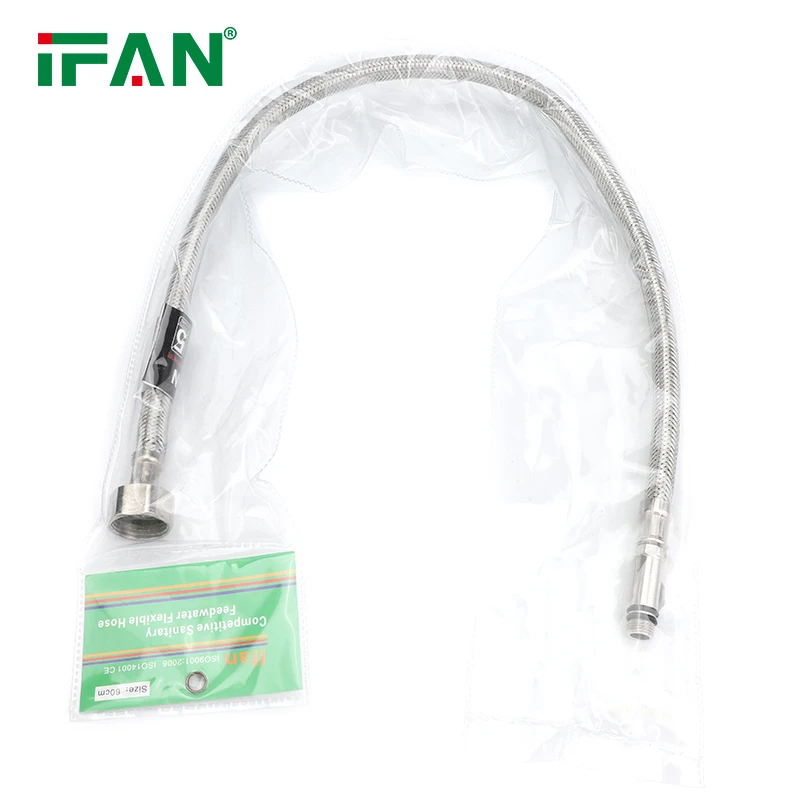
Stainless steel braided hoses stand out for their durability, flexibility, and resistance to high pressure and corrosion. These hoses play a critical role in industries like plumbing, automotive, and industrial systems, where reliable fluid transfer is essential. This article explores the technologies that boost the hydrostatic strength of braided hoses, their applications, and how to choose and install them effectively. From material comparisons to practical tips, we cover everything you need to know about these versatile components, ensuring you make informed decisions for your projects.
Frequently Asked Questions (FAQ)
What are stainless steel braided hoses?
Stainless steel braided hoses consist of a flexible inner tube, often made of rubber or PTFE, wrapped with a stainless steel mesh. This design enhances strength, prevents bursting under high pressure, and resists corrosion, making them ideal for demanding environments.
Why choose stainless steel over other materials for braided hoses?
Stainless steel offers superior durability, corrosion resistance, and temperature tolerance compared to materials like nylon or rubber. It handles high-pressure fluids and harsh chemicals better, ensuring longevity and reliability.
Where are stainless steel braided hoses commonly used?
These hoses serve in plumbing, heating systems, automotive fuel lines, and industrial fluid transfer. Their versatility makes them suitable for both residential and commercial applications.
How do I know if a braided hose is high quality?
Check for certifications like NSF or WRAS, verify the stainless steel grade (e.g., 304 or 316), and inspect the braiding for tight, uniform patterns. High-quality hoses also list pressure and temperature ratings.
Can I install stainless steel braided hoses myself?
Yes, with proper tools and knowledge, DIY installation is possible. However, following manufacturer guidelines and ensuring secure connections are critical to avoid leaks or damage.
Basic Definition and Features of Braided Hoses in Plumbing Systems
Stainless steel braided hoses combine a flexible inner core with an outer layer of woven stainless steel. The inner tube, typically made of EPDM rubber, PVC, or PTFE, carries fluids, while the steel braid reinforces it against pressure and external damage. This construction ensures flexibility without compromising strength, allowing the hose to bend without kinking. Key features include:
- High Hydrostatic Strength: The steel braiding distributes pressure evenly, preventing bursts even at high PSI levels.
- Corrosion Resistance: Stainless steel withstands rust and chemical exposure, ideal for water, oil, or gas transfer.
- Temperature Tolerance: These hoses handle extreme temperatures, from freezing to over 200°F, depending on the inner material.
- Flexibility: The design allows easy routing in tight spaces, perfect for complex plumbing setups.
Manufacturers enhance hydrostatic strength through advanced braiding techniques, such as tighter weaves or double-braiding, which increase pressure resistance. Some hoses also incorporate polymer linings to reduce friction and improve flow efficiency.
Common Uses and Industry Applications
Stainless steel braided hoses shine in diverse applications due to their robustness and adaptability. Here are their primary uses:
- Plumbing and HVAC: They connect water heaters, toilets, and faucets, ensuring leak-free performance under high pressure. In HVAC systems, they handle refrigerants and hot water.
- Automotive: These hoses transport fuel, oil, or coolant in engines, resisting vibration and heat.
- Industrial Systems: Factories use them for hydraulic systems, chemical transfer, and compressed gas lines, where durability is critical.
- Medical and Food Processing: Food-grade stainless steel hoses meet strict hygiene standards for transferring liquids in medical devices or food production.
Their ability to handle high-pressure fluids and resist wear makes them a go-to choice across these industries. For example, in automotive applications, they withstand constant vibration, while in plumbing, they ensure long-term reliability in water supply lines.
Buying Guide: Choosing the Right Stainless Steel Braided Hose
Selecting the right hose requires careful consideration of several factors to ensure performance and safety. Here’s a step-by-step guide:
- Material Quality: Opt for hoses made with 304 or 316 stainless steel. Grade 316 offers better corrosion resistance, especially in marine or chemical environments. Check the inner tube material—PTFE is ideal for high temperatures, while EPDM suits water systems.
- Certifications: Look for NSF, WRAS, or ISO certifications to ensure the hose meets safety and quality standards, especially for potable water.
- Pressure and Temperature Ratings: Verify the hose’s maximum pressure (PSI) and temperature range. For example, a hose rated for 1500 PSI and 200°F suits most plumbing needs.
- Size and Length: Measure the required length and diameter to avoid flow restrictions or installation issues. Standard diameters range from 1/4 inch to 1 inch.
- Color and Finish: While stainless steel has a metallic finish, some hoses come with colored coatings for aesthetic purposes. Ensure the coating doesn’t compromise durability.
- Fittings: Choose hoses with compatible fittings (e.g., NPT or compression) for your system. Brass or stainless steel fittings enhance durability.
- Brand Reputation: Research manufacturers with a track record of quality. Reading reviews or consulting professionals can guide your choice.
Always check the product specifications and match them to your project’s needs. A high-quality hose saves money in the long run by reducing maintenance and replacements.
Installation Tips for Stainless Steel Braided Hoses
Proper installation ensures the hose performs reliably and lasts longer. Follow these tips for a successful setup:
- Inspect Before Installation: Check for defects like loose braiding or damaged fittings. Test the hose with low pressure to confirm no leaks.
- Avoid Over-Bending: Keep bends within the manufacturer’s recommended radius to prevent kinking or weakening the hose.
- Use Proper Tools: Tighten fittings with a wrench, but avoid over-tightening, which can strip threads or crack fittings.
- Secure Connections: Use thread sealant or Teflon tape on threaded connections to prevent leaks. Ensure fittings match the hose and system specifications.
- Check Alignment: Align the hose naturally without twisting, as torsion can weaken the braiding over time.
- Test After Installation: Run the system at operating pressure and inspect for leaks or vibrations. Adjust as needed.
For complex systems, consider hiring a professional to ensure compliance with local codes and standards. Regular inspections after installation help catch issues early.
Material Comparison: Stainless Steel vs. Other Braided Hose Materials
Different materials suit different needs, but stainless steel often outperforms alternatives. Below is a comparison of stainless steel braided hoses against other common materials:
| Feature | Stainless Steel | Nylon | Rubber | PVC |
|---|---|---|---|---|
| Durability | Excellent; resists corrosion and wear | Moderate; prone to UV degradation | Good; but ages faster than steel | Moderate; less durable in harsh conditions |
| Pressure Resistance | High (up to 3000 PSI or more) | Moderate (up to 1000 PSI) | Moderate (up to 1500 PSI) | Low (up to 500 PSI) |
| Temperature Range | Wide (-40°F to 400°F) | Limited (-20°F to 200°F) | Moderate (-20°F to 180°F) | Narrow (0°F to 140°F) |
| Corrosion Resistance | Excellent; ideal for chemicals, water | Poor; degrades with chemicals | Moderate; vulnerable to oils, chemicals | Poor; not suited for harsh chemicals |
| Flexibility | Good; maintains shape under pressure | Excellent; highly flexible | Good; but may kink without braiding | Excellent; but less strong |
| Cost | Higher upfront, but long-lasting | Low; but frequent replacements needed | Moderate; varies by quality | Lowest; but shortest lifespan |
Stainless steel excels in demanding environments, offering unmatched strength and longevity. Nylon and PVC are cheaper but lack the same durability, while rubber falls short in chemical resistance. Choose based on your application’s pressure, temperature, and environmental demands.
Conclusion
Stainless steel braided hoses deliver exceptional hydrostatic strength, flexibility, and durability for a wide range of applications, from plumbing to industrial systems. Their advanced braiding technologies ensure they withstand high pressure and harsh conditions, making them a reliable choice for professionals and homeowners alike. By understanding their features, uses, and installation requirements, you can select the perfect hose for your needs. For high-quality options, visit IFAN’s showroom at 4525 NW 72nd Ave, Miami, FL 33166, United States, to explore a range of durable braided hoses and related products.
Connect
IFAN, a Chinese manufacturer with 30 years of experience, specializes in plastic pipes, fittings, and valves. If you’re interested in IFAN’s copper fittings, copper valves, plastic pipes, or fittings, contact us today. IFAN offers a variety of standard pipes to meet your specific needs. Explore our wide range of affordable and cost-effective valve products and piping system solutions.
We reply to emails or faxes within 24 hours. For any questions about our products, call us anytime.
For more information,pls visit our webside https://waterpipefitting.com/
Pls Mailto: [email protected]
Whatsapp: +86 13325756195