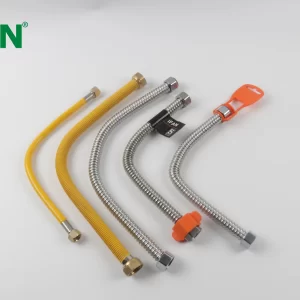
Braided hoses play a vital role in vacuum systems, offering durability, flexibility, and reliable performance under low-pressure conditions. Using a braided hose cutter ensures precise cuts for a perfect fit, enhancing system efficiency. This article explores the applications of braided hoses in vacuum systems, their features, and how to select and install them. It also includes an FAQ section, a material comparison, and installation tips to guide users. Whether you’re working on industrial, automotive, or scientific vacuum systems, understanding braided hoses and the tools like braided hose cutters is essential for optimal results.
FAQ: Common Questions About Braided Hoses in Vacuum Systems
What are braided hoses used for in vacuum systems?
Braided hoses transport gases or maintain vacuum conditions in systems requiring flexibility and strength. Their braided reinforcement, often stainless steel or synthetic fibers, prevents collapse under vacuum pressure.
Why use a braided hose cutter for installation?
A braided hose cutter ensures clean, precise cuts without fraying the braiding or damaging the inner lining, which is crucial for maintaining a leak-free vacuum system.
Are braided hoses suitable for all vacuum systems?
Most braided hoses work in low- to medium-vacuum systems, but compatibility depends on the hose’s material and pressure rating. Check specifications for ultra-high vacuum applications.
How long do braided hoses last in vacuum systems?
High-quality braided hoses can last years with proper maintenance. Regular inspections for wear, such as frayed braiding or cracks, help determine when replacement is needed.
Can I cut braided hoses without a specialized cutter?
While possible, using standard tools risks damaging the hose, leading to leaks or reduced performance. A braided hose cutter is recommended for clean, professional results.
Basic Definition and Features of Braided Hoses
Braided hoses are flexible tubes with a reinforced outer layer, typically made of stainless steel, nylon, or Kevlar, surrounding an inner core of materials like PTFE or rubber. In vacuum systems, they maintain structural integrity under low pressure, preventing collapse while allowing gas or fluid transfer. A braided hose cutter ensures accurate trimming for secure fittings. Key features include:
- Vacuum resistance: The braided layer prevents the hose from collapsing under negative pressure, ensuring consistent performance.
- Flexibility: These hoses bend easily, making them ideal for complex routing in vacuum setups.
- Durability: Braided hoses resist abrasion, corrosion, and chemical degradation, extending their lifespan.
- Customizable fittings: Precise cuts from a braided hose cutter allow for secure, leak-free connections with various fittings.
These properties make braided hoses a reliable choice for vacuum applications.
Common Uses and Industry Applications
Braided hoses serve a wide range of industries in vacuum systems due to their robust design. Common applications include:
- Industrial vacuum systems: Used in manufacturing for processes like vacuum packaging, material handling, and degassing, where braided hoses ensure reliable gas flow.
- Automotive: Found in vehicle vacuum systems, such as brake boosters and emissions control, where flexibility and durability are critical.
- Scientific research: Laboratories use braided hoses in vacuum chambers for experiments requiring precise pressure control, like spectroscopy or material testing.
- HVAC systems: Braided hoses handle refrigerants and maintain vacuum conditions during system installation or maintenance.
- Aerospace: Aircraft vacuum systems rely on these hoses for instrumentation and environmental control, where lightweight yet strong materials are essential.
Their versatility makes braided hoses indispensable across industries requiring vacuum technology.
Buying Guide: Choosing the Right Braided Hose and Cutter
Selecting a braided hose and a braided hose cutter involves evaluating several factors to ensure performance and compatibility. Consider these points:
- Hose material: Stainless steel braided hoses offer durability and corrosion resistance, while nylon or Kevlar options are lighter. PTFE inner linings resist chemical degradation in vacuum systems.
- Color: Some hoses come in colors like black or silver for aesthetic purposes. Ensure the color doesn’t compromise material quality or performance.
- Certifications: Look for hoses meeting standards like ISO 10380 for vacuum applications or SAE standards for automotive use to ensure safety and reliability.
- Hose size: Measure the required diameter and length for your system. Ensure the hose’s vacuum rating matches or exceeds your system’s requirements.
- Cutter quality: Choose a braided hose cutter designed for your hose material (e.g., stainless steel or synthetic). Look for ergonomic designs and sharp blades for clean cuts.
- Fittings compatibility: Verify that the hose ends can be precisely cut to fit your system’s connectors, such as KF or CF flanges for vacuum systems.
Always consult your system’s specifications and the manufacturer’s guidelines before purchasing.
Installation Tips for Braided Hoses in Vacuum Systems
Proper installation, aided by a braided hose cutter, ensures optimal performance and safety. Follow these steps:
- Read manufacturer guidelines: Review the hose and cutter instructions to understand specific requirements for your setup.
- Use a braided hose cutter: Make clean, straight cuts to avoid fraying or damaging the inner lining, which could cause leaks.
- Inspect the hose: Check for defects like frayed braiding or cracks before installation to ensure reliability.
- Prepare fittings: Clean and deburr fitting surfaces to ensure a tight seal during connection.
- Secure connections: Use appropriate clamps or fittings, such as vacuum flanges, and tighten to the manufacturer’s torque specifications to prevent leaks.
- Test the system: Gradually apply vacuum pressure and check for leaks using a vacuum gauge or leak detector.
- Route the hose properly: Avoid sharp bends or contact with abrasive surfaces to prevent wear. Use brackets to secure the hose in place.
If you’re unfamiliar with vacuum system installation, consult a professional to ensure a leak-free setup.
Material Comparison: Metal Braided Hoses vs. Other Materials
The braiding material affects a hose’s performance in vacuum systems. Below is a comparison of stainless steel braided hoses versus nylon and Kevlar:
| Feature | Stainless Steel Braided Hose | Nylon Braided Hose | Kevlar Braided Hose |
|---|---|---|---|
| Durability | Excellent; resists abrasion, corrosion, and vacuum collapse | Moderate; less robust in harsh environments | Very good; strong but less durable than steel |
| Weight | Heavier; less ideal for weight-sensitive applications | Lightweight; suitable for portable systems | Very lightweight; ideal for aerospace or racing |
| Flexibility | Moderately flexible; requires careful routing | Highly flexible; easy to install in tight spaces | Highly flexible; similar to nylon |
| Corrosion Resistance | Superior; ideal for humid or chemical-heavy environments | Moderate; less effective in corrosive settings | Good; better than nylon but not as robust as steel |
| Cost | Higher due to premium materials | Affordable; budget-friendly option | Moderate; more expensive than nylon but cheaper than steel |
| Applications | Industrial, automotive, aerospace, scientific research | Automotive, light industrial, HVAC | Aerospace, scientific research, high-performance systems |
Stainless steel excels in durability and corrosion resistance, while nylon and Kevlar are better for lightweight, flexible applications.
Conclusion
Braided hoses are essential for vacuum systems, offering flexibility, durability, and reliable performance under low pressure. Using a braided hose cutter ensures precise cuts for secure fittings, enhancing system efficiency. By understanding their features, applications, and selection criteria, you can choose the right hose for your needs. Proper installation and material choice further ensure long-term reliability. For high-quality braided hoses and cutters, visit IFAN at 4525 NW 72nd Ave, Miami, FL 33166, United States, to explore durable, certified options tailored to your vacuum system.
Connect
IFAN is a Chinese manufacturer of plastic pipes, fittings, and valves with 30 years of experience. If you are interested in IFAN copper fittings, copper valves, plastic pipes, and fittings, please contact us. IFAN offers a variety of standard pipes to meet your specific needs. Click below to learn more about IFAN’s wide range of affordable and cost-effective valve products and piping system-related products.
We will reply to your email or fax within 24 hours. You can call us at any time if there is any question about our production.
For more information,pls visit our webside https://waterpipefitting.com/
Pls Mailto: [email protected]
Whatsapp: +86 13325756195