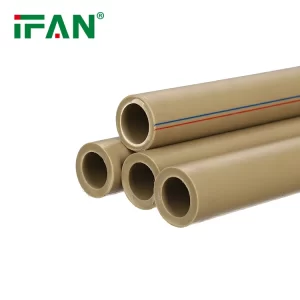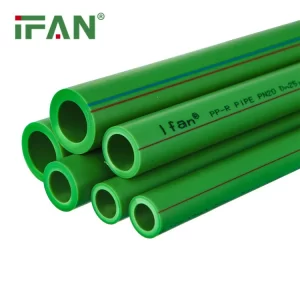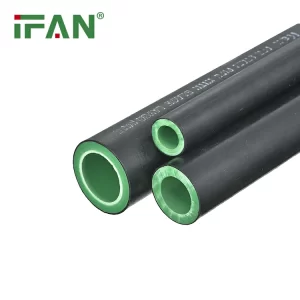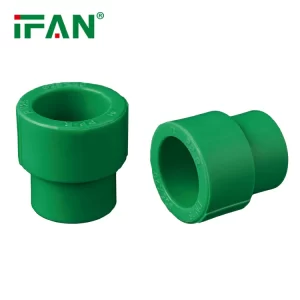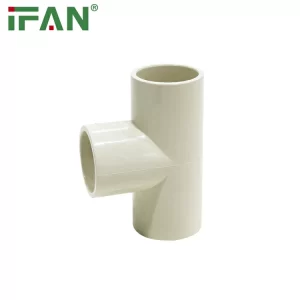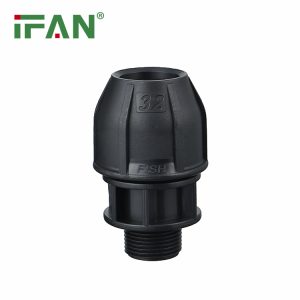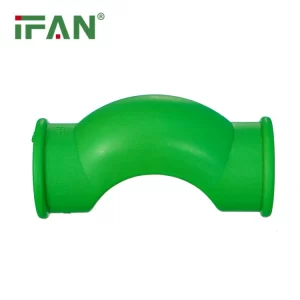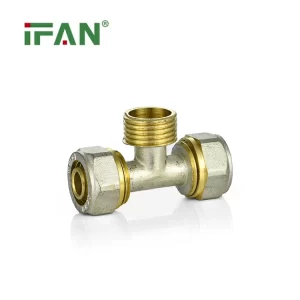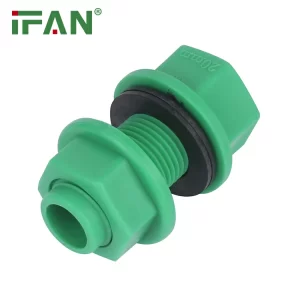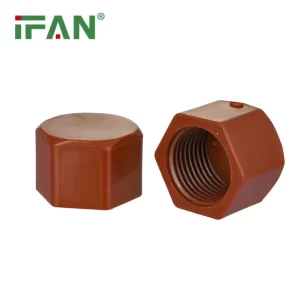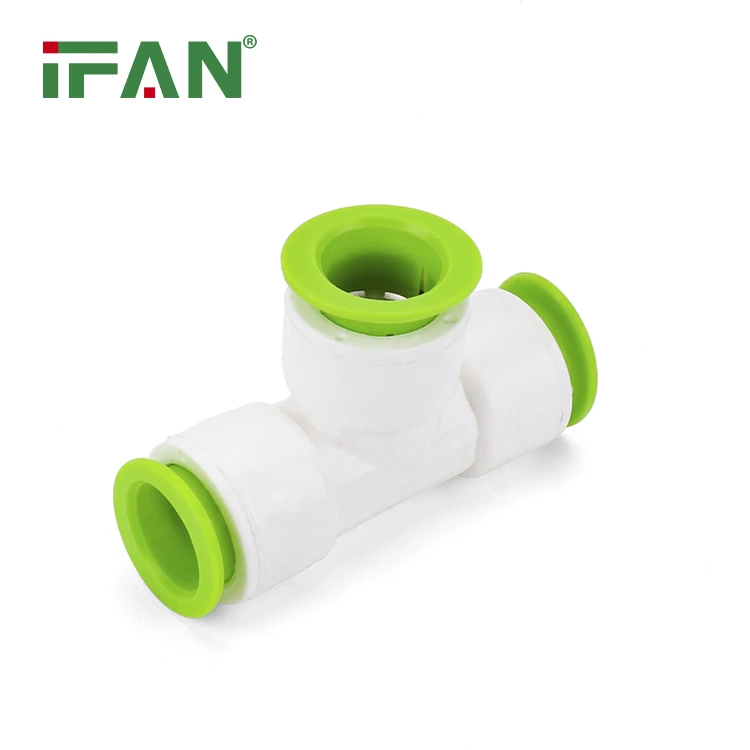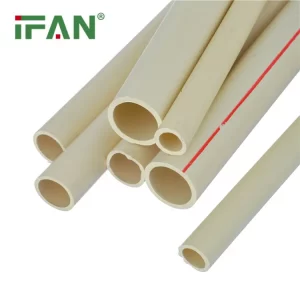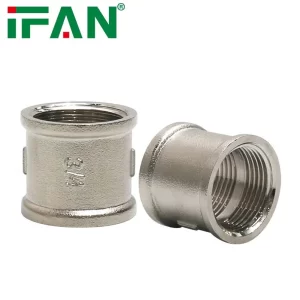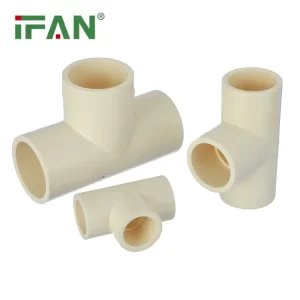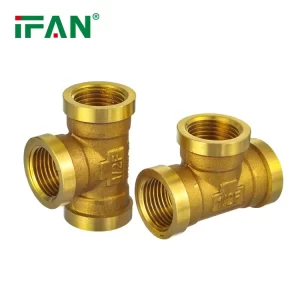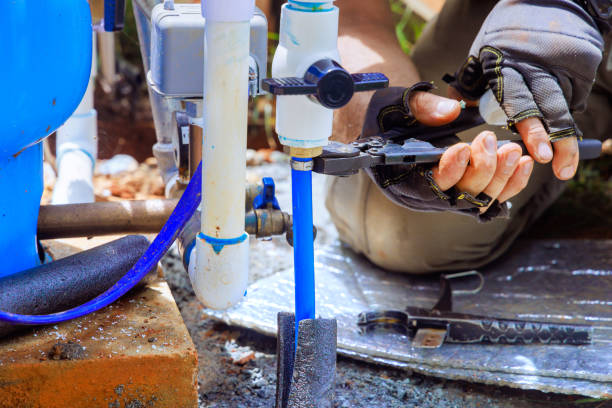
Repairing leaks in brass insert PPR adapters, a key component of PPR connector heater systems, ensures reliable, leak-free plumbing for water supply and heating applications. This guide explores how to fix leaks in these adapters, detailing PPR system features, applications, selection tips, and installation best practices. Whether you’re a homeowner troubleshooting a dripping fitting or a contractor maintaining a commercial system, you’ll learn practical steps to restore your PPR connector heater setup. With clear instructions, a material comparison, and answers to common questions, this article helps you address leaks efficiently and maintain a robust plumbing network.
Frequently Asked Questions (FAQ)
1. What is a brass insert PPR adapter?
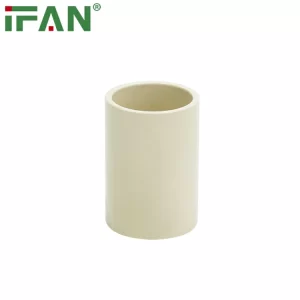
A brass insert PPR adapter is a Polypropylene Random Copolymer fitting with a brass threaded insert, used to connect PPR pipes to threaded fixtures or pipes in water or heating systems.
2. Why do brass insert PPR adapters leak?
Leaks often occur due to improper heat fusion, loose threaded connections, damaged seals, or wear over time, especially in high-pressure or hot water systems.
3. Can I repair a leaking PPR adapter myself?
Yes, with basic tools and techniques like re-fusing or tightening connections, you can fix most leaks, though severe damage may require replacement.
4. How do I prevent leaks in PPR connector heater systems?
Use proper heat fusion techniques, ensure tight threaded connections, and choose high-quality adapters with appropriate PN ratings for your system.
5. Are brass insert PPR adapters suitable for hot water?
Yes, they handle hot water up to 158°F (70°C) for PN20 or PN25 ratings, making them ideal for PPR connector heater applications.
Definition and Features of PPR Piping Systems
PPR piping systems, made from Polypropylene Random Copolymer, are designed for water supply, heating, and cooling, with brass insert PPR adapters serving as critical fittings to connect PPR pipes to threaded components, such as valves or faucets, in connector heater systems. These systems are valued for their durability, corrosion resistance, and ease of installation, making them a top choice for modern plumbing.
Key features include:
- Corrosion resistance: PPR adapters don’t rust or scale, and the brass insert resists corrosion in threaded connections, ensuring clean water delivery.
- Temperature tolerance: They manage temperatures from 32°F (0°C) to 158°F (70°C) for continuous use, ideal for hot water in heating systems.
- Pressure resistance: Adapters support pressures of 10–25 bar, depending on PN ratings (e.g., PN20 for hot water).
- Leak-proof joints: Heat fusion and threaded brass inserts create secure seals, though improper installation can lead to leaks.
- Durability: PPR systems with brass inserts last over 50 years when properly maintained.
Brass insert PPR adapters are essential in PPR connector heater setups, linking pipes to heating elements or fixtures. For example, in a home, a PN20 adapter connects a 25mm PPR pipe to a threaded water heater valve, ensuring reliable hot water flow. Leaks, often due to poor fusion or loose threads, can disrupt performance, but quick repairs restore system integrity.
Common Uses and Industry Applications
Brass insert PPR adapters are widely used in PPR connector heater systems across various sectors due to their versatility and reliability. In residential settings, they connect hot and cold water lines to bathrooms, kitchens, and laundry rooms, linking PPR pipes to threaded faucets, showers, or water heaters. Homeowners rely on their durability for consistent performance in heating and water supply.
In commercial buildings, such as hotels, offices, and restaurants, PPR adapters manage hot water distribution for restrooms, kitchens, and HVAC systems, ensuring secure connections in high-demand environments. In agriculture, they support water supply for irrigation or livestock systems, with brass inserts providing robust threaded joints to pumps or valves, resisting outdoor wear.
Industrial applications include hot water or chemical transfer in manufacturing or cooling systems, where PN20 or PN25 adapters handle moderate pressures and temperatures without corrosion. In schools and hospitals, they deliver clean water for sanitation and drinking fountains, meeting hygiene standards with reliable, leak-free connections. Each application underscores the need for proper installation and maintenance to prevent leaks in PPR connector heater systems.
Selection Guide for Brass Insert PPR Adapters
Choosing high-quality brass insert PPR adapters prevents leaks and ensures a reliable PPR connector heater system. Start with the material: High-quality Polypropylene Random Copolymer paired with corrosion-resistant brass (e.g., CW617N grade) ensures durability and secure threaded connections. Avoid low-grade plastics or brass that may corrode or crack.
Check the PN rating to match your system’s needs:
- PN10: 10 bar, suitable for cold water (up to 104°F/40°C).
- PN16: 16 bar, ideal for cold or warm water (up to 140°F/60°C).
- PN20: 20 bar, designed for hot water (up to 158°F/70°C).
- PN25: 25 bar, for high-pressure hot water or industrial use.
Select the adapter size (e.g., 20mm, 25mm, 32mm) to match your PPR pipe diameter and ensure the brass thread (e.g., 1/2” or 3/4” BSP) is compatible with your fixtures. For hot water in connector heater systems, PN20 or PN25 adapters are recommended to handle elevated temperatures and pressures.
Certifications like ISO 15874, NSF, or WRAS confirm safety for potable water and performance reliability. Color is typically green or white for PPR, with brass inserts in a metallic finish. Inspect adapters for smooth PPR surfaces, secure brass inserts, and no defects. For quality brass insert PPR adapters, visit a trusted supplier at 5580 S Decatur Blvd #114, Las Vegas, NV 89118, to explore certified options. Always verify manufacturer specifications for pressure, temperature, and thread compatibility.
Installation and Maintenance Tips
Proper installation and maintenance of brass insert PPR adapters prevent leaks and ensure a reliable PPR connector heater system. Follow these steps to fix leaks and install correctly:
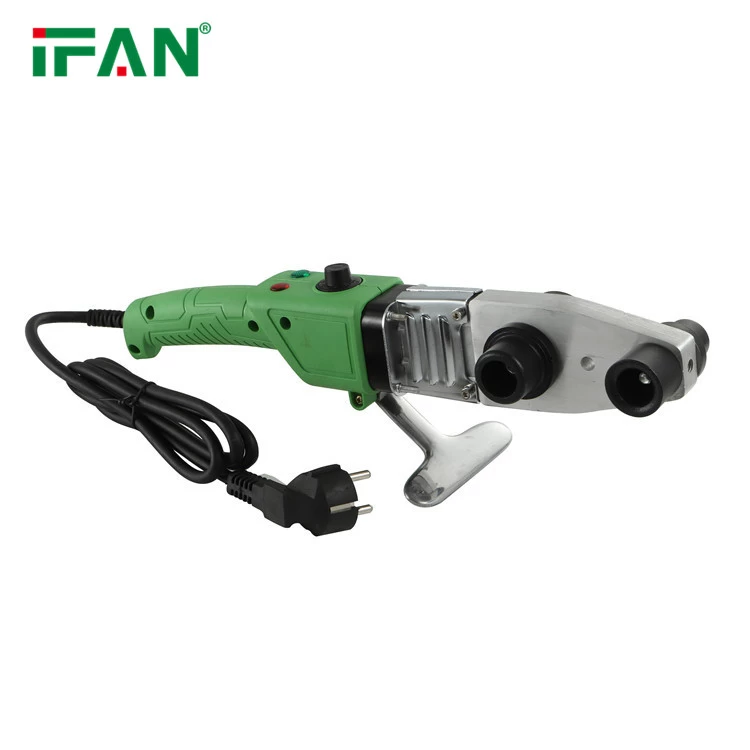
- Gather tools: You’ll need a pipe cutter, heat fusion machine, deburring tool, adjustable wrench, PTFE tape, measuring tape, marker, and cleaning cloth.
- Identify the leak: Check if the leak is at the PPR fusion joint or the brass threaded connection. Common causes include poor fusion or loose threads.
- Fix fusion leaks: Cut out the leaking adapter using a pipe cutter, clean the pipe ends, and re-fuse a new adapter. Heat the pipe and adapter at 260–280°C for 5–8 seconds, then join firmly for 10–15 seconds to cool.
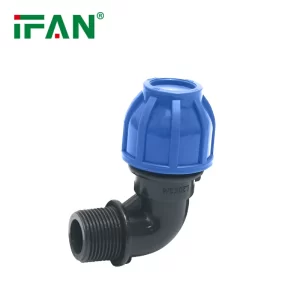
- Fix threaded leaks: Turn off the water, unscrew the threaded connection, clean the threads, and apply 2–3 layers of PTFE tape clockwise. Re-tighten with a wrench, using a quarter-turn past hand-tight.
- Install new adapters: Cut DN20 PPR pipes cleanly, deburr, and clean ends. Fuse the PPR side, then connect the brass thread to the fixture with PTFE tape, ensuring a secure fit.
- Align joints: Ensure pipes and adapters are straight during fusion to avoid weak spots that could leak under pressure.
- Test the system: Run water at operating pressure (e.g., 10–20 bar) and temperature (e.g., 140°F/60°C for PN20), checking for leaks at each adapter.
- Secure pipes: Use clamps to stabilize pipes, reducing stress on adapters, especially in hot water systems.
For maintenance, inspect adapters every 6–12 months for leaks, corrosion, or loose threads, though PPR and brass resist wear. Clean pipes with mild soap, avoiding harsh chemicals. If an adapter is damaged beyond repair, replace it with a matching PN-rated component. These practices keep your PPR connector heater system leak-free and efficient.
PPR Piping Systems vs. Other Materials
Here’s a comparison of PPR piping systems with other materials to guide your selection:
| Feature | PPR Piping System | PVC Piping | Copper Piping | Galvanized Steel |
|---|---|---|---|---|
| Corrosion Resistance | Excellent; no rust or scaling | Good; resists corrosion but not heat | Good; corrodes in acidic water | Poor; prone to rust |
| Installation Ease | Easy; heat fusion and threaded adapters | Easy; solvent welding, but less durable | Moderate; requires soldering | Complex; heavy, requires threading |
| Leak Resistance | Excellent; fusion and brass inserts | Moderate; glue joints can fail | Good; soldering errors cause leaks | Poor; rust and threaded joints leak |
| Temperature Tolerance | Wide (32°F to 158°F continuous) | Limited (up to 140°F) | Wide (up to 400°F) | Wide; rust accelerates with heat |
| Durability | High; lasts 50+ years | Moderate; brittle over time | High; but prone to pinhole leaks | Moderate; rust shortens lifespan |
| Cost | Affordable; low material and labor costs | Very affordable; but frequent repairs | Expensive; high material and labor costs | Moderate; high maintenance costs |
| Pressure Resistance | High (10–25 bar, PN10–PN25) | Moderate (up to 10 bar) | High (up to 40 bar) | Moderate; rust reduces capacity |
PPR piping systems, with brass insert adapters, excel in corrosion resistance, leak prevention, and installation ease, making them ideal for connector heater systems compared to PVC or galvanized steel.
Conclusion
Repairing leaks in brass insert PPR adapters is a quick, effective way to maintain the efficiency of PPR connector heater systems, ensuring reliable hot and cold water delivery. By selecting high-quality adapters, installing them correctly, and addressing leaks promptly, you create a durable, leak-free plumbing network. Whether fixing a home water heater connection or maintaining a commercial system, PPR adapters offer modern reliability. For quality brass insert PPR adapters, visit a trusted supplier at 5580 S Decatur Blvd #114, Las Vegas, NV 89118, to find options tailored to your needs. With proper care, your PPR system will deliver decades of dependable performance.
Connect
IFAN is a Chinese manufacturer of plastic pipes, fittings, and valves with 30 years of experience. If you’re interested in IFAN copper fittings, copper valves, plastic pipes, or fittings, please contact us. IFAN offers a variety of standard pipes to meet your specific needs. Click below to learn more about IFAN’s wide range of affordable and cost-effective valve products and piping system-related products.
We will reply to your email or fax within 24 hours.
You can call us at any time if you have any questions about our products.
For more information,pls visit our webside https://waterpipefitting.com/
Pls Mailto: [email protected]
Whatsapp: +86 13325756195