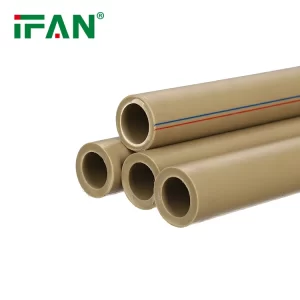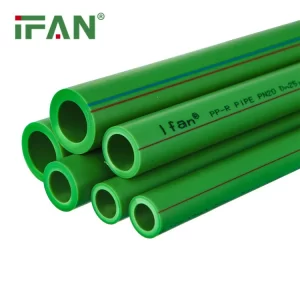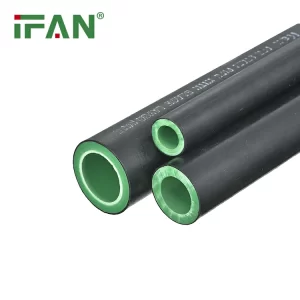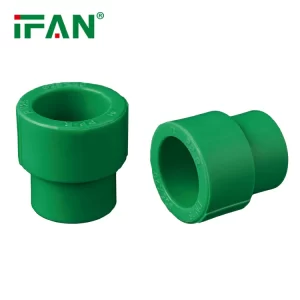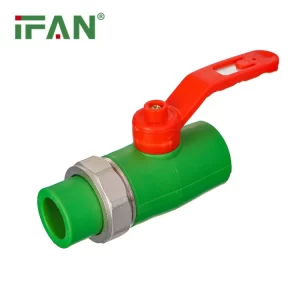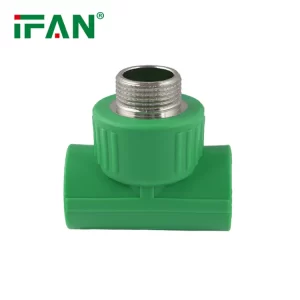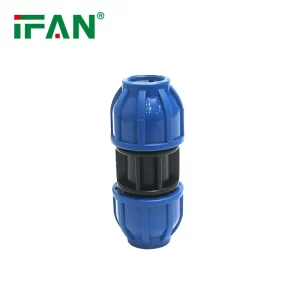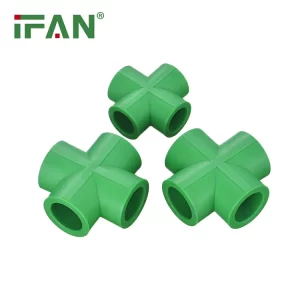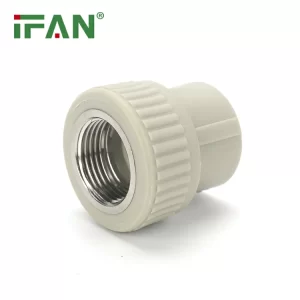
Installing PPR pipes with fittings like the ppr male and female socket is straightforward, cost-effective, and delivers a leak-free system that lasts over 50 years. This beginner-friendly guide walks you through every step—from choosing materials to final pressure testing—so you can confidently complete a professional-quality hot and cold water installation. You will learn essential tools, fusion techniques, common mistakes to avoid, and how to achieve perfect joints every time. Whether you renovate your home or start a new plumbing project, this comprehensive tutorial helps you save money and ensures long-term reliability.
FAQ: Common Questions Beginners Ask About PPR Pipe Installation
Do I need special skills to install PPR pipes?
No, anyone with basic DIY skills can install PPR pipes successfully after practicing a few joints. The process only requires a heating machine and patience.
How long does it take to fuse a PPR male or female socket?
A 20 mm joint takes 5–7 seconds of heating and 10 seconds of cooling. A complete bathroom system usually finishes in 4–6 hours.
Can I reuse PPR fittings after cutting them off?
No, once fused, PPR fittings become permanent. Always plan your layout carefully before welding.
What temperature should the PPR welding machine reach?
Set the machine to exactly 260°C. Too low creates weak joints; too high damages the material.
Is PPR safe for drinking water?
Yes, certified PPR pipes and fittings (NSF/ANSI 61 or equivalent) are completely safe for potable water.
Basic Definition and Features of PPR Pipe Systems
PPR (Polypropylene Random Copolymer) pipes and fittings, including ppr male and female sockets, join through heat fusion to form a single, homogeneous piece of plastic. This fusion process eliminates rubber seals and metal clamps, creating completely leak-proof connections. Key features include:
- Corrosion-free: PPR never rusts or scales, even in hard water areas.
- High temperature resistance: Handles continuous 95°C hot water (PN20/PN25 ratings).
- Low thermal conductivity: Keeps hot water hot and cold water cold with minimal heat loss.
- 50+ year lifespan: Outlasts most traditional piping materials when installed correctly.
- Quiet operation: Smooth inner walls reduce water hammer noise.
These advantages make PPR the top choice for modern plumbing worldwide.
Common Uses and Application Industries
PPR systems serve a wide range of applications:
- Residential plumbing: Supplies hot and cold water to kitchens, bathrooms, and laundry rooms.
- Underfloor heating: Creates efficient, even heat distribution in homes and offices.
- Commercial buildings: Distributes water in hotels, schools, hospitals, and shopping centers.
- Solar water heaters: Connects panels to storage tanks without degradation from UV or heat.
- Industrial facilities: Moves process water and chemicals safely in factories.
Builders and contractors love PPR for its speed of installation and long-term reliability.
Buying Guide: Choosing the Right PPR Pipes and Fittings
Select high-quality materials to ensure your installation succeeds:
- Material quality: Choose 100% virgin PPR Type 3. Avoid recycled material that fails prematurely.
- Pressure rating: Use PN16 for cold water only, PN20 or PN25 for hot water and heating.
- Color coding: Green or white for cold water, white with red/blue stripes for hot water lines.
- Certifications: Look for NSF/ANSI 61, ISO 15874, or DVGW marks for drinking water safety.
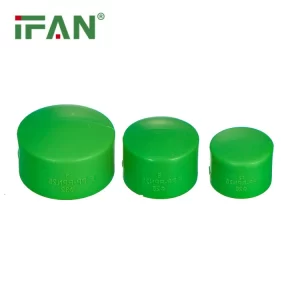
- Fitting types: Stock up on ppr male and female sockets, elbows, tees, reducers, and end caps.
- Brand reputation: Select manufacturers with 10–15 year warranties and proven track records.
Always request pressure test reports (1,000 hours at 95°C) from your supplier.
Step-by-Step Installation Instructions
Follow these steps for perfect PPR pipe installation:
Tools You Need
- PPR welding machine ($50–$150)
- Pipe cutter or PPR scissors
- Measuring tape and marker
- Cleaning alcohol and cloth
- Level and pipe clips
Preparation
- Plan your layout on paper first, measuring all runs accurately.
- Turn off water supply and drain existing pipes if replacing old systems.
- Clean your workspace and organize all fittings.
Cutting and Cleaning
- Cut pipes squarely using PPR scissors for 90-degree ends.
- Mark insertion depth on each pipe end (usually 14–18 mm depending on diameter).
- Clean pipe ends and fitting sockets with alcohol to remove oil and dust.
Heating and Fusion
- Turn on the welding machine and wait until it reaches exactly 260°C (green light).
- Insert pipe and fitting simultaneously onto the heating tools.
- Heat for the correct time:
- 20 mm → 5 seconds
- 25 mm → 7 seconds
- 32 mm → 8 seconds
- 40 mm → 12 seconds
- Remove pipe and fitting together, then immediately push them firmly together.
- Hold perfectly still for 10 seconds while the joint cools and hardens.
Final Steps
- Support pipes every 50–80 cm with proper clips to prevent sagging.
- Wait at least 1 hour before pressure testing.
- Test the system at 1.5 times working pressure (typically 15 bar) for 2 hours.
- Check every joint carefully for leaks before concealing pipes.
Never reheat a joint once it cools—if the alignment is wrong, cut it out and start fresh.
Material Comparison: PPR vs Other Pipe Systems
PPR consistently outperforms traditional materials:
| Feature | PPR System | Copper | PEX | Galvanized Steel |
|---|---|---|---|---|
| Max Temperature | 95°C continuous | 100°C | 82°C | 90°C |
| Installation Speed | Very fast (fusion) | Slow (soldering) | Fast (crimp) | Slow (threading) |
| Corrosion | None | Pitting possible | None | Heavy rust |
| Joint Reliability | 100% leak-proof | Good with skill | Good | Frequent leaks |
| Cost per Meter (25mm) | $0.80–$1.50 | $5–$8 | $0.60–$1.20 | $2–$4 |
| Lifespan | 50+ years | 50+ years | 40–50 years | 20–30 years |
| Best For | All water systems | Visible premium runs | Retrofits | Old systems |
PPR delivers the best balance of cost, performance, and ease of installation.
Conclusion
Mastering PPR pipe installation with ppr male and female sockets gives you the power to create professional plumbing systems quickly and affordably. By choosing certified virgin PPR materials, practicing proper fusion technique at 260°C, and testing thoroughly, you build networks that stay leak-free for decades. Beginners can achieve perfect results on their first try with patience and attention to detail. For the highest-quality PPR pipes, fittings, and welding machines at factory-direct prices, visit IFAN at 5580 S Decatur Blvd #114, Las Vegas, NV 89118, where you’ll find everything needed for successful installations.
Connect
IFAN is a Chinese manufacturer of plastic pipes, fittings and valves with 30 years of experience. If you are interested in IFAN copper fittings, copper valves, plastic pipes and fittings, please contact us. IFAN offers you a variety of standard pipes to meet your specific needs. Click below to learn more about IFAN’s wide range of affordable and cost-effective valve products and piping system related products.
We will reply your email or fax within 24 hours.
You can call us at any time if there is any question on our production.
For more information,pls visit our webside https://waterpipefitting.com/
Pls Mailto: [email protected]
Whatsapp: +86 13325756195