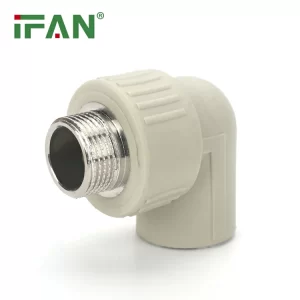
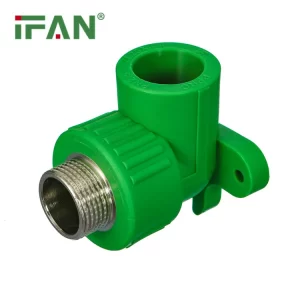
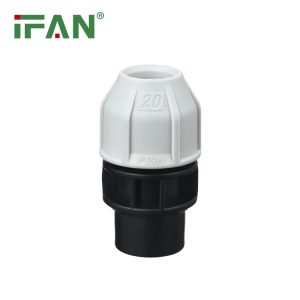
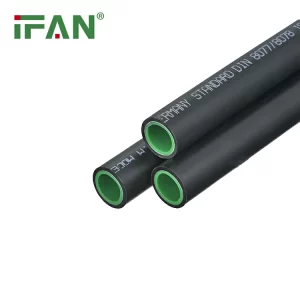
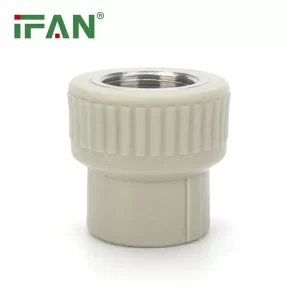
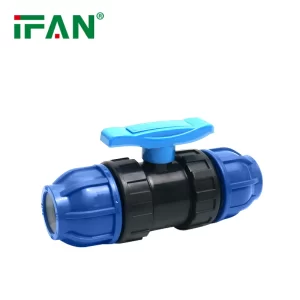
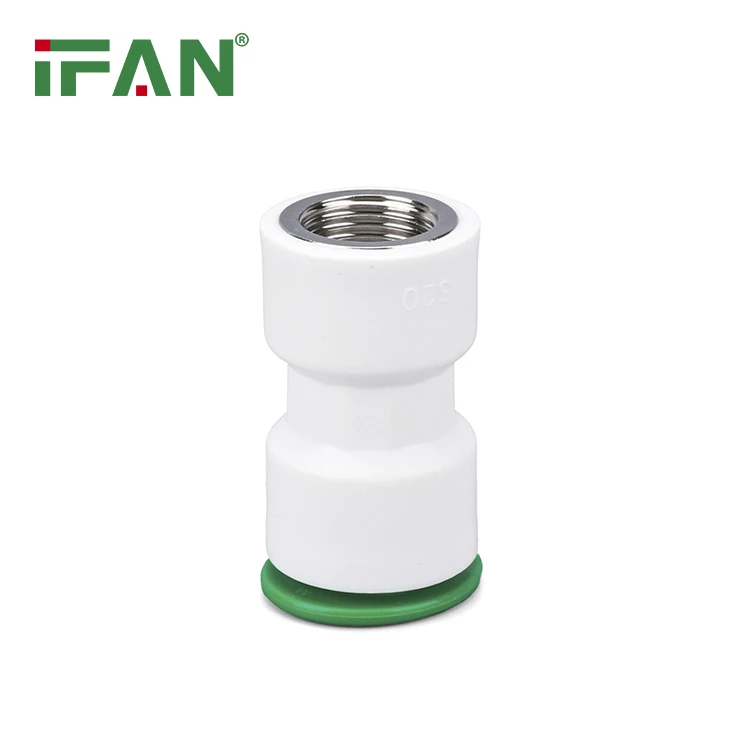
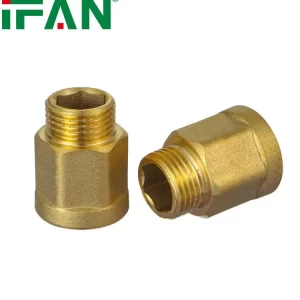
Proper pressure testing of PPR systems using fittings like the ppr male connector guarantees zero leaks and a 50+ year lifespan before you close walls or floors. This comprehensive guide explains every step of professional pressure testing, from preparation to final documentation, so you avoid costly callbacks. You will discover exact test pressures, required holding times, common mistakes, and how to interpret results correctly. Whether you install residential plumbing or large commercial projects, following these proven procedures ensures your PPR installation performs perfectly under real-world conditions.
FAQ: Most Common Questions About PPR Pressure Testing
When should I pressure test a PPR system?
Always test after completing all fusions but before concealing pipes in walls or floors. Test again after backfilling if pipes run underground.
What pressure should I use for testing PPR pipes?
Test at 1.5 times the working pressure (minimum 15 bar / 217 psi for PN20 systems) or follow local building codes if they require higher values.
How long must I hold the test pressure?
Hold pressure for at least 2 hours for standard installations. Many professionals prefer 24 hours for critical systems.
Can temperature changes affect the test results?
Yes, a 10°C temperature rise can increase pressure by 2–3 bar. Perform tests at stable ambient temperature or compensate accordingly.
Do I need to test hot and cold lines separately?
Yes, test cold water lines first, then hot water lines separately after the system fully cools from welding.
Basic Definition and Features of PPR Pipe Systems
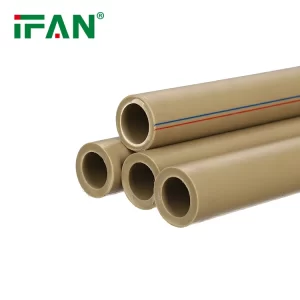
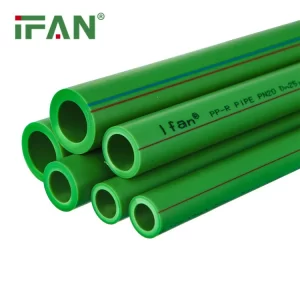
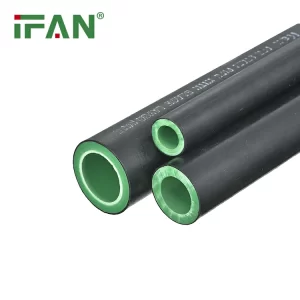
PPR (Polypropylene Random Copolymer) pipes and fittings, including the ppr male connector, create completely homogeneous joints through heat fusion at 260°C. This molecular bonding produces systems stronger than the pipe itself. Key characteristics include:
- Zero leak potential: Fusion joints eliminate rubber gaskets that degrade over time.
- High pressure rating: PN20 handles 20 bar at 20°C, PN25 handles 25 bar.
- Thermal stability: Maintains integrity from -10°C to 95°C continuous operation.
- Chemical resistance: Resists most household chemicals and cleaning agents.
- 50+ year design life: Proven performance in millions of installations worldwide.
These properties make thorough pressure testing essential to verify installation quality.
Common Uses and Application Industries
PPR systems excel in numerous applications:
- Residential buildings: Complete hot and cold water distribution networks.
- Apartment complexes: Riser and branch lines serving hundreds of units.
- Hotels and hospitals: High-demand systems requiring maximum reliability.
- Schools and universities: Safe drinking water and heating distribution.
- Industrial facilities: Process water lines and compressed air systems.
Contractors choose PPR for its fast installation and proven long-term performance.
Buying Guide: Selecting Materials for Reliable Pressure Testing
Choose components that withstand proper testing:
- Virgin PPR only: Never accept recycled material that fails pressure tests prematurely.
- Correct pressure class: Use PN20 minimum for cold water, PN25 for hot water systems.
- Certified products: Require NSF/ANSI 61, ISO 15874, or equivalent certifications.
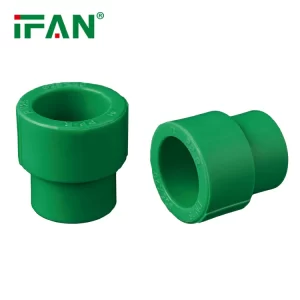
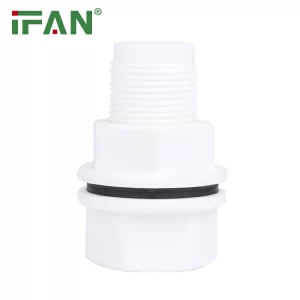
- Quality fittings: Select ppr male connectors and other fittings from the same manufacturer as your pipe.
- Test caps and plugs: Keep proper end caps for pressure testing on hand.
Reputable suppliers provide pressure test certificates with each batch.
Installation Practices That Affect Pressure Testing Success
Follow these practices to ensure your system passes testing:
- Allow full cooling time (minimum 10 minutes) after each fusion before moving pipes.
- Support pipes every 50–80 cm to prevent stress on joints during testing.
- Use proper insertion depth marks to avoid shallow or excessive penetration.
- Clean all welding surfaces with alcohol before fusion to remove contaminants.
- Never test immediately after welding—wait at least 1 hour for complete crystallization.
Poor installation practices cause 95% of pressure test failures.
Material Comparison: PPR vs Other Systems for Pressure Performance
PPR systems handle pressure testing better than alternatives:
| Feature | PPR System | Copper | PEX | PVC/CPVC |
|---|---|---|---|---|
| Test Pressure Tolerance | 30+ bar common | 50+ bar | 12–15 bar max | 15–20 bar |
| Thermal Expansion Effect | Moderate | Low | High | Very high |
| Joint Strength | Stronger than pipe | Depends on solder | Crimp reliability | Glue joint limits |
| Failure Mode | Rare catastrophic | Pin-hole leaks | Fitting separation | Brittle cracking |
| Cost of Testing Equipment | $200–$500 | $300–$800 | $400–$1000 | $150–$400 |
| Time to Test 100m System | 2–3 hours | 4–6 hours | 3–5 hours | 2–4 hours |
| Best For High-Pressure Test | Excellent | Very good | Limited | Moderate |
PPR provides ideal balance of strength and testing ease.
Complete Pressure Testing Procedure
Preparation Phase
- Complete all welding and allow 1-hour minimum cooling time.
- Install test caps on all open ends, using proper PPR end caps or metal threaded caps with ppr male connectors.
- Attach pressure gauge (0–25 bar minimum) and test pump to the system.
- Fill system completely with water, venting all air through highest points.
Testing Phase
- Gradually raise pressure to 5 bar and hold for 30 minutes to check for major leaks.
- Increase to full test pressure (1.5 × working pressure, minimum 15 bar).
- Hold test pressure for 2 hours minimum (24 hours preferred for critical systems).
- Monitor pressure gauge continuously—any drop indicates a leak.
Evaluation and Documentation
- Acceptable pressure drop: maximum 0.2 bar after temperature compensation.
- Locate and repair any leaks, then retest the entire system.
- Record test pressure, duration, temperature, and results on official forms.
- Take photos of pressure gauge readings for documentation.
Common Testing Mistakes to Avoid
- Testing too soon after welding causes false failures.
- Leaving air in the system creates inaccurate readings.
- Ignoring temperature changes during long tests.
- Using damaged or improper test caps.
- Accepting small pressure drops as “normal”—they indicate leaks.
Conclusion
Mastering proper pressure testing procedures for PPR systems with components like the ppr male connector separates professional installations from amateur work. By testing at 1.5 times working pressure for minimum 2 hours (preferably 24 hours), documenting results thoroughly, and using only certified virgin PPR materials, you guarantee leak-free performance for decades. These procedures protect your reputation and prevent expensive callbacks. For the highest-quality PPR pipes, fittings, and testing accessories at factory-direct prices, visit IFAN at 5580 S Decatur Blvd #114, Las Vegas, NV 89118, where you will find everything needed for successful pressure testing and installation.
Connect
IFAN is a Chinese manufacturer of plastic pipes, fittings and valves with 30 years of experience. If you are interested in IFAN copper fittings, copper valves, plastic pipes and fittings, please contact us. IFAN offers you a variety of standard pipes to meet your specific needs. Click below to learn more about IFAN’s wide range of affordable and cost-effective valve products and piping system related products.
We will reply your email or fax within 24 hours.
You can call us at any time if there is any question on our production.
For more information,pls visit our webside https://waterpipefitting.com/
Pls Mailto: [email protected]
Whatsapp: +86 13325756195