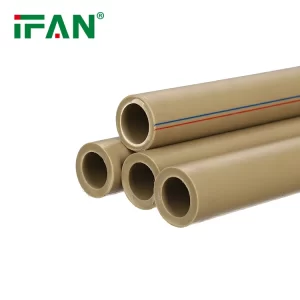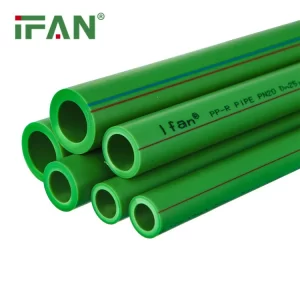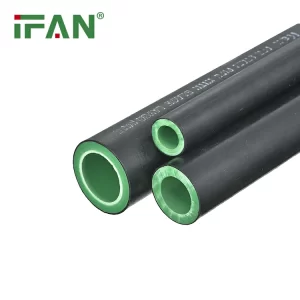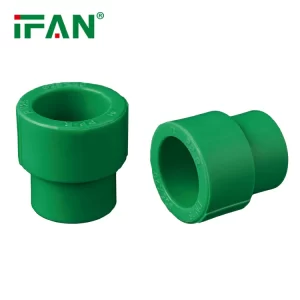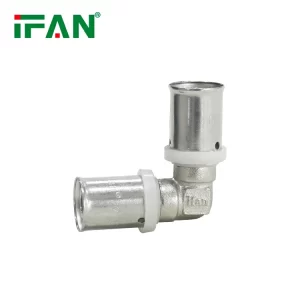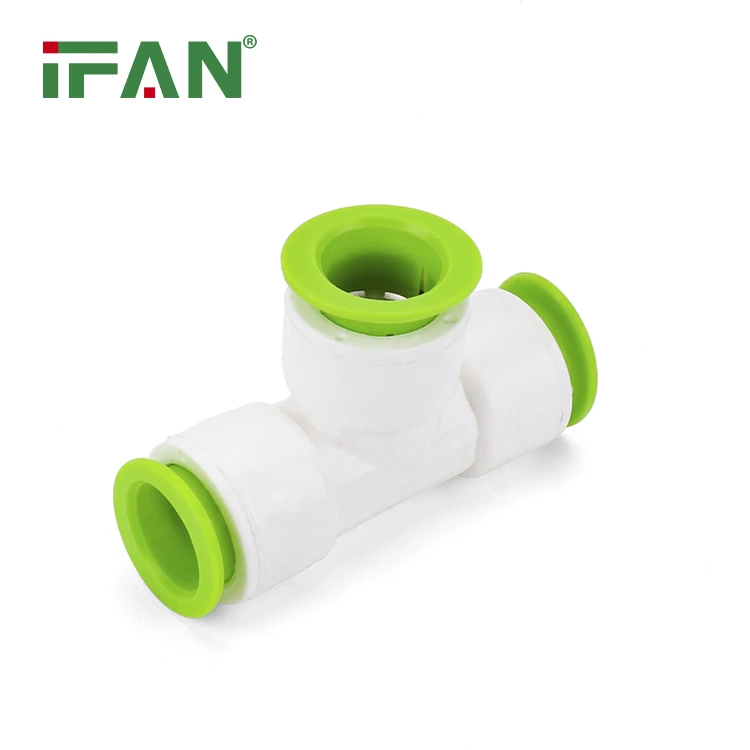
PPR pipes expand and contract with temperature changes, and ignoring this natural movement leads to cracked fittings, leaking joints, or warped walls. Proper management of thermal expansion keeps your ppr pvc fittings system reliable for 50+ years. This guide explains exactly how much PPR expands, shows proven solutions like expansion loops and compensators, and teaches simple installation techniques that prevent damage. You will discover practical tips used by professional plumbers worldwide to create stress-free, long-lasting hot and cold water systems. Whether you install underfloor heating or high-rise plumbing, these solutions ensure your PPR network stays perfect season after season.
FAQ: Common Questions About PPR Thermal Expansion
How much does PPR pipe expand?
PPR expands about 0.15 mm per meter for every 1°C temperature rise. A 10-meter pipe carrying 60°C water can grow 9–10 cm total.
Will thermal expansion damage my PPR fittings?
Only if you restrict movement. Fixed rigid supports without allowance cause stress that cracks ppr pvc fittings over time.
Do I need expansion loops on every installation?
No, short runs under 6 meters rarely need them, but long straight sections over 10 meters always require compensation.
What is the cheapest way to handle PPR expansion?
Use natural offsets, flexible arms, or install pipe clips that allow sliding movement—these cost almost nothing extra.
Can I hide PPR pipes in walls without worrying about expansion?
Yes, if you leave 15–20 mm gaps around pipes and use sleeve tubes or foam insulation to permit free movement.
Basic Definition and Features of PPR Pipe Systems
PPR (Polypropylene Random Copolymer) pipes and fittings join through heat fusion to create a single-piece, leak-proof system for hot and cold water. The material offers excellent properties:
- High thermal expansion coefficient: Expands 6–8 times more than copper when heated.
- Temperature resistance: Handles continuous 95°C (PN20/PN25 ratings).
- Corrosion-free: Never rusts or scales inside.
- Low weight: Makes handling and installation easy.
- 50+ year lifespan: Outperforms most alternatives when expansion is managed correctly.
Understanding these characteristics helps you plan for safe, long-term performance.
Common Uses and Application Industries
PPR systems serve demanding applications worldwide:
- Residential hot water: Supplies kitchens, bathrooms, and washing machines.
- Underfloor heating: Delivers even warmth across large floor areas.
- Solar heating systems: Connects panels to storage tanks without degradation.
- High-rise buildings: Distributes water across dozens of floors.
- District heating: Moves hot water over long distances efficiently.
Proper expansion management becomes critical in all these installations.
Buying Guide: Choosing PPR Pipes and Fittings for Thermal Expansion
Select materials that make expansion control easier:
- Material quality: Choose 100% virgin PPR Type 3 for consistent expansion behavior.
- Pressure rating: Use PN20 or PN25 for hot water systems to handle both pressure and heat.
- Expansion compensators: Stock axial compensators or loop kits for long runs.
- Sliding supports: Buy clips and brackets that allow longitudinal movement.
- Color coding: Green for cold lines, white/red stripe for hot lines to avoid confusion.
- Certifications: Require ISO 15874 and NSF/ANSI 61 marks for quality assurance.
Reputable manufacturers provide expansion calculation tables with their products.
Installation Tips to Manage Thermal Expansion
Follow these proven techniques:
Planning Phase
- Calculate total expansion using the formula: Length × Temperature difference × 0.15 mm/m/°C.
- Design natural offsets or loops every 10–15 meters on straight runs.
- Leave 15–20 mm gaps at wall penetrations and sleeve pipes with foam.
Support and Fixing
- Install fixed points only at branches or heavy components like valves.
- Use sliding clips everywhere else—never glue or tightly screw pipes in place.
- Space supports 80 cm apart for 20–32 mm pipes, 100 cm for larger diameters.
Special Solutions
- Add factory-made expansion loops or U-bends on long horizontal runs.
- Install axial expansion compensators on vertical risers over 10 meters.
- Wrap hot water lines with 9–13 mm foam insulation to reduce heat loss and expansion.
Final Checks
- Test the system at operating temperature and watch for bowing or stress.
- Verify all pipes move freely within their supports.
These simple steps prevent 99% of expansion-related failures.
Material Comparison: PPR vs Other Systems for Thermal Expansion
| Feature | PPR System | Copper | PEX | PVC |
|---|---|---|---|---|
| Expansion Rate (mm/m/°C) | 0.15 | 0.017 | 0.20 | 0.07 |
| Natural Flexibility | Low | Medium | Very High | Very Low |
| Compensation Needed | Yes (loops/clips) | Rarely | Minimal | Yes (bellows) |
| Movement Tolerance | Requires planning | Forgiving | Very forgiving | Brittle if stressed |
| Cost of Expansion Parts | $5–$20 per solution | Almost zero | Almost zero | $10–$50 |
| Best For Long Runs | With proper design | Excellent | Excellent | Poor |
PPR requires more planning than metal but costs far less overall.
Practical Thermal Expansion Solutions
Solution 1: Natural Offsets
Create gentle 90-degree bends every 10–12 meters. These “arms” absorb movement without special parts.
Solution 2: Expansion Loops
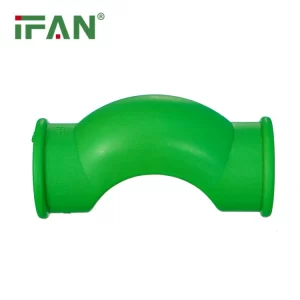
Form a U-shape with four 90-degree elbows. Each loop handles about 30–40 cm of expansion.
Solution 3: Axial Compensators
Factory-made bellows units install inline and absorb up to 60 mm of movement per unit.
Solution 4: Sliding Supports
Use two-part clips where the base stays fixed but the top piece lets the pipe slide freely.
Solution 5: Flexible Connections
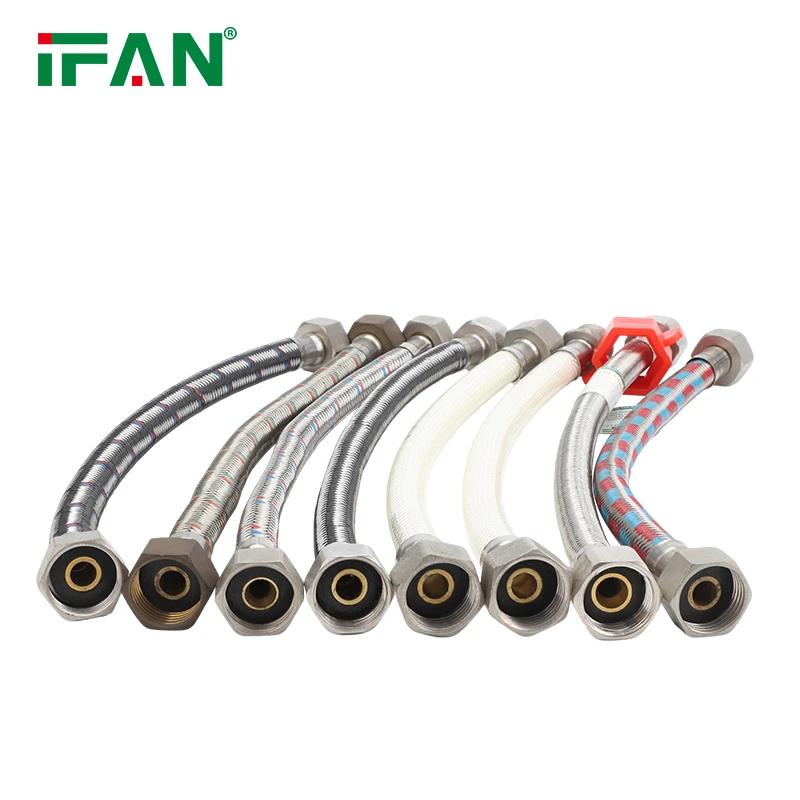
Connect appliances with flexible stainless hoses that absorb all movement at the end point.
Professional installers combine several methods for perfect results.
Conclusion
Managing thermal expansion in PPR pipe systems with ppr pvc fittings is simple when you understand the material and follow proven techniques. By planning offsets, using sliding supports, adding compensators where needed, and never restricting pipe movement, you create systems that stay beautiful and leak-free for decades. These solutions cost pennies compared to repair bills from cracked walls or burst fittings. For the highest-quality PPR pipes, expansion accessories, and expert technical support, visit IFAN at 5580 S Decatur Blvd #114, Las Vegas, NV 89118—your trusted partner for stress-free plumbing installations.
Connect
IFAN is a Chinese manufacturer of plastic pipes, fittings and valves with 30 years of experience. If you are interested in IFAN copper fittings, copper valves, plastic pipes and fittings, please contact us. IFAN offers you a variety of standard pipes to meet your specific needs. Click below to learn more about IFAN’s wide range of affordable and cost-effective valve products and piping system related products.
We will reply your email or fax within 24 hours.
You can call us at any time if there is any question on our production.
For more information,pls visit our webside https://waterpipefitting.com/
Pls Mailto: [email protected]
Whatsapp: +86 13325756195