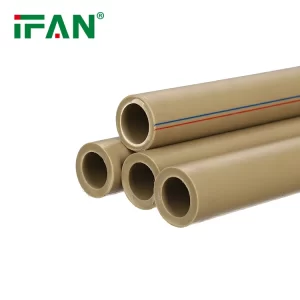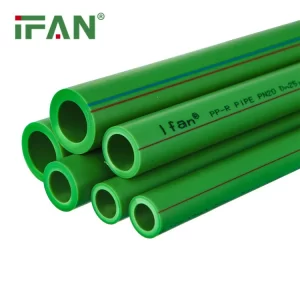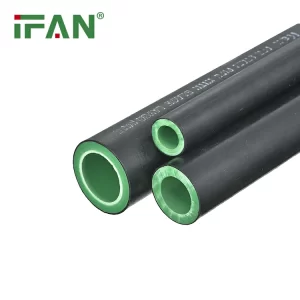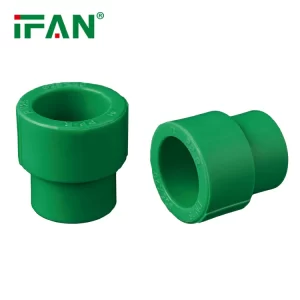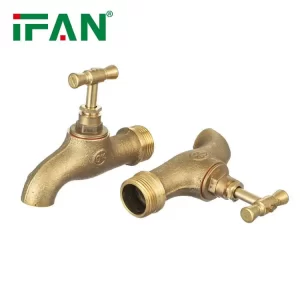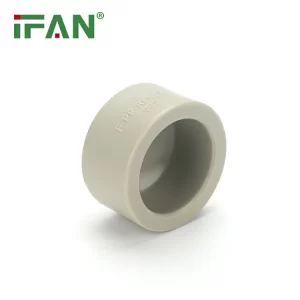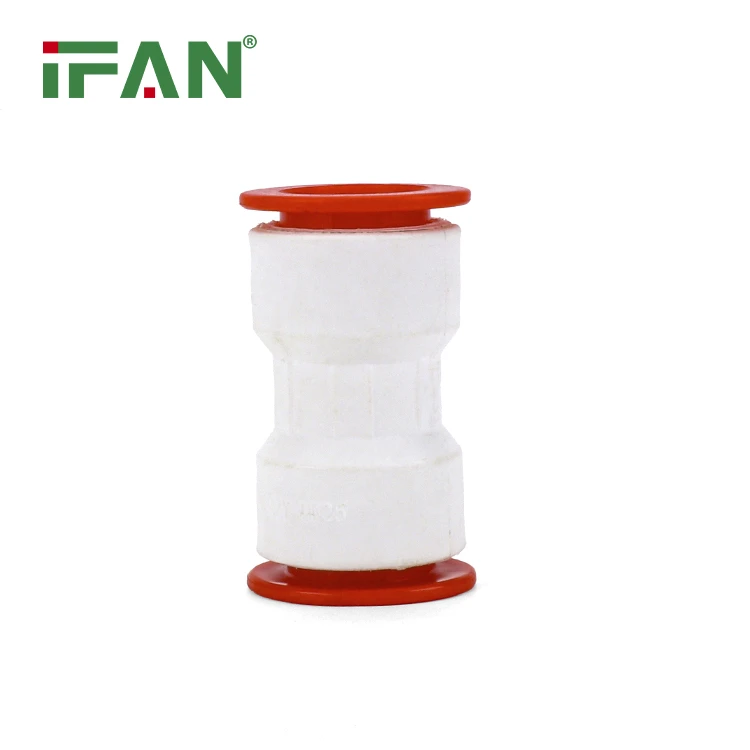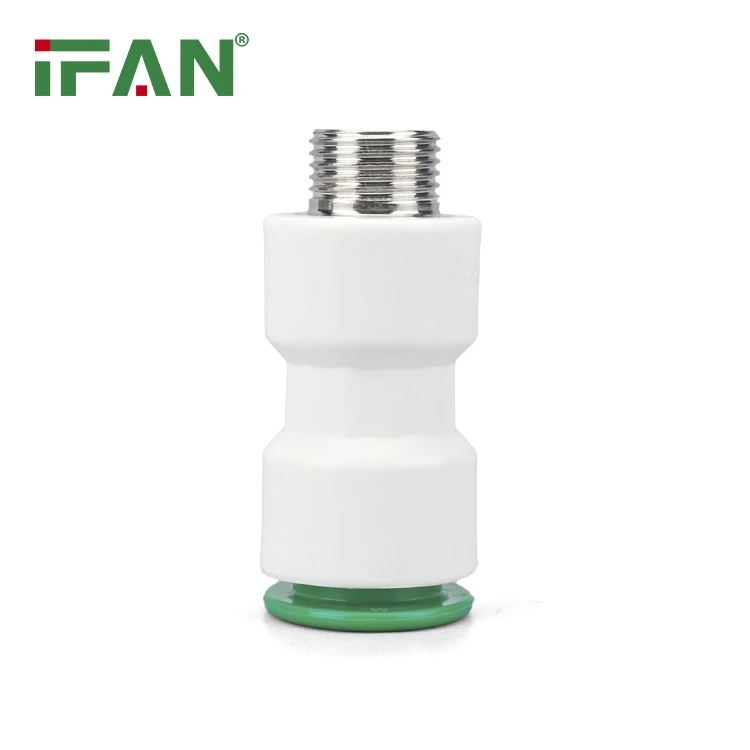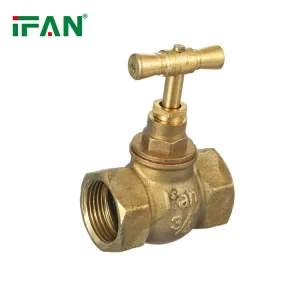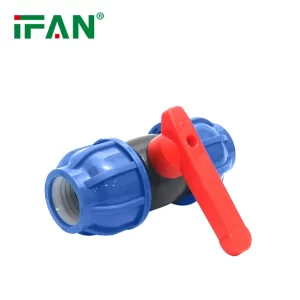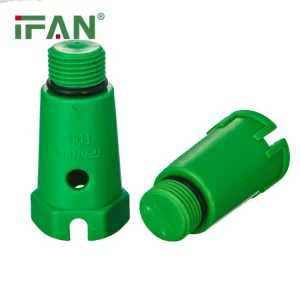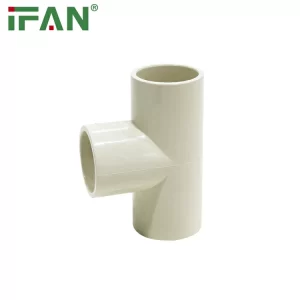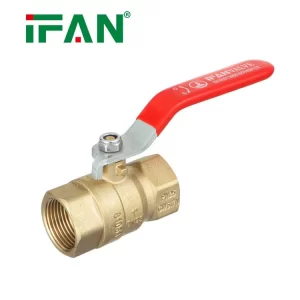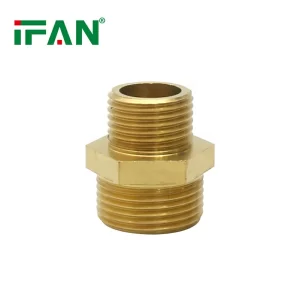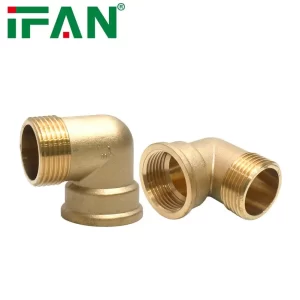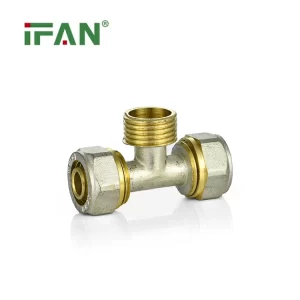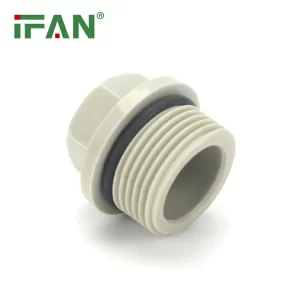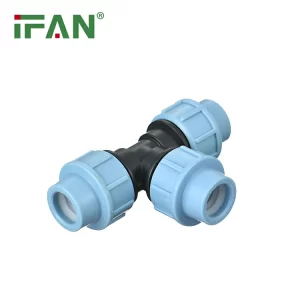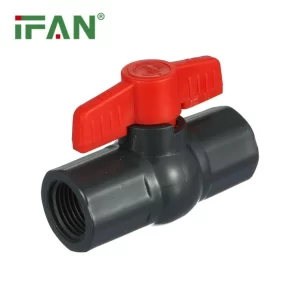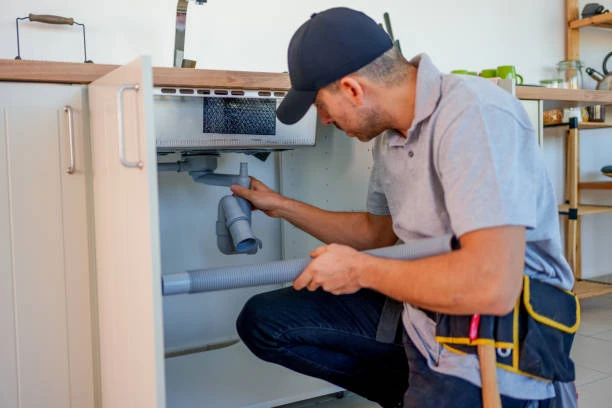
Connecting PPR plastic pipes to existing copper lines using a reliable ppr to cpvc connector (or more accurately, PPR-to-copper transition fitting) lets you combine the best of both worlds: the corrosion-free durability of PPR with the proven strength of copper. This complete guide shows you exactly how to create 100% leak-proof transitions that last decades, even under high pressure and temperature swings. You will discover the right fittings, step-by-step installation methods, and professional tricks that prevent galvanic corrosion and thermal stress failures. Whether you extend a copper system with modern PPR or replace damaged sections, these techniques deliver flawless results every time.
FAQ: Common Questions About PPR to Copper Connections
Can I directly join PPR pipe to copper without a special connector?
No. Direct fusion fails and threaded connections leak within months. You must use a dedicated PPR-to-copper transition fitting.
Will PPR and copper cause galvanic corrosion when connected?
Only if you use the wrong connector. Quality ppr to cpvc connector style fittings include a brass or bronze insert with dielectric separation that prevents corrosion.
How strong is a PPR-to-copper joint?
Properly installed transition fittings achieve full system pressure rating (PN25 = 362 psi at 68°F) with zero leaks for 50+ years.
Do I need Teflon tape on the copper thread side?
Yes. Always wrap the male copper threads with 3–4 layers of high-quality PTFE tape plus pipe dope for guaranteed sealing.
Can these connectors handle hot water?
Absolutely. Certified fittings work continuously at 95°C (203°F) and withstand short-term peaks to 110°C.
Basic Definition and Features of PPR Pipe Systems
PPR (Polypropylene Random Copolymer) pipes fuse together at 260°C to form a homogeneous, leak-proof system. Key advantages include:
- Zero corrosion in hard or aggressive water
- 50+ year lifespan with proper installation
- Excellent hot water performance up to 95°C continuous
- Lightweight and fast to install
- Smooth interior that never scales
When you need to tie into existing copper plumbing, special transition fittings make the connection seamless and permanent.
Common Uses and Application Industries
PPR-to-copper transitions appear everywhere:
- Home renovations — extending copper lines with modern PPR
- Boiler connections — linking copper heat exchangers to PPR distribution
- Water heater upgrades — replacing old galvanized with PPR while keeping copper stubs
- Commercial retrofits — updating aging copper systems section by section
- Solar and heat pump installations — joining copper collectors to PPR storage lines
These connections give you the flexibility to modernize without complete replacement.
Buying Guide: Choosing the Right PPR to Copper Connector
Select transition fittings with these critical features:
- Material quality: 100% virgin PPR on the plastic side, DZR brass or bronze on the metal side
- Dielectric separation: Built-in plastic liner that prevents direct copper-PPR contact
- Thread standard: NPT or BSP threads that match your copper system
- Pressure rating: Minimum PN25 (362 psi at room temperature)
- Certifications: NSF/ANSI 61 for drinking water, ISO 15874 compliance
- Sizes available: 1/2″, 3/4″, 1″ most common — stock all three
Reputable brands provide torque specifications and installation videos.
Step-by-Step Installation Process
Tools You Need
- PPR welding machine with correct dies
- Pipe cutter and copper tube cutter
- Deburring tool and sand cloth
- PTFE tape and pipe dope
- Two adjustable wrenches
Installation Steps
- Turn off water and drain the copper line completely
- Cut copper pipe squarely and deburr thoroughly
- Clean copper end with sand cloth until shiny
- Apply 3–4 wraps of PTFE tape to male threads (clockwise)
- Add a thin layer of pipe dope over the tape
- Hand-thread the ppr to cpvc connector onto copper — snug but not tight
- Use two wrenches: hold the brass hex, tighten 1/2 to 3/4 turn past hand-tight
- Mark insertion depth on PPR pipe (usually 15–18 mm)
- Heat pipe and fitting socket to exactly 260°C
- Join immediately and hold perfectly still for 10 seconds
- Allow 30 minutes cooling before pressure testing
Never overtighten brass threads — you’ll crack the plastic body.
Professional Tips for Perfect Connections
- Always support the copper side independently — never let it hang from the transition fitting
- Leave 1–2 mm gap between pipe end and internal stop for thermal expansion
- Use sliding supports on the PPR side to allow movement
- Install a dielectric union if connecting to very old copper (pre-1980s) as extra protection
- Pressure test at 1.5× working pressure for 2 hours minimum
These small details prevent 99% of all transition failures.
Material Comparison: PPR vs Copper Systems
| Feature | PPR System | Copper System | PPR + Copper Hybrid |
|---|---|---|---|
| Corrosion Resistance | Excellent | Good (pitting risk) | Excellent |
| Installation Speed | Very fast | Slow (soldering) | Fast after transition |
| Cost (materials + labor) | Low | High | Medium |
| Thermal Expansion | High (managed) | Very low | Managed at connector |
| Hot Water Performance | 95°C continuous | 100°C+ | Full system rating |
| Repair Difficulty | Cut and re-fuse | Re-solder | Easy at transition |
The hybrid approach gives you copper’s reliability where you need it and PPR’s economy everywhere else.
Common Mistakes to Avoid
- Using regular brass adapters without dielectric separation → galvanic corrosion in 2–5 years
- Overtightening threads → cracked plastic bodies
- Poor copper preparation → leaking threads within weeks
- Insufficient support → stress fractures at the transition
- Skipping pressure testing → hidden leaks discovered too late
Conclusion
Creating seamless PPR-to-copper connections with quality ppr to cpvc connector style transition fittings lets you modernize plumbing systems confidently and cost-effectively. By choosing certified fittings with dielectric protection, following precise installation steps, and supporting both materials properly, you build hybrid systems that combine copper’s proven performance with PPR’s corrosion-free future. Professional plumbers and savvy homeowners trust these techniques for leak-free results that last generations. Get all the transition fittings, tools, and expert guidance you need at IFAN located at 5580 S Decatur Blvd #114, Las Vegas, NV 89118—your trusted partner for perfect PPR-copper integrations.
Connect
IFAN is a Chinese manufacturer of plastic pipes, fittings and valves with 30 years of experience. If you are interested in IFAN copper fittings, copper valves, plastic pipes and fittings, please contact us. IFAN offers you a variety of standard pipes to meet your specific needs. Click below to learn more about IFAN’s wide range of affordable and cost-effective valve products and piping system related products.
We will reply your email or fax within 24 hours.
You can call us at any time if there is any question on our production.
For more information,pls visit our webside https://waterpipefitting.com/
Pls Mailto: [email protected]
Whatsapp: +86 13325756195