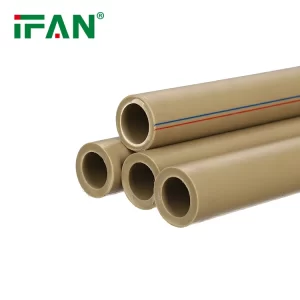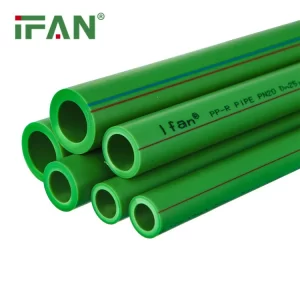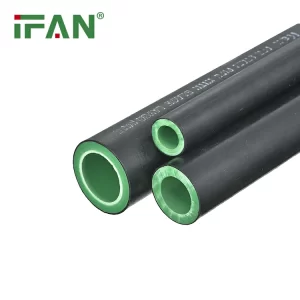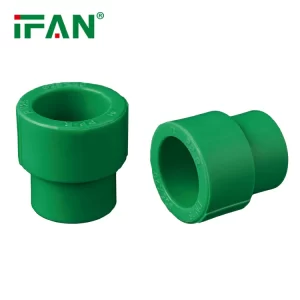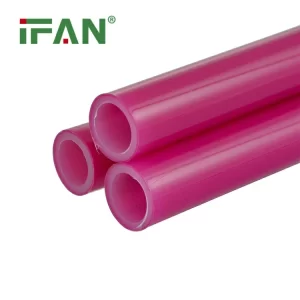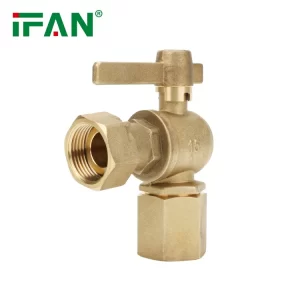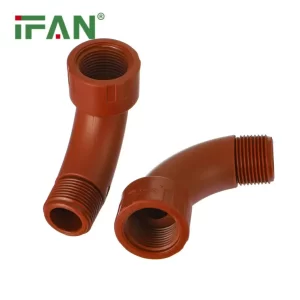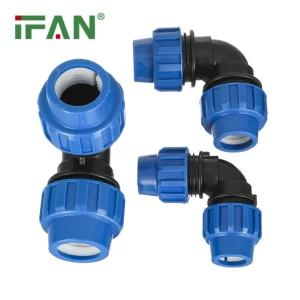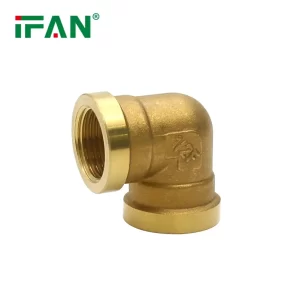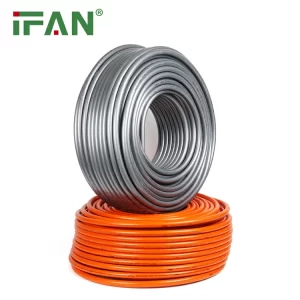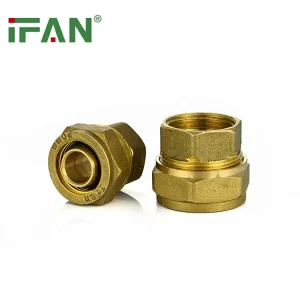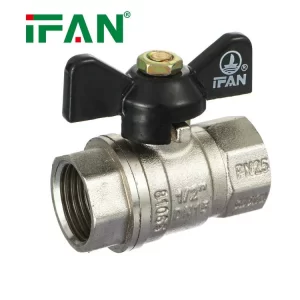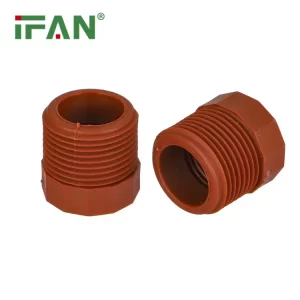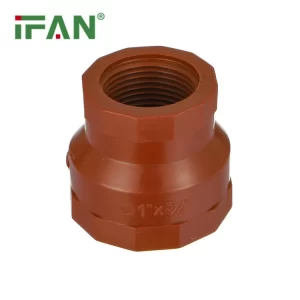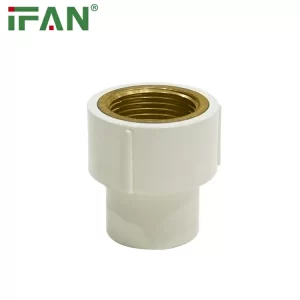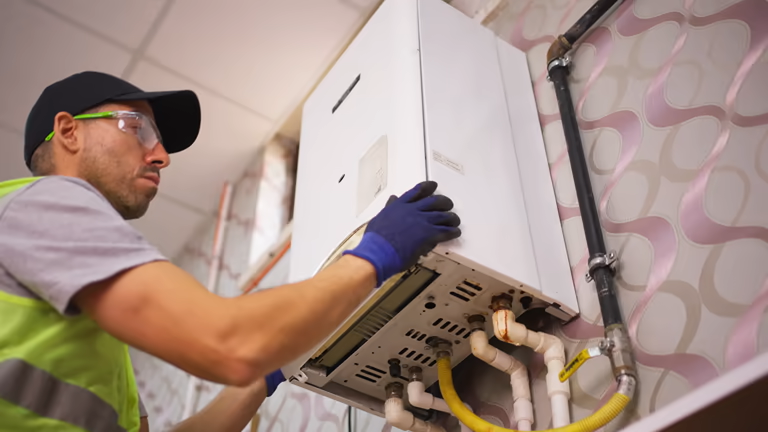
DIY PPR plumbing with reliable ppr to pvc connection methods lets you install professional-grade hot and cold water systems at half the cost of hiring a plumber. This complete beginner-to-expert guide shares the exact techniques, tools, and insider tricks that thousands of homeowners use to achieve perfect, leak-free results on their first try. You will learn how to choose materials, cut and fuse pipes correctly, make safe transitions to PVC or copper, and avoid the ten most common mistakes that ruin DIY projects. Follow these proven steps and you’ll finish bathrooms, kitchens, and whole-house repipes faster, cheaper, and better than many professionals.
FAQ: Most Common DIY PPR Plumbing Questions
Can a complete beginner install PPR pipes successfully?
Yes. After 10–15 practice joints on scrap pipe, most people create perfect fusions on their first real project.
How do I connect PPR to existing PVC pipes?
Use dedicated PPR-to-PVC transition fittings or ppr to pvc connection with rubber gaskets and stainless steel clamps — never glue PPR directly to PVC.
How much does a full DIY PPR bathroom cost?
Materials for a typical bathroom (hot + cold lines) cost $180–$350 versus $1,200–$2,500 for professional installation.
Do I need an expensive welding machine?
No. A good 800W–1000W machine with temperature control costs $60–$120 and lasts for decades.
How long do DIY PPR installations last?
Exactly the same as professional ones — 50+ years — when you follow correct fusion technique.
What Is PPR and Why DIY Plumbers Love It
PPR (Polypropylene Random Copolymer) pipes and fittings join through heat fusion at 260°C to become one solid piece of plastic — stronger than the pipe itself. Key advantages include:
- No leaks ever at joints when fused correctly
- Handles 95°C hot water continuously (PN25 rating)
- Never corrodes, scales, or affects water taste
- Cuts with scissors and weighs almost nothing
- Costs 60–70% less than copper
These features make PPR the number-one choice for DIY plumbing worldwide.
Where DIY PPR Plumbing Shines
Homeowners successfully use PPR for:
- Complete bathroom and kitchen renovations
- Whole-house water line replacement
- Underfloor heating installations
- Outdoor hose bibs and irrigation tie-ins
- Water heater and boiler connections
- Adding new fixtures without tearing out walls
You can finish most projects in a single weekend.
Buying Guide: Choose the Right Materials for DIY Success
Must-Have Items
- 100% virgin PPR Type-3 pipe (never recycled)
- PN20 (cold water) or PN25 (hot water) rating
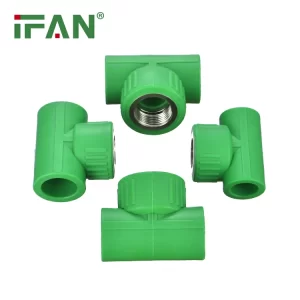
- Full set of fittings: couplings, elbows, tees, reducers
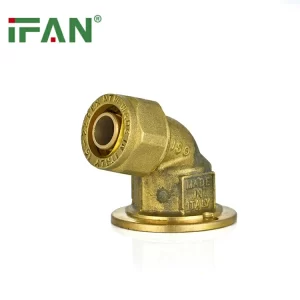
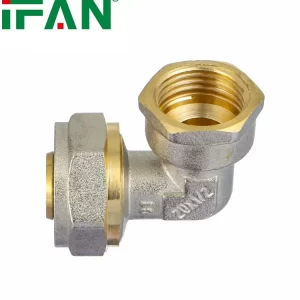
- PPR to PVC connection transition fittings for existing lines
- Male/female threaded adaptors for faucets and valves
- Pipe clips and sliding supports
Quality Checks
- Look for NSF/ANSI 61 drinking water certification
- Choose green pipe for cold, white/red stripe for hot
- Buy from suppliers who provide free welding instructions
Step-by-Step DIY Installation Tips
Tools You Actually Need
- PPR welding machine ($60–$120)
- Sharp PPR pipe scissors
- Measuring tape, marker, level
- Cleaning alcohol and rag
- Two adjustable wrenches
Pro Techniques That Guarantee Success
- Practice 15 joints on scrap before starting real work
- Cut pipe perfectly square — crooked cuts cause leaks
- Clean every pipe end and socket with alcohol
- Heat exactly 260°C — use the machine’s thermostat, not guesswork
- Count heating seconds precisely:
- 20 mm → 5 seconds
- 25 mm → 7 seconds
- 32 mm → 8 seconds
- Join immediately and hold dead still for 10 seconds
- Wait 5 minutes before moving the joint
- Support pipes every 80 cm with proper clips
Making Safe PPR to PVC Connections
- Use only factory-made transition fittings
- Hand-tighten plus 1/2 turn with wrench
- Never use PVC cement on PPR — it dissolves the plastic
- Add stainless steel clamps for extra security
Final Testing
- Pressure test at 10–12 bar for 2 hours minimum
- Check every joint with soapy water while pressurized
Material Comparison: PPR vs Traditional Options for DIY
| Feature | PPR DIY | Copper DIY | PEX DIY | PVC/CPVC DIY |
|---|---|---|---|---|
| Skill Required | Medium (learnable) | High (soldering) | Low | Low |
| Tool Cost | $80–$150 | $200–$400 | $100–$250 | $30–$80 |
| Installation Speed | Very fast | Slow | Fast | Medium |
| Leak Risk | Almost zero | High if skill low | Low | Medium |
| Hot Water Safe | Yes (95°C) | Yes | Limited (82°C) | CPVC only |
| Material Cost | Lowest | Highest | Low | Very low |
| Best For DIY | Whole projects | Small repairs | Retrofits | Drainage only |
PPR wins for most home plumbing projects.
Top 10 DIY Mistakes and How to Avoid Them
- Wrong temperature → weak joints
- Moving joint while cooling → leaks in weeks
- Poor cutting → oval joints that fail
- Reusing fittings → impossible and dangerous
- No pressure test → hidden leaks damage walls
- Overtightening threaded adaptors → cracked plastic
- Mixing brands → different melting points
- Forgetting expansion gaps → bowed walls
- Poor support → sagging pipes
- Rushing → all of the above
Take your time to do it right the first time.
Conclusion
DIY PPR plumbing with proper ppr to pvc connection techniques gives you professional results at budget prices. Master the simple fusion process, choose quality virgin materials, practice on scraps, and follow pressure testing protocols — then watch your plumbing system perform flawlessly for decades. Thousands of homeowners have already saved thousands of dollars while gaining complete control over their water systems. You can achieve the same results starting this weekend. Get every tool, fitting, and expert advice you need at IFAN located at 5580 S Decatur Blvd #114, Las Vegas, NV 89118 — your trusted partner for successful DIY PPR projects from start to finish.
Connect
IFAN is a Chinese manufacturer of plastic pipes, fittings and valves with 30 years of experience. If you are interested in IFAN copper fittings, copper valves, plastic pipes and fittings, please contact us. IFAN offers you a variety of standard pipes to meet your specific needs. Click below to learn more about IFAN’s wide range of affordable and cost-effective valve products and piping system related products.
We will reply your email or fax within 24 hours.
You can call us at any time if there is any question on our production.
For more information,pls visit our webside https://waterpipefitting.com/
Pls Mailto: [email protected]
Whatsapp: +86 13325756195