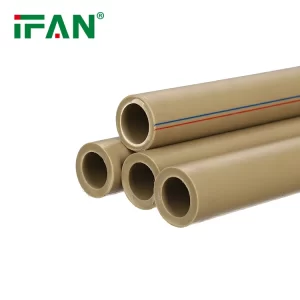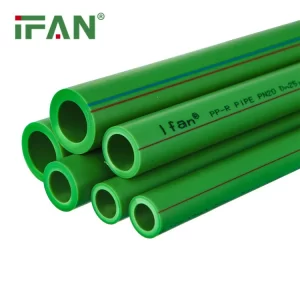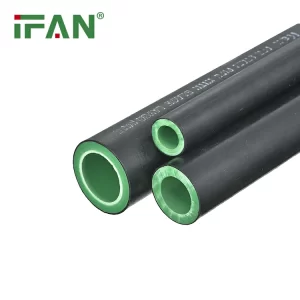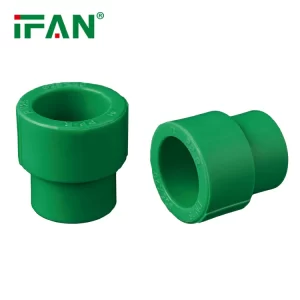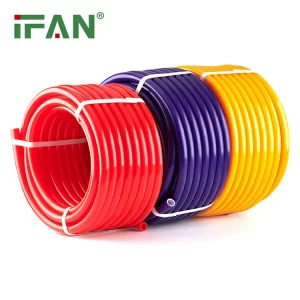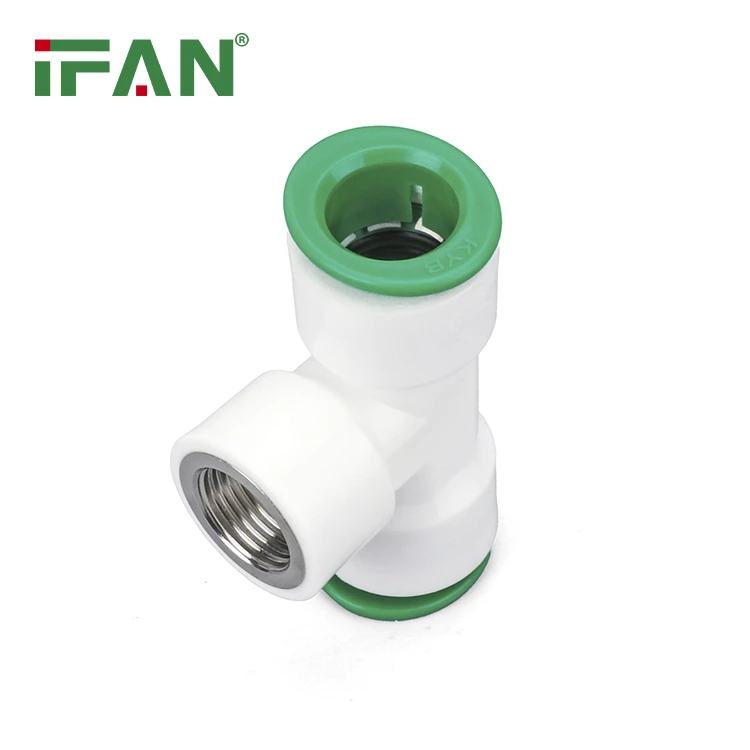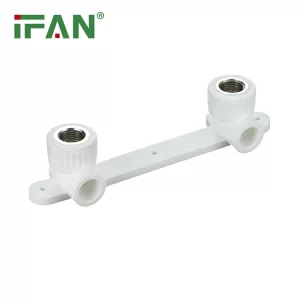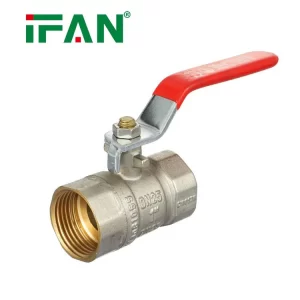
PPR pipe (Polypropylene Random Copolymer), also known in many countries as ppr cevi, has become the world’s most popular plastic plumbing material because it combines 50+ year durability with fast, clean installation and complete safety for drinking water. This complete guide explains exactly what PPR is, how modern factories manufacture it step by step, and why its unique molecular structure makes it superior to older plastics. You will discover the precise extrusion process, quality control tests, and raw material differences that separate premium PPR from cheap copies — knowledge that helps you choose pipes that truly last a lifetime.
FAQ: Most Common Questions About PPR Pipe
What does PPR stand for?
PPR stands for Polypropylene Random Copolymer Type-3 — the only grade safe and strong enough for hot and cold drinking water.
Is PPR the same as PPRC or PP-RCT?
PPR and PPRC are identical. PP-RCT is a newer, higher-temperature version used in industrial applications.
How long do PPR pipes really last?
Certified PPR easily lasts 50–100 years when installed correctly and operated within design limits.
Can PPR pipe be used outdoors?
Only with UV-protective sleeving or paint. Standard PPR degrades in direct sunlight.
Why is PPR green or white?
Green usually marks cold water lines, white or white-with-stripes marks hot water — a simple visual code used worldwide.
What Exactly Is PPR Pipe?
PPR belongs to the polypropylene family but uses a special random copolymer structure that gives it outstanding pressure and temperature resistance. Manufacturers create this Type-3 material by adding exactly the right amount of ethylene molecules randomly along the polypropylene chain — this random placement prevents crystallization and delivers:
- Flexibility without brittleness
- High impact strength even at low temperatures
- Excellent long-term creep resistance
- Complete food-grade safety
These properties make PPR the gold standard for modern plumbing.
Step-by-Step PPR Pipe Manufacturing Process
1. Raw Material Selection
Factories start with 100% virgin polypropylene random copolymer pellets from trusted suppliers like Borealis, LyondellBasell, or Sinopec. Premium grades contain no recycled content and include precise stabilizer packages.
2. Color Masterbatch Addition
Workers add certified color masterbatches:
- Green for cold water
- White base for hot water
- Red or blue stripes for instant identification
3. Drying and Mixing
A dehumidifying dryer removes all moisture from pellets — even 0.02% water causes bubbles and weak spots.
4. Extrusion
The heart of manufacturing happens here:
- Pellets feed into a single-screw extruder
- Heating zones gradually melt material from 180°C to 240°C
- A specially designed screw homogenizes the melt
- Melt pumps ensure perfectly constant pressure
5. Pipe Forming
- Melt flows through an annular die that shapes the pipe
- Calibrators set exact outer diameter
- Vacuum tanks cool and solidify the pipe while maintaining roundness
- Multiple cooling baths gradually lower temperature to prevent stress
6. Co-Extrusion (for striped pipes)
Advanced lines add 2–3 thin colored stripes during extrusion so installers instantly identify hot water lines.
7. Printing and Marking
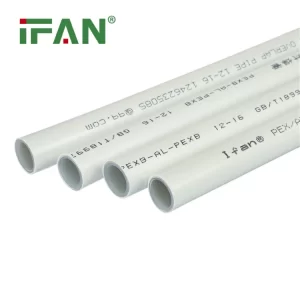
High-speed printers add permanent markings every meter:
- Brand name
- PPR-C Type-3 designation
- Diameter and pressure rating (PN20/PN25)
- Certification marks
- Production date and batch code
8. Quality Control Testing
Every production batch undergoes:
- 1-hour hydrostatic pressure test at 95°C
- Impact resistance drop tests
- Melt flow index verification
- Dimensional accuracy checks
- Long-term regression testing (samples sent to labs)
9. Coiling or Cutting
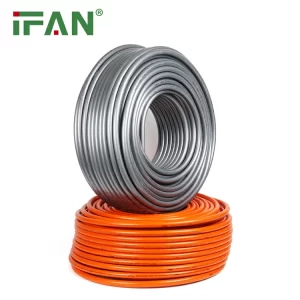
Small diameters (20–63 mm) coil into 100–200 meter rolls. Larger sizes cut to 4-meter or 5.8-meter straight lengths.
10. Final Packaging
Pipes receive protective caps and wrap in UV-resistant bags before shipping.
The entire process runs under ISO 9001 quality management with full traceability from raw pellet to finished pipe.
Common Applications Worldwide
PPR dominates in:
- Residential hot and cold water systems
- Underfloor and radiator heating
- Solar water heating connections
- Compressed air lines
- Chemical transport (when properly specified)
- Shipbuilding and marine applications
Over 90% of new buildings in Europe, Middle East, and Asia now use PPR.
Buying Guide: Choose Quality PPR Every Time
Must-Have Features
- 100% virgin Type-3 random copolymer
- PN20 (cold) or PN25 (hot) pressure rating
- NSF/ANSI 61 + ISO 15874 certification
- Permanent printed markings every meter
- Smooth, shiny inner surface
Red Flags to Avoid
- Dull or rough interior (sign of recycled material)
- No certification markings
- Price 40–60% below market average
- Strong chemical smell when cut
Installation Best Practices
- Cut squarely with proper PPR scissors
- Clean pipe ends and sockets with alcohol
- Heat exactly 260°C — never guess
- Join immediately and hold still 10 seconds
- Wait minimum 30 minutes before pressure testing
- Support pipes every 80 cm maximum
Follow these steps for perfect, leak-free joints every time.
PPR vs Other Pipe Materials
| Feature | PPR | Copper | PEX | CPVC | PVC |
|---|---|---|---|---|---|
| Max Continuous Temperature | 95°C | 100°C+ | 82°C | 82°C | Not rated |
| Joint Method | Heat fusion | Soldering | Crimp/Expansion | Solvent cement | Glue |
| Installation Speed | Fastest | Slow | Fast | Medium | Medium |
| Chemical Resistance | Excellent | Good | Good | Fair | Poor |
| Cost (materials + labor) | Lowest | Highest | Medium | Medium | Lowest (drain only) |
| Lifespan | 50–100 years | 50+ years | 40–50 years | 30–50 years | 25–50 years |
| Drinking Water Safety | Best | Excellent | Good | Good | No |
PPR wins for most modern applications.
Conclusion
PPR pipe — known as ppr cevi in many regions — earns its position as the world’s favorite plumbing material through a sophisticated manufacturing process that transforms simple polypropylene pellets into pipes that last over 100 years. From precise raw material selection through multi-stage extrusion and rigorous testing, every step ensures you receive a product that delivers perfect performance decade after decade. Choose certified PPR from trusted manufacturers and enjoy the peace of mind that comes with the world’s most advanced plastic piping system. Get the highest-quality PPR pipes, fittings, and professional support at factory-direct prices from IFAN at 5580 S Decatur Blvd #114, Las Vegas, NV 89118 — your reliable partner for premium PPR solutions.
Connect
IFAN is a Chinese manufacturer of plastic pipes, fittings and valves with 30 years of experience. If you are interested in IFAN copper fittings, copper valves, plastic pipes and fittings, please contact us. IFAN offers you a variety of standard pipes to meet your specific needs. Click below to learn more about IFAN’s wide range of affordable and cost-effective valve products and piping system related products.
We will reply your email or fax within 24 hours.
You can call us at any time if there is any question on our production.
For more information,pls visit our webside https://waterpipefitting.com/
Pls Mailto: [email protected]
Whatsapp: +86 13325756195