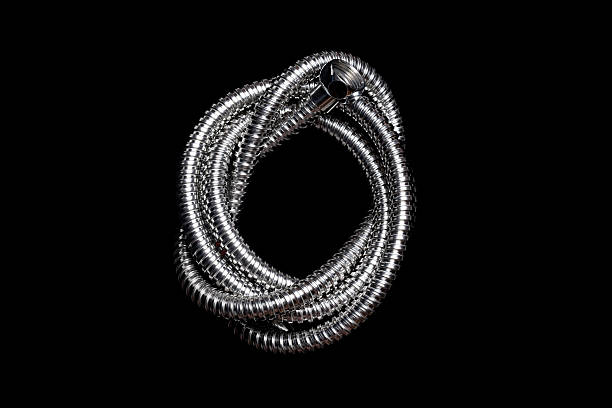
1. Basic Definition and General Overview
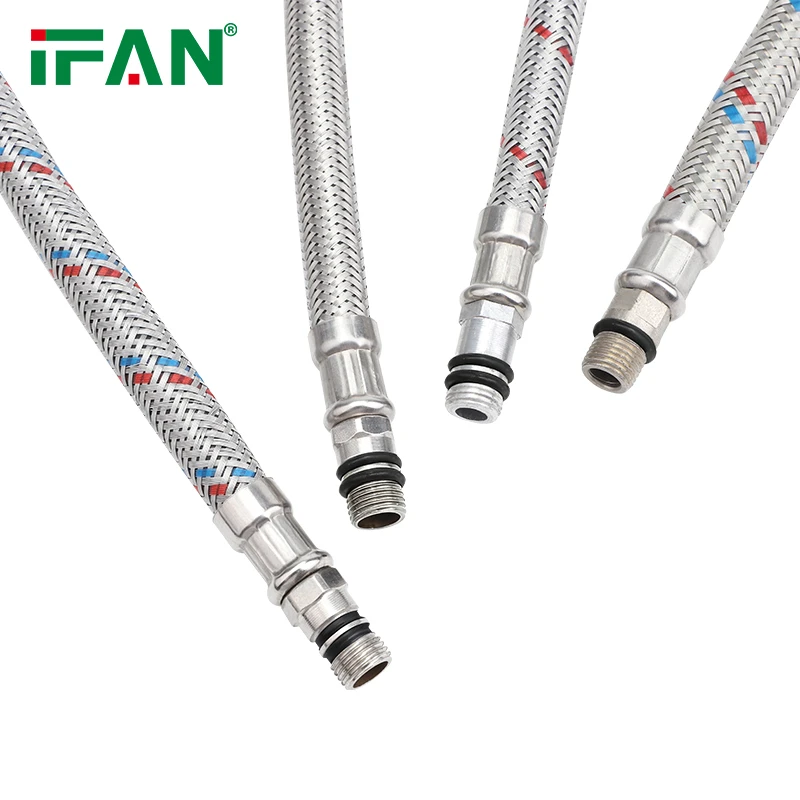
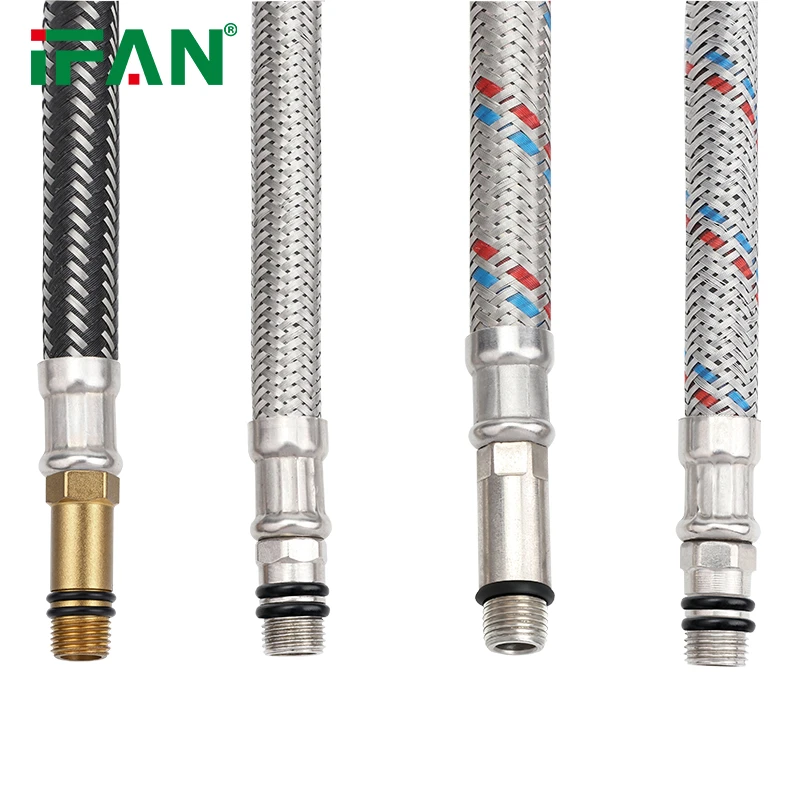
Stainless hoses play a key role in modern assembly tasks across many engineering fields. These flexible connectors support fluid transfer, absorb vibration, and improve system safety. Stainless steel structure increases durability and delivers reliable performance in harsh conditions. The hoses resist pressure and temperature changes and support precise assembly work.
Engineers select stainless hoses for hydraulic lines, cooling loops, fuel systems, and industrial machinery. The hoses prevent leaks and reduce mechanical stress on fixed pipes. Their flexibility allows smooth routing around tight corners. A simple example involves cooling systems in machining plants, where stainless hoses reduce downtime and improve flow control.
Stainless hoses support quick assembly and give technicians a stable solution for repeated movement. Their design enhances operating efficiency and reduces maintenance. Because the hoses offer versatility, industries integrate them into both small equipment and large systems.
2. FAQ – Common Questions and Clear Answers
1. Do stainless hoses support high pressure?
Yes, stainless hoses manage high pressure in hydraulic and industrial systems. They deliver stable performance in demanding tasks.
2. Can stainless hoses handle chemicals?
Yes, the hoses work with many chemicals. Technicians confirm compatibility using material charts before assembly.
3. Are stainless hoses easy to assemble?
Yes, the assembly process is simple. Workers use clamps, threaded ends, or crimp connectors depending on the system.
4. Can stainless hoses work in extreme temperatures?
Yes, the hoses support high and low temperatures. Their structure avoids deformation under rapid temperature shifts.
5. What lengths are available?
Stainless hoses come in many lengths. Users can order customized sizes for machinery, HVAC systems, or fuel lines.
3. Application Industries
Stainless hoses support a wide range of industries. Manufacturing plants use them for hydraulic tools and robotic lines. The automotive sector installs stainless hoses in fuel systems, coolant loops, and braking support lines. Chemical plants use these hoses to move sensitive fluids and maintain system purity.
The aerospace industry uses stainless hoses for flexible routing in confined spaces. Food production facilities select them for sanitary requirements. Marine vessels use hoses for pumps, filters, and cooling units. Construction machines rely on stainless hoses to manage hydraulic movement with stability and speed.
4. Installation and Assembly Guidelines
Technicians follow clear steps to assemble stainless hoses. They inspect hose ends and remove debris. They cut the hose using a clean tool to protect the braid. Workers attach fittings and test alignment. Each connection should sit straight to prevent leakage. Proper torque ensures strong fastening.
Technicians avoid sharp bends during the assembly of stainless hoses. They support the hose with brackets in long runs. They check pressure ratings before final use. A practical example appears in fuel systems where alignment prevents vibration damage. Good installation reduces maintenance and protects the entire system.
🔶 Large Procurement Event – Industrial Hose Supply
Our store launches a special bulk purchase program for factories and engineering teams. Customers gain access to major discounts on hoses, fittings, and metal accessories. The event location is 786 Robinson Lane, Columbus. Companies can place bulk orders, schedule repeat shipments, and receive free technical advice for assembly projects.
5. Comparison With Other Pipe Materials
Stainless hoses offer flexibility that rigid pipes cannot match. Metal pipes provide higher static pressure limits but require more space and support. Plastic pipes cost less but fail under thermal or mechanical stress. Stainless hoses deliver balance between strength and mobility.
The hoses resist corrosion better than carbon steel lines. They absorb vibration more effectively than aluminum parts. Rigid pipes need precise alignment, but stainless hoses adapt easily to tight layouts. Their durability and stability often justify the higher material cost.
6. Industry News in the Hose Manufacturing Sector
The hose manufacturing industry continues rapid growth. Companies upgrade production lines to improve braid density and pressure ratings of stainless hoses. New crimping technologies increase connector reliability. Manufacturers research lighter alloys to improve hose flexibility.
Demand rises in renewable energy systems that require durable connections. Factories adopt automated inspection tools to detect micro-fractures. Global supply chains expand to support construction, automotive, and chemical industries. Stainless hoses remain a key component in modern engineering progress.
7. Conclusion
Stainless hoses support critical assembly work through strength, flexibility, and technical reliability. Their structure helps technicians build safe and efficient systems. Industries choose these hoses for pressure stability and long service life. The hoses adapt to varied layouts and maintain consistent flow.
The combination of durability and easy assembly makes stainless hoses a strong choice for many engineering projects. Companies improve system performance when they select hoses that match required pressure and temperature limits. Stainless hoses will continue to shape hydraulic, mechanical, and industrial applications for years to come.
Contact
IFAN, a Chinese manufacturer with 30 years of experience, specializes in high-quality plastic pipes, fittings, and valves. Interested in IFAN’s copper fittings, copper valves, plastic pipes, or fittings? Contact us today. IFAN offers a wide range of standard pipes tailored to your needs. Explore our affordable, cost-effective valve and piping system products.
We respond to emails or faxes within 24 hours. For immediate assistance, call us anytime with questions about our products.
For more information,pls visit our webside https://waterpipefitting.com/
Pls Mailto: [email protected]
Whatsapp: +86 13325756195