1. Basic Definition and General Overview
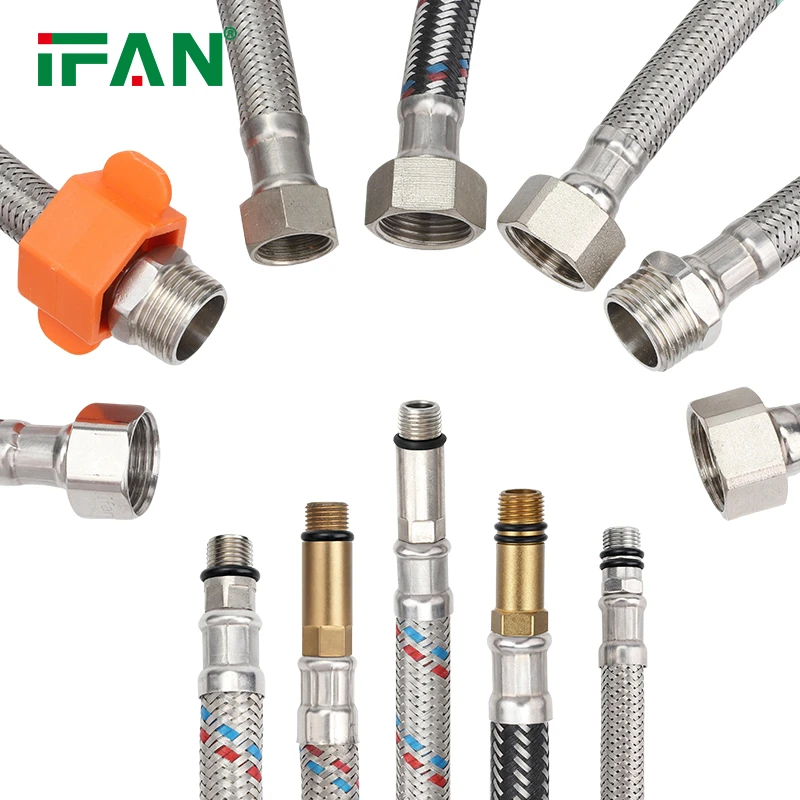
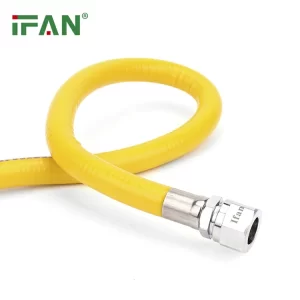
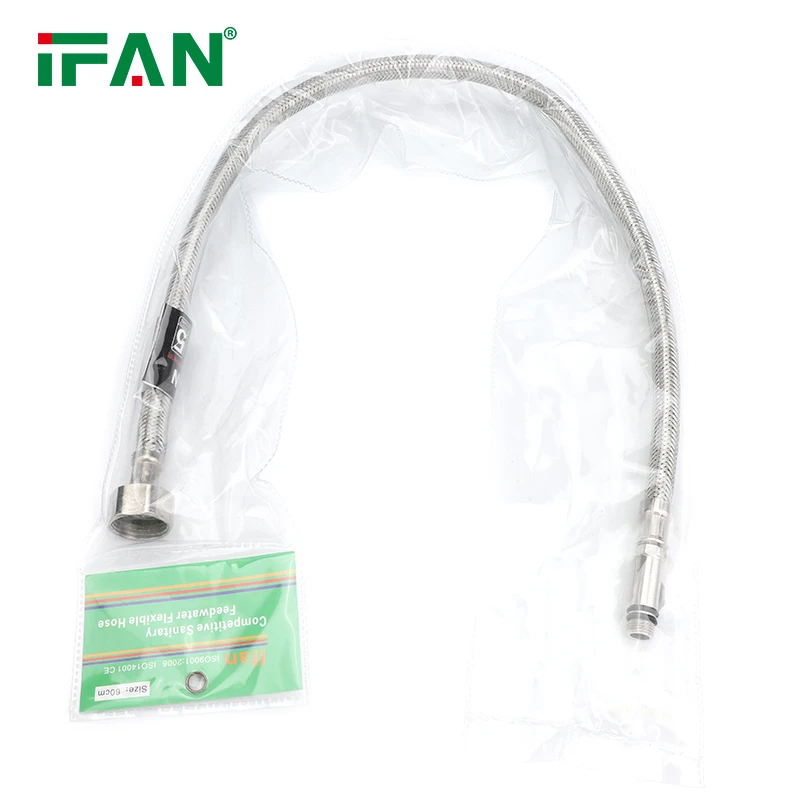
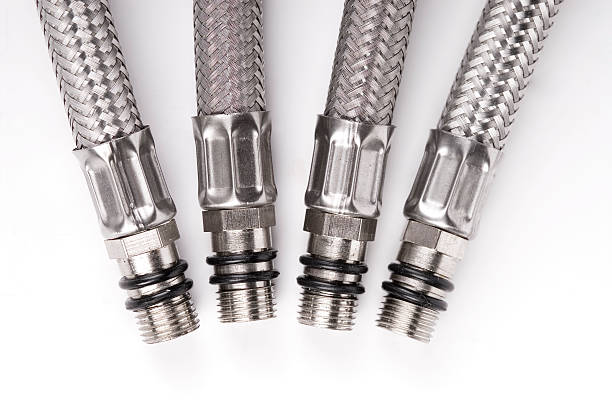
Stainless hoses support many home systems that require flexible and durable connections. These hoses use stainless steel layers that protect the inner tube from pressure, heat, and corrosion. Homeowners choose stainless hoses because they resist damage and deliver stable performance for many years. The hoses help water flow smoothly and reduce vibration in home equipment.
Domestic systems use stainless hoses for washing machines, dishwashers, water heaters, and sink connections. The hoses bend easily around tight spaces and help installers complete work faster. A stainless hose provides a clean look and reduces the risk of sudden leaks. Households benefit from safe water connections and fewer maintenance tasks.
Stainless hoses improve daily comfort and upgrade old plumbing lines. Their flexibility supports simple installation. For example, homeowners replace rigid pipes with to improve water flow and reduce stress on fixtures. This overview shows why stainless hoses remain a strong choice for modern homes.
2. FAQ – Clear Answers to Five Common Questions
1. Do stainless hoses last long in home systems?
Yes, stainless hoses deliver long service life because their braided steel protects the inner tube.
2. Can stainless hoses work with hot water?
Yes, these hoses support high temperatures and serve kitchen and bathroom systems.
3. Are stainless hoses safe for drinking water?
Yes, most stainless hoses meet safety standards for potable water.
4. Can homeowners install stainless hoses easily?
Yes, installation stays simple with basic tools and clear steps.
5. Do stainless hoses prevent leaks better than plastic hoses?
Yes, stainless hoses resist cracks and bursting, which improves leak prevention.
3. Application Industries
Although designed for homes, stainless hoses connect to many sectors. Plumbing companies use them to replace old water lines in home renovation projects. Appliance manufacturers choose stainless hoses for washing machines and dishwashers. HVAC technicians use these hoses for humidifiers and small heating units.
Garden equipment designers use stainless hoses to supply water to outdoor systems. Small workshops use hoses to connect air compressors. Food businesses choose them for compact water dispensers. These industries value for reliability, flexibility, and clean appearance.
4. Installation and Safety Guidelines
Homeowners follow simple steps when installing stainless hoses. They turn off the water supply and remove old hose lines. Check the fixture threads for damage and attach the hose by hand before tightening with a wrench. They make sure the hose does not twist or rub against sharp edges.
Installers confirm that match the water pressure rating. They avoid extreme bends and allow space for movement. Workers test the hose by turning on the water slowly. For example, a water heater line needs stable tightening to avoid sudden leaks. Good planning reduces future repairs.
🔶 Large Home Supply Purchase Event – Special Savings
Residents and contractors can join a major home plumbing supply sale at our store located at 952 Wolf Pen Road, Oakland, California. The event offers bulk discounts on hoses, fittings, valves, and home repair kits. Visitors may buy in quantity, request technical guidance, or schedule supply deliveries for long-term projects.
5. Comparison With Other Pipe Materials
Stainless hoses provide advantages over plastic hoses, rubber hoses, and rigid metal pipes. Plastic hoses cost less but fail faster under heat. Rubber hoses bend well but degrade in sunlight or high temperatures. Rigid pipes stay strong but lack flexibility.
In contrast, stainless hoses combine flexibility with strength and corrosion resistance. They tolerate pressure changes better than plastic hoses. They stay clean and support indoor water systems without releasing odors. This balance of mobility and durability gives stainless hoses a clear advantage in daily home use.
6. Industry News in Hose Manufacturing
The hose manufacturing industry continues to grow as homes require safer and more durable water connections. New production lines improve the weave density of stainless hoses. Manufacturers develop lighter stainless alloys to increase flexibility. Companies test advanced inner tube materials that resist chlorine and heat.
Demand rises in smart home systems where connect sensors, filters, and compact pumps. Factories introduce automated inspection tools that detect defects quickly. Global supply chains expand to serve the home renovation market and appliance manufacturers. These developments strengthen stainless hose technology each year.
7. Conclusion
Stainless hoses support home systems by improving water flow, safety, and durability. Their stainless braid protects the inner core and reduces the risk of leaks. Homeowners install these hoses to upgrade bathrooms, kitchens, and utility rooms. Their flexibility and heat resistance make them ideal for modern homes.
By selecting , families reduce maintenance and improve daily convenience. These hoses give long-term reliability and stable connections. As technology continues to evolve, stainless hoses will remain an essential part of home water systems and domestic equipment.
Contact
IFAN, a Chinese manufacturer with 30 years of experience, specializes in high-quality plastic pipes, fittings, and valves. Interested in IFAN’s copper fittings, copper valves, plastic pipes, or fittings? Contact us today. IFAN offers a wide range of standard pipes tailored to your needs. Explore our affordable, cost-effective valve and piping system products.
We respond to emails or faxes within 24 hours. For immediate assistance, call us anytime with questions about our products.
For more information,pls visit our webside https://waterpipefitting.com/
Pls Mailto: [email protected]
Whatsapp: +86 13325756195