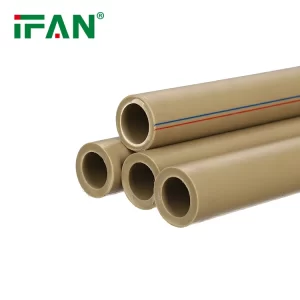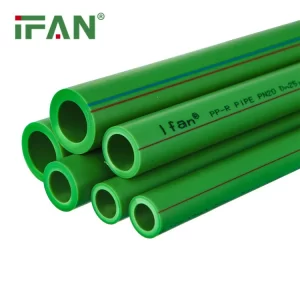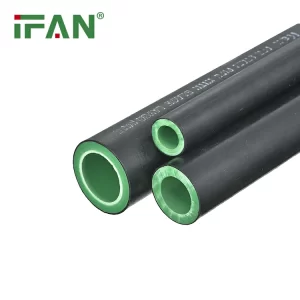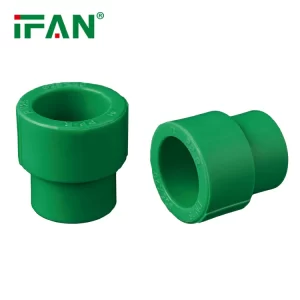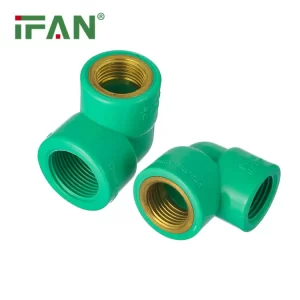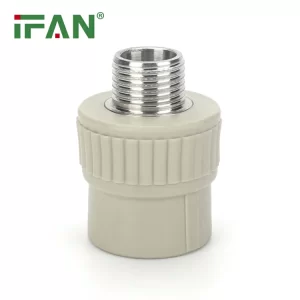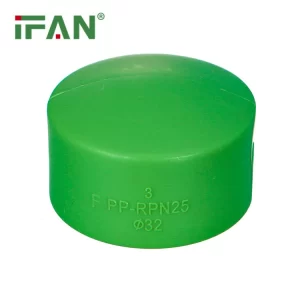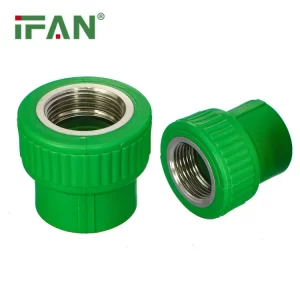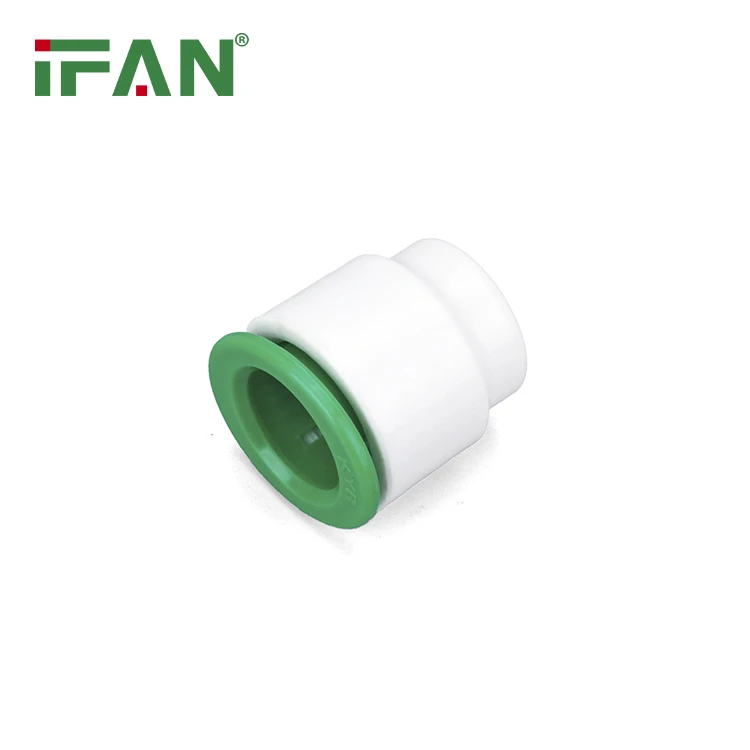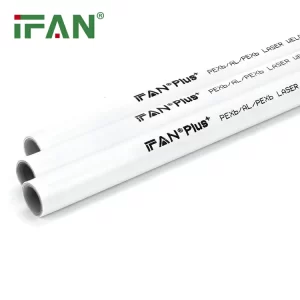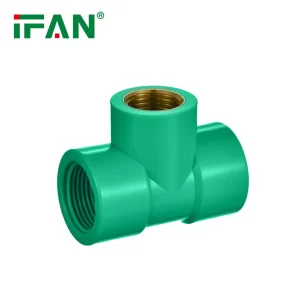
The color of a ppr pipe for water supply — green, white, or gray — has absolutely nothing to do with the actual quality or strength of the pipe itself. All three colors come from the exact same virgin polypropylene random copolymer (PP-R) raw material when made by reputable factories. The only difference is a tiny amount of color masterbatch (0.3–0.8%) added for visual identification and branding. This complete guide clears up the myths once and for all, shows you what really determines quality, and explains the global color code system so you never overpay for “premium” colors again.
FAQ: Most Common Questions About PPR Pipe Colors
Does green PPR have better quality than white or gray?
No. All certified pipes use identical virgin PP-R resin — color is just a dye.
Why is green PPR usually more expensive?
Because many European brands (who started the green trend) position it as “premium”. The pipe itself is the same.
Is gray PPR lower quality?
No. Gray is simply the natural color of pure PP-R with minimal pigment — often the purest version.
Can I use any color for hot and cold water?
Yes — the material is identical. Color is only for identification.
Which color is most common worldwide?
Green for cold, white (or white with red/blue stripes) for hot — but any color works technically.
The Truth About Color and Quality
All reputable manufacturers start with the same base resin:
- 100% virgin Type-3 random copolymer
- Same stabilizer package
- Same pressure rating (PN20 or PN25)
- Same 50–100 year lifespan
They then add FDA-approved color masterbatch:
- Green → cold water identification (European tradition)
- White → clean, modern look (very popular in Asia)
- Gray → natural resin color (often used in Middle East and industrial)
- White with red/blue stripes → hot water (universal standard)
The amount of pigment is less than 1% — it cannot affect strength, safety, or longevity.
Global Color Code Standards (Not Quality Standards)
| Color | Traditional Meaning | Most Common Regions |
|---|---|---|
| Solid green | Cold water | Europe, Russia, Latin America |
| Solid white | Universal / cold | China, Southeast Asia |
| Gray | Universal / recycled water | Middle East, Africa |
| White with red stripe | Hot water | Worldwide |
| White with blue stripe | Cold water | Worldwide |
Follow local tradition — performance stays identical.
What Actually Determines Quality (Not Color)
| Real Quality Factor | Good Sign | Red Flag |
|---|---|---|
| Raw material | 100% virgin Borealis/Hyosung/BASF resin | Recycled or unknown source |
| Certification | NSF 61 + ISO 15874 + DIN 8077/78 printed | No markings or only “PP-R” |
| Inner surface | Mirror-smooth and shiny | Dull, rough, or wavy |
| Wall thickness consistency | Even all around | Thin spots or oval shape |
| Printing | Clear, permanent every meter | Faded or missing |
| Smell when cut | No chemical odor | Strong plastic smell |
Focus on these — ignore color.
Buying Guide: Choose Quality, Not Color
Best Practice Worldwide
- Buy PN20 green or white for cold water
- Buy PN25 white with red stripe for hot water
- Accept gray only if it carries full certification and no recycled content
Price Reality
- Green and white usually cost the same from the same factory
- Gray is often 5–10% cheaper (less pigment)
- Never pay more than 5% extra for a “premium” color
Installation Tips (Same for All Colors)
- All colors weld exactly the same at 260°C
- Use the same fittings — no difference
- Mix colors freely in the same system (many pros do)
- Stripes on white pipe help identify hot/cold instantly
- Gray pipe shows dirt faster — some avoid it in exposed runs
Color vs Other Materials (Quality Comparison)
| Material | Color Options | Real Quality Difference | Cost vs Certified PPR |
|---|---|---|---|
| PPR (any color) | Green/white/gray | None between colors | Baseline |
| Copper | Natural/red | Consistent | 4–6× higher |
| PEX | White/red/blue | Minor brand differences | +10–20% |
| CPVC | Gray/cream | Brand matters a lot | +15–30% |
| Galvanized steel | Silver | Poor in 20–40 years | High + corrosion |
Certified PPR in any color beats alternatives on cost and longevity.
Why the Color Myth Persists
- European brands made green famous in the 1990s → “green = German quality” myth
- Some low-quality factories use bright colors to hide recycled material
- Marketing: “Our special green formula is stronger” → completely false
Top factories worldwide (including IFAN) offer all colors from the same production line.
Conclusion
No color — green, white, or gray — makes a ppr pipe for water supply better or worse in quality when you buy certified, virgin-material pipe. The only thing that matters is 100% virgin Type-3 PP-R, proper wall thickness (PN20/PN25), and full international certification printed on every meter. Choose green for tradition, white for clean look, gray to save a few dollars — they all perform exactly the same for 50–100 years. Get factory-certified PPR in every color and PN rating at the best prices from IFAN at 5580 S Decatur Blvd #114, Las Vegas, NV 89118 — your trusted source for real quality that has nothing to do with color.
Connect
IFAN is a Chinese manufacturer of plastic pipes, fittings and valves with 30 years of experience. If you are interested in IFAN copper fittings, copper valves, plastic pipes and fittings, please contact us. IFAN offers you a variety of standard pipes to meet your specific needs. Click below to learn more about IFAN’s wide range of affordable and cost-effective valve products and piping system related products.
We will reply your email or fax within 24 hours.
You can call us at any time if there is any question on our production.
For more information,pls visit our webside https://waterpipefitting.com/
Pls Mailto: [email protected]
Whatsapp: +86 13325756195