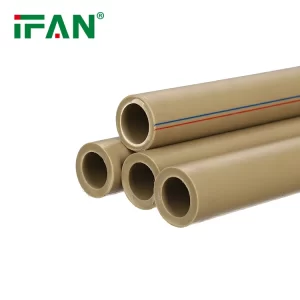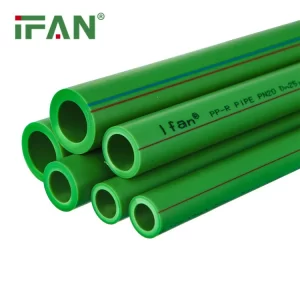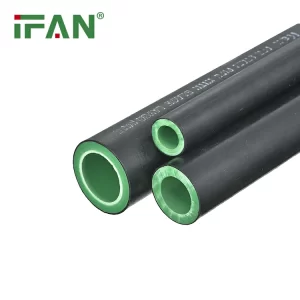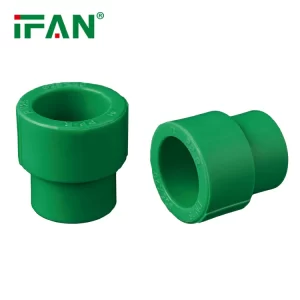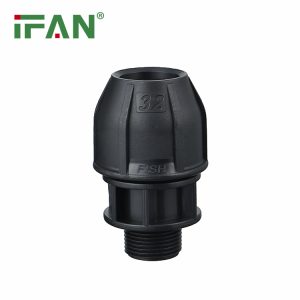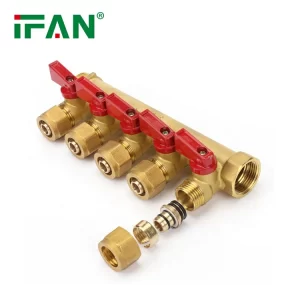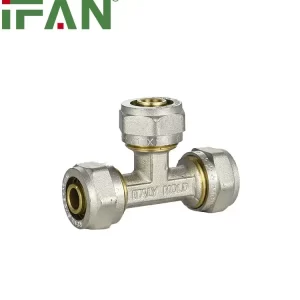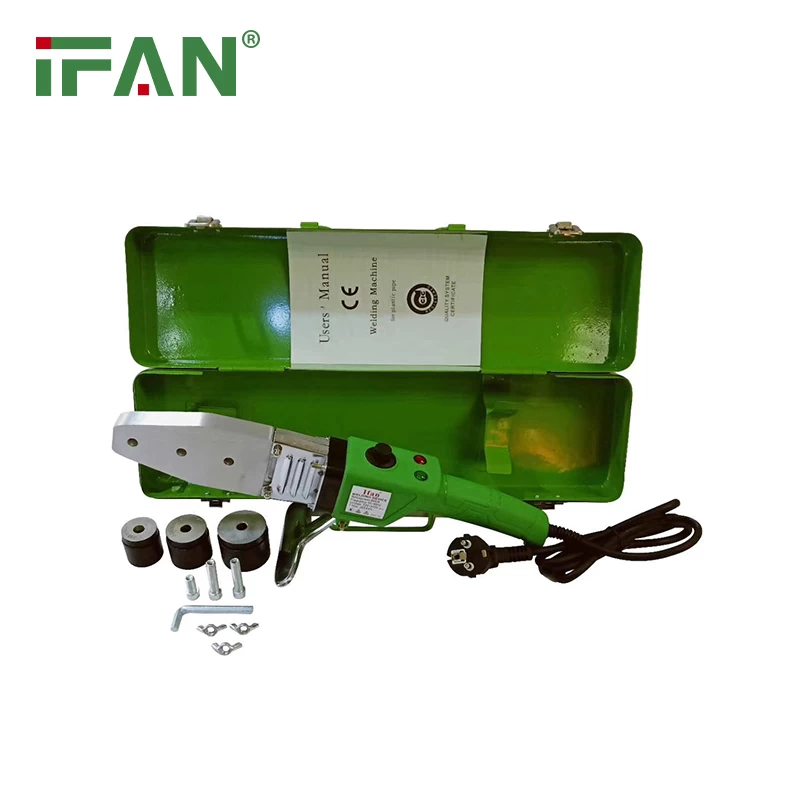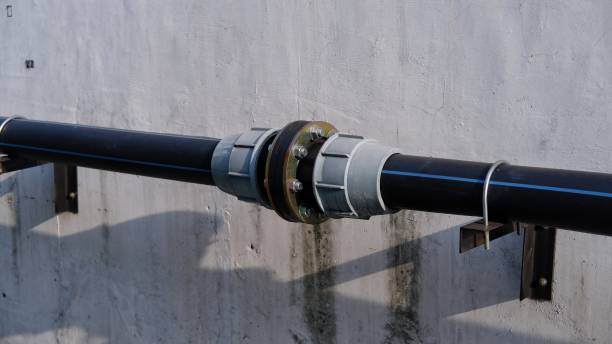
Efficient water resource management is crucial for sustainable agriculture, and the choice of irrigation infrastructure plays a vital role in achieving this goal. High-density polyethylene (HDPE) pipes have become the preferred material for irrigation systems due to their numerous environmental advantages. This article will explore the advantages of using HDPE pipes for irrigation.
With products from The Plumbing Shop in Harare, located at Shop 8, Sam Levy’s Village, Borrowdale Road, customers access poly pipe fittings irrigation. Professional guidance ensures every irrigation project succeeds, delivering efficient, long-lasting, and cost-effective water systems.
Hdpe agriculture pipe
HDPE pipes are made of high-density polyethylene, a flexible, lightweight, and robust thermoplastic material. These pipes offer numerous advantages, such as enhanced durability, leak resistance, and lower environmental impact. Making them ideal for a wide range of water management applications. HDPE pipes also exhibit excellent resistance to chemical corrosion, shock absorption, and temperature variations, ensuring a long service life and reliability under diverse environmental conditions. Furthermore. Their smooth inner walls maximize flow rate and reduce energy consumption.
Key Features of HDPE Pipes
High-density polyethylene (HDPE) pipes offer numerous advantages that significantly improve agricultural productivity. Their superior performance enables high efficiency, reliability, and sustainability in a variety of applications. The following details the key advantages of HDPE pipes in agriculture.
Durability: HDPE pipes are extremely tough, abrasion-resistant, and damage-resistant, ensuring long-term performance even under harsh agricultural conditions.
Corrosion Resistance: HDPE pipes exhibit excellent abrasion resistance and resistance to environmental degradation, ensuring a longer service life in demanding agricultural environments.
Leak-Free Joints: Leak-free joints are formed within HDPE pipes using a fusion welding process, preventing leaks and optimizing operational efficiency.
Flexibility: HDPE pipes exhibit excellent resistance to ground displacement and soil compaction, maintaining structural integrity in underground applications.
Chemical Resistance: HDPE pipes are resistant to chemical agents, including fertilizers and pesticides, ensuring compatibility with a wide range of agricultural inputs.
Lightweight: HDPE pipes have a much lower density than metal pipes, making them easier to handle, transport, and install, ultimately reducing labor and equipment costs.
Smooth Inner Wall: The hydraulically smooth inner wall of HDPE pipes significantly reduces friction loss and sediment buildup, thereby optimizing flow rate and minimizing energy consumption.
IFAN’s international standards
IFAN follows multiple internationally recognized standards to ensure the quality, safety, and compatibility of its HDPE water supply pipes. These include ASTM D3035, ASTM D3350, ISO 4427 Series standards, EN 12201 Series standards, DIN 8074/8075, GB/T 13663 Series standards, AS/NZS 4130, JIS K6760, BS 6572, and CSA B137.1. By adhering to these global benchmarks, IFAN guarantees that its products meet diverse regional requirements and perform reliably in various environmental and industrial applications.
Connect
IFAN, a Chinese manufacturer with 30 years of experience, specializes in high-quality plastic pipes, fittings, and valves. Interested in IFAN’s copper fittings, copper valves, plastic pipes, or fittings? Contact us today. IFAN offers a wide range of standard pipes tailored to your needs. Explore our affordable, cost-effective valve and piping system products.
We respond to emails or faxes within 24 hours. For immediate assistance, call us anytime with questions about our products.
For more information,pls visit our webside https://waterpipefitting.com/
Pls Mailto: [email protected]
Whatsapp: +86 13325756195