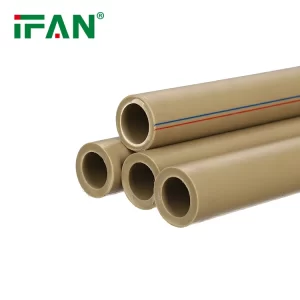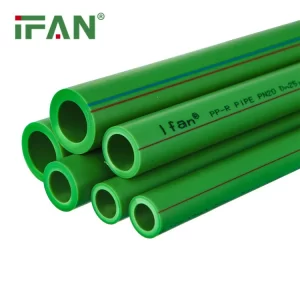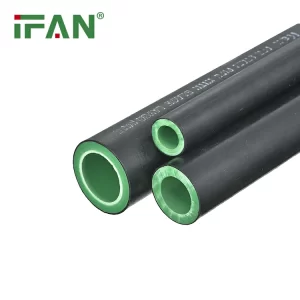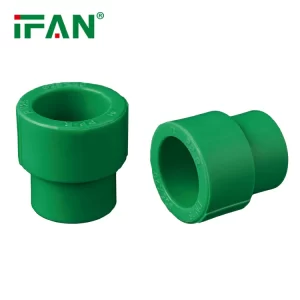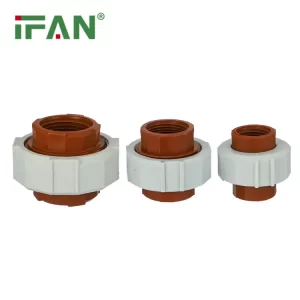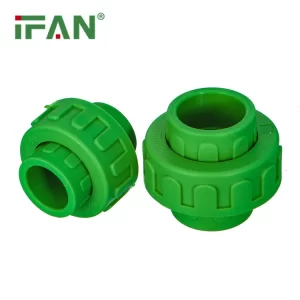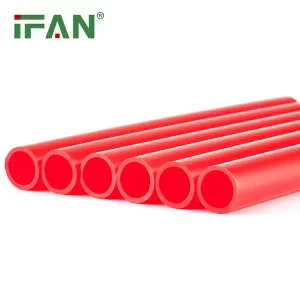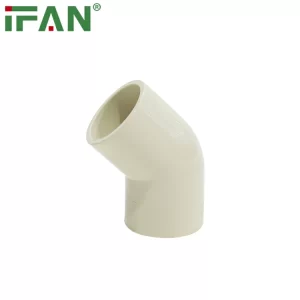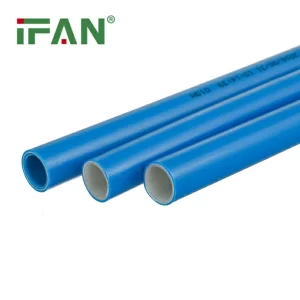
Calculating the flow rate of 32mm Polypropylene Random Copolymer (PPR) pipe fittings ensures efficient water delivery in plumbing systems, optimizing performance for homes and businesses. This guide explains how to compute flow rates for 32mm PPR pipes, covering their features, applications, selection tips, and installation best practices. Whether you’re a homeowner designing a water supply system or a contractor managing a commercial project, you’ll learn how to maximize efficiency with PPR fittings. With practical insights, a material comparison, and answers to common questions, this article helps you achieve a high-performing PPR plumbing system.
Frequently Asked Questions (FAQ)
1. What are Polypropylene Random Copolymer pipe fittings?
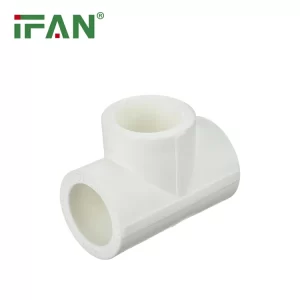
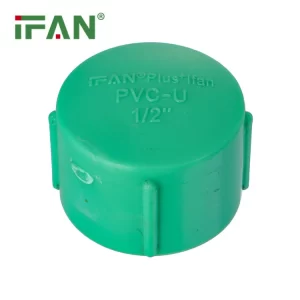
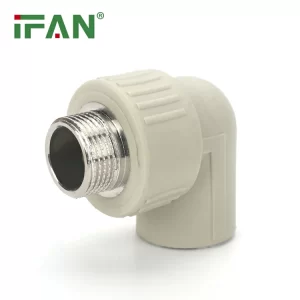
PPR pipe fittings are connectors, elbows, tees, or couplings made from polypropylene random copolymer, used to join 32mm PPR pipes in water or heating systems.
2. How do I calculate the flow rate for a 32mm PPR pipe?
Use the formula Q = A × v, where Q is flow rate, A is the pipe’s cross-sectional area, and v is water velocity (typically 1–2 m/s for efficiency).
3. Why is flow rate important for PPR pipe systems?
Proper flow rate ensures adequate water supply without excessive pressure loss, improving system efficiency and reducing energy costs.
4. What factors affect the flow rate in 32mm PPR pipes?
Pipe diameter, water velocity, pipe length, fittings, and system pressure all influence flow rate, requiring careful calculation for optimal performance.
5. Can PPR fittings handle high flow rates?
Yes, 32mm PPR fittings support flow rates of 15–30 liters per minute at typical velocities, suitable for most residential and commercial systems.
Definition and Features of PPR Piping Systems
PPR piping systems, crafted from Polypropylene Random Copolymer, are designed for water supply, heating, and cooling, with 32mm PPR pipe fittings serving as critical connectors for pipes or fixtures. These systems are favored for their durability, corrosion resistance, and smooth inner surfaces, which enhance flow efficiency. The 32mm diameter is a common size for medium-flow applications, balancing capacity and ease of installation.
Key features include:
- Smooth flow: PPR’s low-friction interior maximizes flow rate and minimizes pressure loss.
- Corrosion resistance: Fittings don’t rust or scale, ensuring consistent water quality.
- Thermal stability: They handle temperatures from 32°F to 203°F, though cold water is the focus here.
- Leak-proof joints: Heat fusion creates seamless connections, supporting high flow rates.
- Durability: PPR fittings last over 50 years in cold water systems.
For a 32mm PPR pipe, the flow rate depends on the cross-sectional area (approximately 804 mm²) and water velocity. At 1.5 m/s, a 32mm pipe delivers about 72 liters per minute, ideal for household or small commercial systems. For example, in a home, 32mm PPR fittings connect pipes to a bathroom, ensuring efficient water delivery to multiple fixtures.
Common Uses and Industry Applications
PPR pipe fittings, particularly 32mm sizes, are widely used in cold and hot water systems across various sectors due to their flow efficiency and reliability. In residential settings, they connect water lines to bathrooms, kitchens, and laundry rooms, supporting sinks, showers, and washing machines with consistent flow rates. Homeowners appreciate their low maintenance and ability to handle medium-flow demands.
In commercial buildings, such as offices, hotels, and retail centers, 32mm PPR fittings manage water distribution for restrooms, kitchens, and cooling systems, delivering adequate flow for multiple users. In agriculture, they supply water for irrigation, with fittings ensuring secure connections to pumps or sprinklers, maintaining flow even in outdoor conditions.
Industrial applications include water supply for manufacturing processes or cooling systems, where 32mm PPR fittings handle moderate flow rates without corrosion. In schools and hospitals, they provide clean water for drinking fountains and sanitation, meeting hygiene standards with efficient flow. Each application benefits from calculating flow rates to ensure the system meets demand without wasting energy or water.
Selection Guide for PPR Pipe Fittings
Choosing the right 32mm Polypropylene Random Copolymer pipe fittings ensures efficient flow rates and system reliability. Start with the material: High-quality PPR resists pressure and corrosion, ensuring long-term performance. Avoid low-grade plastics that may crack or degrade flow efficiency.
Confirm the size: 32mm fittings match 32mm PPR pipes, ideal for medium-flow systems (15–30 liters per minute at 1–2 m/s). Select fitting types—elbows, tees, or couplings—based on your piping layout. Check the pressure rating (PN10 or PN16 for cold water, 10–16 bar) to ensure compatibility with your system’s demands.
Certifications like ISO 15874, NSF, or WRAS guarantee safety for potable water and flow performance. Color is typically green or white, with green often used for cold water to distinguish from hot water lines. Inspect fittings for smooth surfaces and no manufacturing defects to avoid flow restrictions.
For quality 32mm PPR fittings, visit a trusted supplier at 5580 S Decatur Blvd #114, Las Vegas, NV 89118, to explore certified options. Always verify manufacturer specifications for flow rate compatibility, ensuring fittings support your calculated water velocity and system pressure.
Installation and Maintenance Tips
Proper installation of 32mm PPR pipe fittings maximizes flow rate efficiency and prevents leaks. Follow these steps for a professional setup:
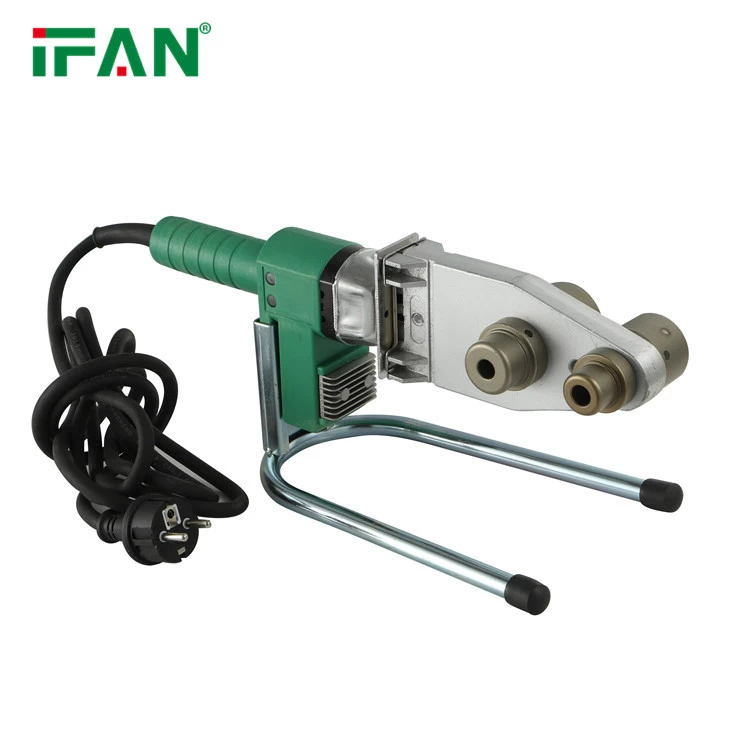
- Gather tools: You’ll need a pipe cutter, heat fusion machine, deburring tool, measuring tape, marker, and cleaning cloth.
- Plan the layout: Map your system, minimizing fittings to reduce flow resistance and maintain efficiency.
- Calculate flow rate: Use Q = A × v (A = π × (16mm)² ≈ 804 mm², v = 1–2 m/s) to ensure the 32mm pipe meets demand (e.g., 72 L/min at 1.5 m/s).
- Cut pipes cleanly: Use a pipe cutter for straight cuts on 32mm pipes, ensuring a snug fit with fittings.
- Deburr and clean: Remove burrs with a deburring tool and wipe cut ends to prepare for fusion, avoiding flow obstructions.
- Heat fusion: Set the fusion machine to 260–280°C. Heat the pipe and fitting for 6–8 seconds, then join them firmly for 10–15 seconds to cool.
- Align joints: Ensure pipes and fittings are straight during fusion to prevent weak spots that could disrupt flow.
- Test the system: Run water at operating pressure (e.g., 10 bar) and check for leaks or flow restrictions at each fitting.
For maintenance, inspect fittings every 6–12 months for wear or leaks, though PPR’s corrosion resistance minimizes issues. Clean pipes with mild soap to remove dust, avoiding harsh chemicals. If flow rate drops, check for blockages or faulty fittings and replace as needed. These practices ensure your 32mm PPR system maintains optimal flow efficiency.
PPR Piping Systems vs. Other Materials
Here’s a comparison of PPR piping systems with other materials to guide your selection:
| Feature | PPR Piping System | PVC Piping | Copper Piping | Galvanized Steel |
|---|---|---|---|---|
| Flow Efficiency | Excellent; smooth interior reduces friction | Good; but glue joints may restrict flow | Good; but scaling can reduce flow | Poor; rust and scaling obstruct flow |
| Corrosion Resistance | Excellent; no rust or scaling | Good; resists corrosion but not heat | Good; corrodes in acidic water | Poor; prone to rust |
| Installation Ease | Easy; heat fusion ensures seamless joints | Easy; solvent welding, but less durable | Moderate; requires soldering | Complex; heavy, requires threading |
| Durability | High; lasts 50+ years | Moderate; brittle over time | High; but prone to pinhole leaks | Moderate; rust shortens lifespan |
| Cost | Affordable; low material and labor costs | Very affordable; but frequent repairs | Expensive; high material and labor costs | Moderate; high maintenance costs |
| Temperature Range | Wide (32°F to 203°F) | Limited (up to 140°F) | Wide (up to 400°F) | Wide; but rust limits use |
| Leak Resistance | Excellent; fusion joints prevent leaks | Moderate; glue joints can fail | Good; but soldering errors cause leaks | Poor; rust and wear lead to leaks |
PPR piping systems, with 32mm fittings, excel in flow efficiency and corrosion resistance, making them ideal for water supply compared to PVC or galvanized steel.
Conclusion
Calculating the flow rate for 32mm Polypropylene Random Copolymer pipe fittings ensures efficient water delivery, enhancing the performance of your plumbing system. By selecting high-quality fittings, planning your layout to minimize flow resistance, and using proper heat fusion techniques, you create a reliable, leak-free network. Whether supplying water to a home or a commercial facility, PPR fittings deliver consistent flow and durability. For quality 32mm PPR fittings, visit a trusted supplier at 5580 S Decatur Blvd #114, Las Vegas, NV 89118, to find options tailored to your needs. With careful installation and maintenance, your PPR system will provide efficient water flow for decades.
Connect
IFAN is a Chinese manufacturer of plastic pipes, fittings, and valves with 30 years of experience. If you’re interested in IFAN copper fittings, copper valves, plastic pipes, or fittings, please contact us. IFAN offers a variety of standard pipes to meet your specific needs. Click below to learn more about IFAN’s wide range of affordable and cost-effective valve products and piping system-related products.
We will reply to your email or fax within 24 hours.
You can call us at any time if you have any questions about our products.
For more information,pls visit our webside https://waterpipefitting.com/
Pls Mailto: [email protected]
Whatsapp: +86 13325756195