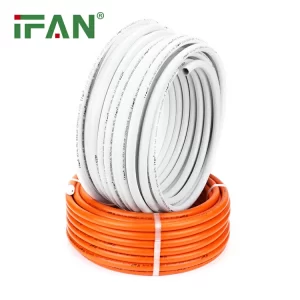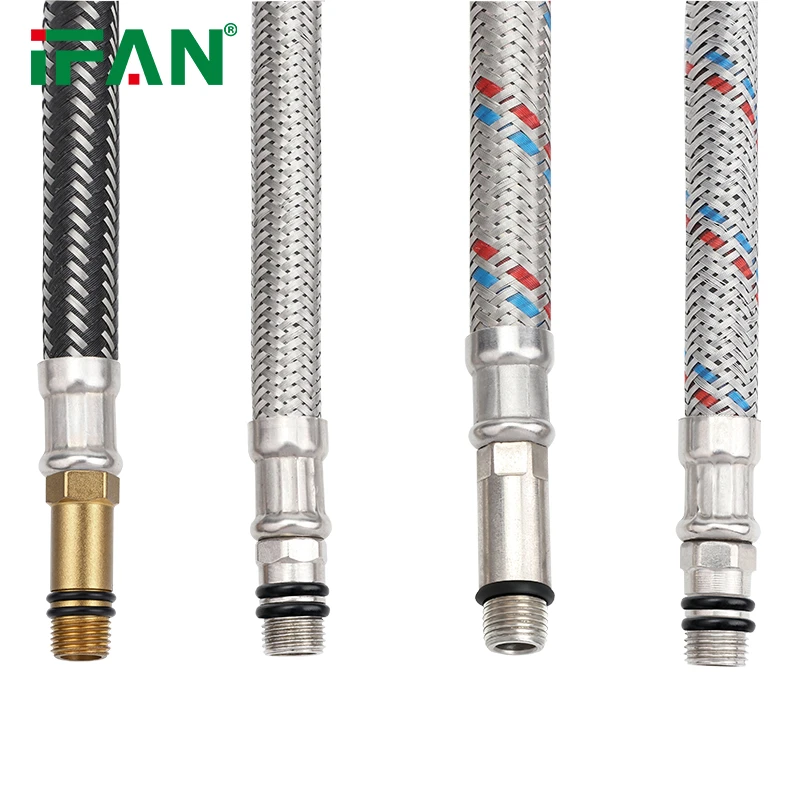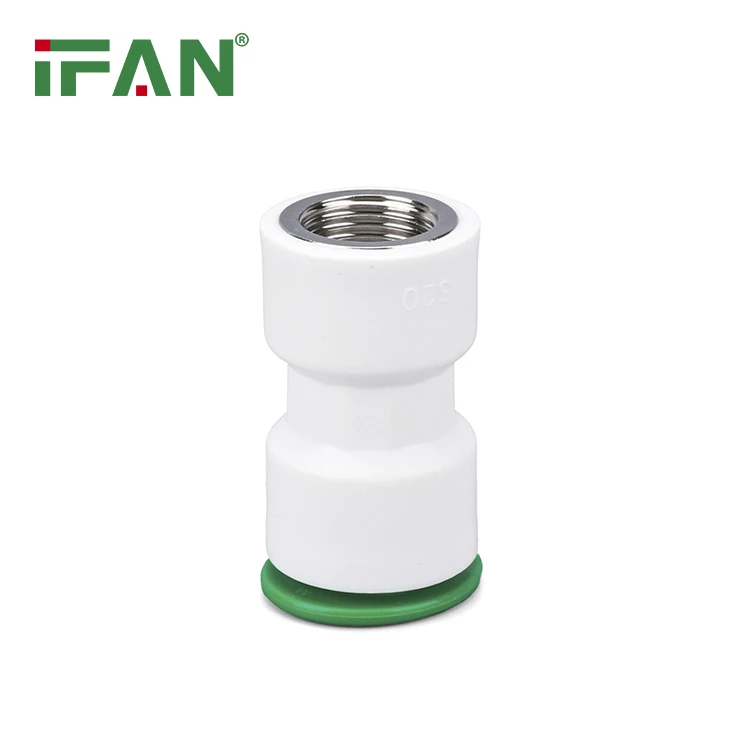
Washer braided stainless steel hoses and plastic pipes serve as critical components in plumbing and fluid transfer systems, each offering unique benefits. While braided hoses excel in flexibility and high-pressure applications, plastic pipes provide cost-effective solutions for rigid piping needs. This article compares washer braided stainless steel hoses with plastic pipes, exploring their features, applications, and practical considerations. From selection tips to installation advice, we guide you through choosing the right option for your plumbing or laundry system.
Frequently Asked Questions (FAQ)
What are washer braided stainless steel hoses?
Washer braided stainless steel hoses feature a flexible inner tube, typically rubber or PTFE, wrapped with stainless steel braiding. They connect washing machines to water supplies, handling high pressure and preventing leaks.
How do braided hoses differ from plastic pipes?
Braided hoses offer flexibility and durability for high-pressure, dynamic connections, while plastic pipes are rigid, cost-effective, and suited for fixed plumbing systems.
Where are washer braided hoses typically used?
These hoses primarily connect washing machines to water lines but also serve in plumbing, HVAC, and industrial systems requiring flexible, high-pressure connections.
Are plastic pipes better than braided hoses for home plumbing?
Plastic pipes work well for fixed water supply lines, while braided hoses are ideal for appliances like washers due to their flexibility and pressure resistance. The choice depends on the application.
How do I ensure I’m buying a quality braided hose or plastic pipe?
Check for certifications like NSF or UPC, verify material quality (e.g., 304 stainless steel or CPVC), and confirm pressure and temperature ratings match your system’s needs.
Basic Definition and Features of Braided Hoses in Plumbing Systems
Washer braided stainless steel hoses combine a flexible inner core, often EPDM rubber or PTFE, with a woven stainless steel outer layer. This design delivers strength, flexibility, and corrosion resistance, making them perfect for connecting washing machines to water supplies. Key features include:
- High Pressure Resistance: The stainless steel braiding withstands pressures up to 1500 PSI or more, preventing bursts during water surges.
- Corrosion Resistance: Stainless steel resists rust, ideal for humid environments like laundry rooms.
- Flexibility: The hoses bend easily without kinking, allowing installation in tight spaces.
- Durability: The robust construction ensures long-term reliability, even with frequent use.
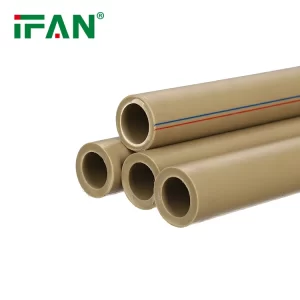
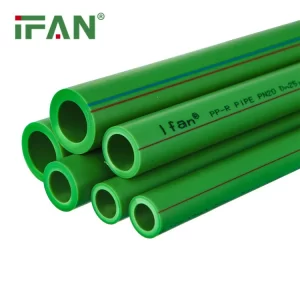
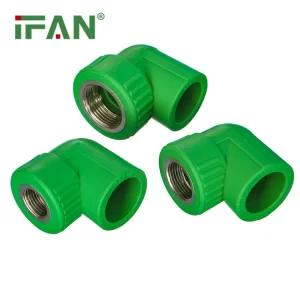
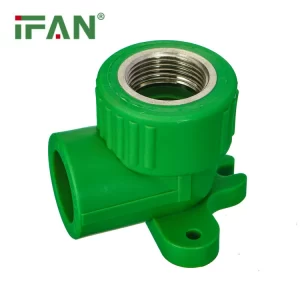
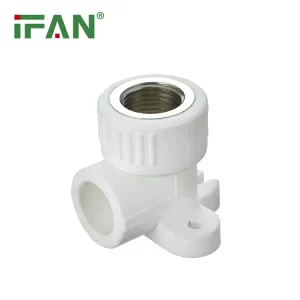
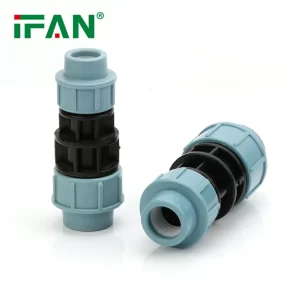
In contrast, plastic pipes, such as those made from PVC, CPVC, or PEX, are rigid and designed for fixed plumbing systems. They offer excellent corrosion resistance and affordability but lack the flexibility of braided hoses. Plastic pipes suit static water supply lines, while braided hoses excel in dynamic, high-pressure applications.
Common Uses and Industry Applications
Washer braided stainless steel hoses and plastic pipes serve distinct yet complementary roles across industries. Their primary applications include:
- Washer Braided Hoses:
- Residential Laundry: They connect washing machines to hot and cold water lines, handling pressure surges during cycles.
- Commercial Laundry: In laundromats or hotels, these hoses support heavy-duty machines with reliable, leak-free connections.
- Plumbing and HVAC: They link appliances like dishwashers or water heaters, where flexibility and pressure resistance are key.
- Industrial Systems: Some hoses handle hydraulic fluids or chemicals, thanks to their durable construction.
- Plastic Pipes:
- Residential Plumbing: PVC and CPVC pipes form the backbone of home water supply and drainage systems.
- Irrigation: Plastic pipes deliver water efficiently in landscaping and agricultural systems.
- Industrial Applications: PEX pipes handle hot and cold water in factories, while PVC manages chemical drainage.
- HVAC Systems: CPVC pipes transport refrigerants or hot water in heating and cooling systems.
Braided hoses shine in applications requiring movement or vibration resistance, while plastic pipes excel in fixed, large-scale plumbing networks. Choosing between them depends on the system’s design and requirements.
Buying Guide: Choosing the Right Washer Braided Hose or Plastic Pipe
Selecting the right product ensures performance, safety, and longevity. Here’s how to choose washer braided stainless steel hoses or plastic pipes:
- Material Quality:
- For braided hoses, opt for 304 or 316 stainless steel braiding for corrosion resistance. The inner tube should be EPDM for water or PTFE for high temperatures.
- For plastic pipes, choose PVC for drainage, CPVC for hot water, or PEX for flexible, durable water lines.
- Certifications: Look for NSF, UPC, or WRAS certifications to ensure safety for potable water or high-pressure use.
- Pressure and Temperature Ratings: Braided hoses should handle at least 1500 PSI and 200°F for washers. Plastic pipes vary—CPVC manages up to 100 PSI at 180°F, while PEX handles similar conditions with more flexibility.
- Size and Length: For hoses, select 3/8 or 1/2-inch diameters and 4–6-foot lengths for washers. For pipes, match diameters (1/2 to 2 inches) to your system’s flow requirements.
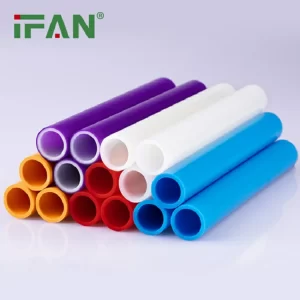
- Color and Finish: Braided hoses typically have a silver stainless steel finish, while plastic pipes come in white (PVC), cream (CPVC), or red/blue (PEX) for hot/cold water identification.
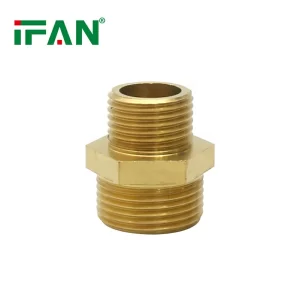
- Fittings: Ensure braided hoses have brass or stainless steel fittings compatible with your washer (e.g., 3/4-inch FHT). Plastic pipes require matching connectors, like solvent-welded fittings for PVC or crimp fittings for PEX.
- Brand Reliability: Choose manufacturers with strong reputations. Reviews and professional advice can guide your decision.
Match the product’s specifications to your project’s needs to avoid issues like leaks or insufficient pressure handling.
Installation Tips for Washer Braided Hoses and Plastic Pipes
Proper installation maximizes performance and prevents failures. Follow these tips for each:
- Washer Braided Hoses:
- Inspect First: Check for loose braiding, damaged fittings, or manufacturing defects before installation.
- Turn Off Water: Shut off the water supply and unplug the washing machine for safety.
- Use Teflon Tape: Apply thread sealant to fittings to ensure a leak-free connection.
- Avoid Twisting: Align the hose naturally to prevent stress on the braiding.
- Tighten Carefully: Use a wrench to secure fittings, but don’t over-tighten, as this can strip threads.
- Test for Leaks: Run a short cycle to check for leaks or vibrations and adjust as needed.
- Plastic Pipes:
- Measure and Cut: Use a pipe cutter for clean, straight cuts to ensure proper fitting connections.
- Deburr Edges: Smooth cut ends to prevent leaks or blockages.
- Use Proper Adhesives: For PVC/CPVC, apply solvent cement to join pipes securely. For PEX, use crimp or push-fit connectors.
- Support Pipes: Install hangers or clamps every 4–6 feet to prevent sagging or stress.
- Test the System: Run water through the system to check for leaks before finalizing the installation.
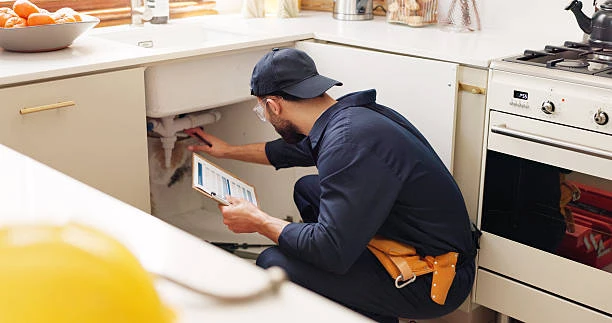
For complex setups, consult a professional to ensure compliance with local plumbing codes. Regular inspections help maintain both hoses and pipes over time.
Material Comparison: Stainless Steel Braided Hoses vs. Other Materials
Washer braided hoses come in various materials, but stainless steel is the most common. Here’s a comparison with other braided hose materials and plastic pipes:
| Feature | Stainless Steel Braided Hose | Nylon Braided Hose | Rubber Braided Hose | Plastic Pipe (PVC/CPVC/PEX) |
|---|---|---|---|---|
| Durability | Excellent; resists corrosion, wear | Moderate; UV and chemical damage | Good; but ages faster | Good; but less durable under pressure |
| Pressure Resistance | High (up to 1500 PSI) | Moderate (up to 800 PSI) | Moderate (up to 1000 PSI) | Low to moderate (100–200 PSI) |
| Temperature Range | Wide (-40°F to 200°F) | Limited (-20°F to 180°F) | Moderate (-20°F to 160°F) | Varies (PVC: 140°F; CPVC/PEX: 180°F) |
| Corrosion Resistance | Excellent; ideal for wet environments | Poor; degrades with chemicals | Moderate; vulnerable to oils | Excellent; resists most chemicals |
| Flexibility | Good; bends without kinking | Excellent; highly flexible | Good; but may kink without braiding | Rigid (PVC/CPVC); flexible (PEX) |
| Cost | Higher; but long-lasting | Low; frequent replacements needed | Moderate; varies by quality | Low to moderate; long-lasting |
Stainless steel braided hoses excel in high-pressure, dynamic applications like washers, while plastic pipes are better for fixed, cost-effective plumbing systems. Nylon and rubber hoses are less durable and suited for lower-pressure uses.
Conclusion
Washer braided stainless steel hoses and plastic pipes each offer distinct advantages for plumbing and fluid transfer. Braided hoses provide flexibility and high-pressure resistance for appliances like washing machines, while plastic pipes deliver affordability and reliability for fixed systems. By understanding their features, applications, and installation needs, you can choose the right solution for your project. Explore high-quality options at IFAN’s showroom at 4525 NW 72nd Ave, Miami, FL 33166, United States, to find the perfect braided hoses or plastic pipes for your needs.
Connect
IFAN, a Chinese manufacturer with 30 years of experience, specializes in plastic pipes, fittings, and valves. If you’re interested in IFAN’s copper fittings, copper valves, plastic pipes, or fittings, contact us today. IFAN offers a variety of standard pipes to meet your specific needs. Explore our wide range of affordable and cost-effective valve products and piping system solutions.
We reply to emails or faxes within 24 hours. For any questions about our products, call us anytime.
For more information,pls visit our webside https://waterpipefitting.com/
Pls Mailto: [email protected]
Whatsapp: +86 13325756195