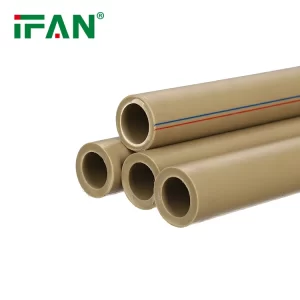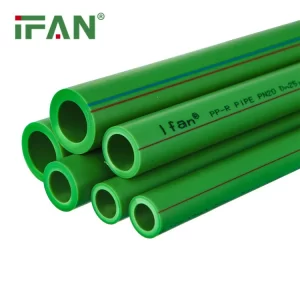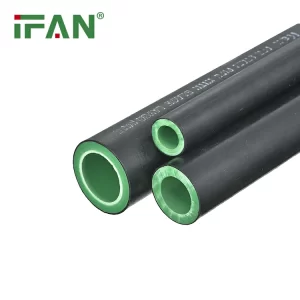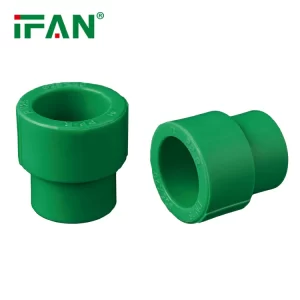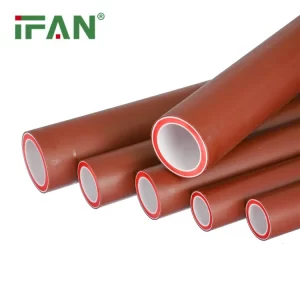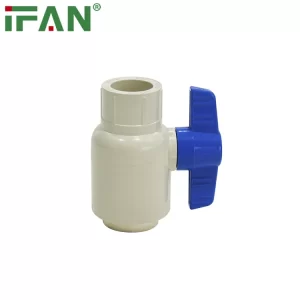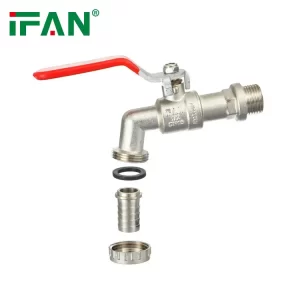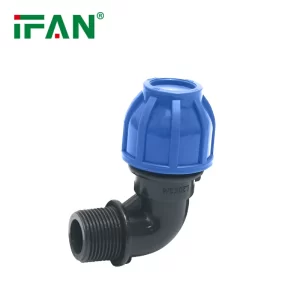
Choosing the optimal PPR pipe size for whole house water supply ensures adequate pressure, flow, and efficiency across all fixtures. Oversized pipes waste money; undersized ones cause low pressure and noise. This article guides you through sizing calculations, pressure drop formulas, and real-world examples for 1–5 bathroom homes. It includes an FAQ section, buying guide, and installation tips to prevent common mistakes. Whether you build a new home or upgrade existing plumbing, this guide delivers the exact PPR dimensions for perfect water delivery.
FAQ: Common Questions About PPR Pipe Sizing for Whole House
What is the best PPR pipe size for a 3-bathroom house?
Use 1-inch (32mm) main line from meter to manifold, 3/4-inch (25mm) to bathrooms, 1/2-inch (20mm) to individual fixtures.
How do I calculate water demand for pipe sizing?
Add fixture units (WU): toilet = 3, shower = 2, sink = 1. Convert total WU to GPM using Hunter’s method.
Does pipe length affect PPR sizing?
Yes. Add 1.5–2 psi loss per 100 feet. Longer runs need larger diameters to maintain 40–60 psi at fixtures.
Can I use the same size PPR throughout the house?
No. Main lines need larger diameter (1–1.5 inch), branches smaller (1/2–3/4 inch) for balanced flow.
What happens if PPR pipe is too small?
Low pressure at distant fixtures, water hammer, and pump cycling. Undersized mains restrict simultaneous use.
Basic Definition and Features of PPR Pipe Systems
PPR (Polypropylene Random Copolymer) pipes deliver water through heat-fused joints that eliminate leaks. Key features include:
- Smooth interior: 0.007 mm roughness reduces friction loss.
- Pressure ratings: PN16 (232 psi) and PN20 (290 psi) for residential use.
- Temperature range: -20°C to 95°C handles hot water expansion.
- 50-year lifespan: Corrosion-free design outlasts metal pipes.
These properties make PPR ideal for whole-house systems.
Common Uses and Application Industries
PPR serves various residential needs:
- Single-family homes: Main supply and branch lines.
- Apartments: Riser pipes and unit distribution.
- Luxury villas: High-flow spa showers and multiple bathrooms.
- Tiny homes: Compact 1/2-inch systems for efficiency.
- Remodeling: Easy integration with existing copper or PEX.
Its versatility covers all housing types.
Buying Guide: Selecting Optimal PPR Pipe Sizes
Size correctly with these steps:
- Calculate peak demand: Use fixture unit method (1 WU = 0.6 GPM for first 20 units).
- Determine velocity: Keep 5–8 ft/s in mains, 4–6 ft/s in branches.
- Account for pressure loss: 4–6 psi per 100 ft acceptable in PPR.
- Choose PN rating: PN16 for cold water, PN20 for mixed hot/cold.
- Verify material: 100% virgin PPR Type 3, never recycled.
- Color code: Green for cold, red stripe for hot water lines.
- Certifications: NSF/ANSI 61, UPC, CSA B137.11 for potable water.
Request pressure drop charts from manufacturers.
Installation Tips for Whole House PPR Systems
Proper installation ensures performance:
- Plan manifold layout: Central distribution reduces pipe runs.
- Size mains first: 1-inch minimum from meter, 1.25-inch for 4+ baths.
- Use home runs: 1/2-inch PPR to each fixture from manifold.
- Support every 32 inches: Prevent sagging and noise.
- Fusion at 260°C: Follow exact heating times by diameter.
- Pressure test: 100 psi for 2 hours before drywall.
- Label lines: Mark hot/cold at manifold for future service.
Never mix PPR with solvent-based glues.
Material Comparison: PPR Pipe Systems vs Other Pipe Systems
PPR outperforms alternatives for whole-house supply:
| Feature | PPR Pipe | Copper | PEX | CPVC |
|---|---|---|---|---|
| Flow Capacity (1″) | 35 GPM @ 5 ft/s | 32 GPM | 30 GPM | 28 GPM |
| Pressure Drop/100 ft | 2.8 psi | 4.5 psi | 3.8 psi | 5.2 psi |
| Installation Cost | Low (fusion) | High (solder) | Medium (crimp) | Medium (solvent) |
| Temperature Limit | 95°C | 100°C | 82°C | 82°C |
| Corrosion | None | Pitting | None | Chemical degradation |
| Lifespan | 50+ years | 50+ years | 40–50 years | 30–50 years |
| Noise | Quiet | Water hammer | Quiet | Moderate |
| Best For | Whole house | Premium visible | Retrofits | Budget hot water |
PPR delivers optimal flow with minimal pressure loss.
Conclusion
The optimal PPR pipe size for whole house water supply balances flow, pressure, and cost. Use 1–1.25 inch mains for 3+ bathrooms, 3/4-inch branches to zones, and 1/2-inch home runs to fixtures. Proper sizing eliminates low pressure and ensures simultaneous use of multiple outlets. By following demand calculations, velocity limits, and quality fusion, you build a system that performs flawlessly for decades. For perfectly sized PPR pipes and manifolds engineered for whole-house efficiency, visit IFAN at 5332 Production Dr, Huntington Beach, CA 92649, to explore factory-direct solutions tailored to your home’s needs.
Connect
IFAN is a Chinese manufacturer of plastic pipes, fittings and valves with 30 years of experience. If you are interested in IFAN copper fittings, copper valves, plastic pipes and fittings, please contact us. IFAN offers you a variety of standard pipes to meet your specific needs. Click below to learn more about IFAN’s wide range of affordable and cost-effective valve products and piping system related products.
We will reply your email or fax within 24 hours.
You can call us at any time if there is any question on our production.
For more information,pls visit our webside https://waterpipefitting.com/
Pls Mailto: [email protected]
Whatsapp: +86 13325756195