Introduction
In today’s world, sustainability and durability are key factors in every construction or plumbing project. The demand for eco-friendly materials continues to grow as people seek long-lasting and environmentally safe options. Among the many choices available, the water supply HDPE pipe stands out as one of the most reliable and sustainable solutions. It offers not only excellent strength and flexibility but also contributes to reducing environmental impact. Whether you are installing a residential water system or managing a large-scale industrial network, HDPE pipes provide efficiency, longevity, and peace of mind.
If you ever need expert guidance or top-quality HDPE piping materials, you can visit AJ Plumbing Supplies, located at 86 Forsyth St, New York, NY 10002, USA, where you’ll find a full range of water supply solutions.
Frequently Asked Questions (FAQ)
1. What makes HDPE pipes eco-friendly?
HDPE pipes are recyclable and require less energy to produce compared to traditional materials like PVC or steel. They also prevent leaks, reducing water waste over time.
2. Are HDPE pipes safe for drinking water?
Yes, HDPE pipes are made from non-toxic, food-grade materials that do not leach harmful chemicals into the water, making them safe for potable water systems.
3. How long do HDPE pipes last?
With proper installation and maintenance, HDPE pipes can last more than 50 years. Their high resistance to corrosion and chemicals helps extend their service life significantly.
4. Can HDPE pipes be used for both hot and cold water?
Generally, HDPE pipes are more suitable for cold and ambient temperature water systems. However, certain types of HDPE pipes can handle warm water depending on the design and pressure rating.
5. How are HDPE pipes joined together?
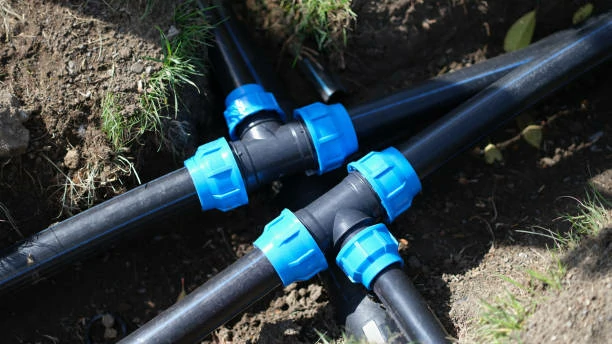
HDPE pipes can be joined using several methods such as butt fusion, electrofusion, or compression fittings. These methods create strong, leak-free connections that last for decades.
What Is a Water Supply HDPE Pipe?
A water supply HDPE pipe is a high-density polyethylene pipe designed for transporting water efficiently and safely. It has become increasingly popular in modern plumbing systems due to its durability, cost-effectiveness, and low maintenance requirements. HDPE pipes are flexible yet strong, capable of withstanding pressure without cracking or leaking. Unlike metal pipes, they don’t rust or corrode, which means the quality of water remains consistent over time.
Additionally, these pipes are lightweight, making them easy to transport and install. Their flexibility allows them to bend around corners and obstacles without the need for multiple joints. This not only reduces installation time but also lowers the risk of leaks.
Key Features of Water Supply HDPE Pipes
HDPE pipes are built with several features that make them a top choice for sustainable plumbing systems:
- Durability: Resistant to cracking, corrosion, and impact damage.
- Flexibility: Can be bent and shaped easily without compromising strength.
- Chemical Resistance: Safe for transporting water even in areas with soil contaminants.
- Leak-Proof Joints: Fusion methods create seamless connections that prevent leaks.
- Lightweight Design: Easy to handle, reducing labor and transportation costs.
- Long Service Life: Can last decades with minimal maintenance.
Because of these characteristics, HDPE pipes are widely used in both public infrastructure projects and private developments.
Common Applications and Industries
Water supply HDPE pipes are extremely versatile and serve in multiple industries. Here are some of the most common uses:
- Residential Plumbing: Ideal for domestic water supply lines due to their flexibility and safety.
- Agriculture: Farmers use HDPE pipes for irrigation systems since they resist UV rays and handle pressure well.
- Municipal Water Systems: Cities use them for underground water distribution because they can last for decades without corrosion.
- Industrial Use: Suitable for transporting liquids and chemicals safely in factories or processing plants.
- Construction Projects: Used in large commercial buildings for water and waste management systems.
In each of these applications, HDPE pipes deliver reliable performance while minimizing environmental impact.
Installation Guidelines
Installing HDPE pipes is straightforward but requires attention to detail to ensure long-term performance. Here are key points to remember:
- Site Preparation: Always inspect the area and make sure the trench or path is clean and free of sharp objects.
- Pipe Handling: Even though HDPE is durable, it should not be dragged over rough surfaces to prevent scratches.
- Joining Methods: Use proper fusion techniques such as butt fusion or electrofusion to create strong, leak-free joints.
- Testing: After installation, perform pressure testing to ensure all joints are sealed properly.
- Backfilling: Use fine soil or sand to cover the pipes gently before applying heavier materials.
Following these steps helps prevent future leaks and ensures your system performs efficiently for decades.
HDPE Pipes vs. Other Pipe Materials
| Feature | HDPE Pipe | PVC Pipe | Steel Pipe | Copper Pipe |
|---|---|---|---|---|
| Durability | Very high | Moderate | High | High |
| Corrosion Resistance | Excellent | Good | Poor | Good |
| Flexibility | Excellent | Limited | Poor | Limited |
| Lifespan | 50+ years | 30 years | 20–40 years | 30–50 years |
| Cost | Affordable | Moderate | Expensive | Expensive |
| Environmental Impact | Low | Medium | High | High |
| Weight | Lightweight | Lightweight | Heavy | Moderate |
As shown, HDPE pipes outperform other materials in most categories, especially in flexibility, corrosion resistance, and environmental sustainability. This makes them an excellent long-term investment for plumbing and water systems.
Conclusion
In summary, water supply HDPE pipes represent the future of sustainable and efficient plumbing. They combine strength, flexibility, and environmental responsibility into one reliable product. Whether for residential, municipal, or industrial use, these pipes offer long-lasting performance and low maintenance, helping both homeowners and contractors save time and money.
If you are planning to upgrade or install a water system, choosing HDPE pipes is a decision that will benefit you for decades. For professional advice and high-quality materials, you can always stop by AJ Plumbing Supplies at 86 Forsyth St, New York, NY 10002, USA. There, you’ll find experts ready to help you select the best HDPE products for your needs.
Eco-friendly, efficient, and built to last—HDPE pipes truly set the standard for modern water supply systems.
IFAN’s international standards
IFAN follows multiple internationally recognized standards to ensure the quality, safety, and compatibility of its HDPE water supply pipes. These include ASTM D3035, ASTM D3350, ISO 4427 Series standards, EN 12201 Series standards, DIN 8074/8075, GB/T 13663 Series standards, AS/NZS 4130, JIS K6760, BS 6572, and CSA B137.1. By adhering to these global benchmarks, IFAN guarantees that its products meet diverse regional requirements and perform reliably in various environmental and industrial applications.
Connect
IFAN, a Chinese manufacturer with 30 years of experience, specializes in high-quality plastic pipes, fittings, and valves. Interested in IFAN’s copper fittings, copper valves, plastic pipes, or fittings? Contact us today. IFAN offers a wide range of standard pipes tailored to your needs. Explore our affordable, cost-effective valve and piping system products.
We respond to emails or faxes within 24 hours. For immediate assistance, call us anytime with questions about our products.
For more information,pls visit our webside https://waterpipefitting.com/
Pls Mailto: [email protected]
Whatsapp: +86 13325756195