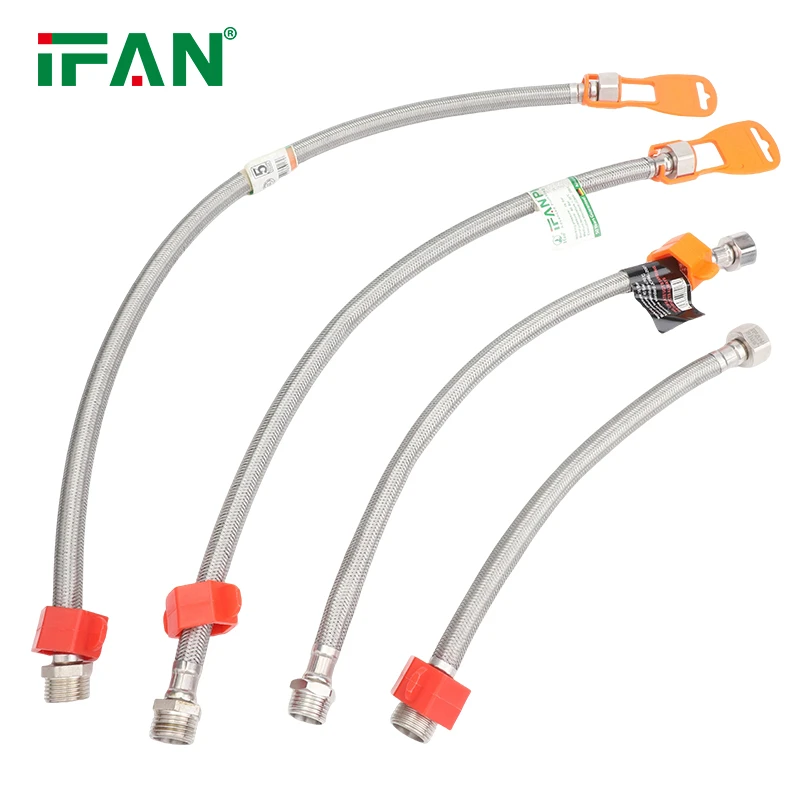
PTFE braided hoses are critical components in high-performance systems, valued for their durability and resistance to fatigue under repeated stress. Understanding fatigue life prediction methods helps ensure these hoses perform reliably in demanding applications. This article explores PTFE braided hoses, their features, applications, and how to select and install them for maximum lifespan. It includes an FAQ section, a buying guide, installation tips, and a material comparison to guide users. Whether you’re working in automotive, industrial, or aerospace sectors, this guide offers insights to optimize the performance of PTFE braided hoses.
FAQ: Common Questions About PTFE Braided Hoses
What is a PTFE braided hose?
A PTFE braided hose is a flexible tube with a polytetrafluoroethylene (PTFE) inner core reinforced by a woven outer layer, typically stainless steel or nylon, designed for fluid transfer under high pressure or extreme conditions.
Why is fatigue life prediction important for braided hoses?
Fatigue life prediction helps estimate how long a hose will last under repeated stress, such as pressure cycles or bending, ensuring safety and preventing unexpected failures in critical systems.
Are PTFE braided hoses suitable for all fluids?
PTFE’s chemical resistance makes these hoses compatible with most fluids, including fuels, oils, and corrosive chemicals. Always check the hose’s specifications for your specific fluid type.
How long do PTFE braided hoses last?
With proper selection and maintenance, these hoses can last years, even in high-stress environments. Regular inspections for wear or fatigue damage extend their lifespan.
Can I install PTFE braided hoses myself?
Yes, but it requires mechanical knowledge and proper tools. Incorrect installation can reduce fatigue life, so follow manufacturer guidelines or consult a professional for complex setups.
Basic Definition and Features of PTFE Braided Hoses
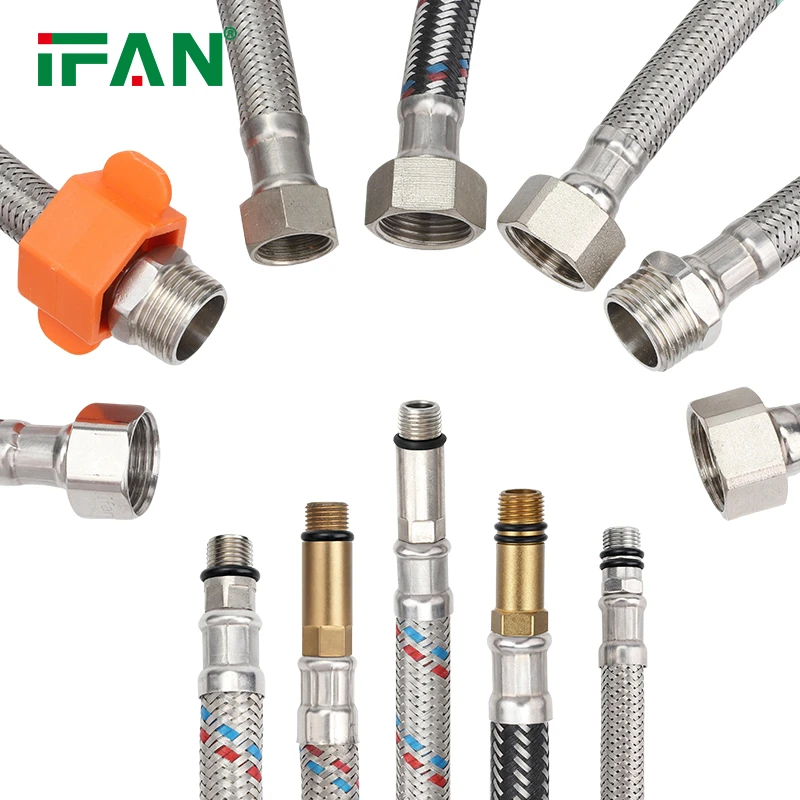
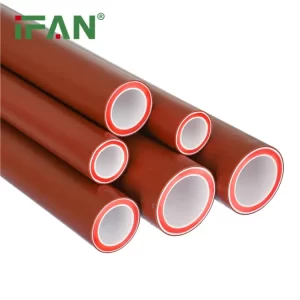
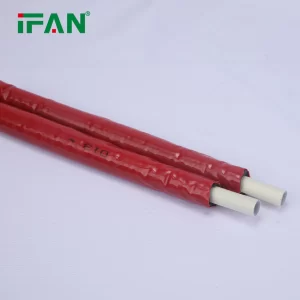
A PTFE braided hose consists of a PTFE inner tube, known for its chemical and heat resistance, surrounded by a braided layer of stainless steel, nylon, or Kevlar. This reinforcement enhances strength and fatigue resistance, making the hose ideal for high-pressure or cyclic applications. Key features include:
- Chemical resistance: PTFE withstands aggressive fluids like acids, fuels, and solvents, preventing degradation.
- High fatigue life: The braided layer distributes stress, reducing wear from repeated bending or pressure cycles.
- Temperature tolerance: PTFE hoses operate in extreme temperatures, from -70°F to 450°F, ensuring reliability in harsh conditions.
- Flexibility: Despite their strength, these hoses remain flexible for easy routing in tight spaces.
These properties make PTFE braided hoses a top choice for systems requiring durability and long fatigue life.
Common Uses and Industry Applications
PTFE braided hoses serve a wide range of industries due to their robust design and resistance to fatigue. Common applications include:
- Automotive: Used in fuel, brake, and coolant systems for high-performance vehicles, where hoses endure frequent pressure cycles and vibrations.
- Industrial: Hydraulic and pneumatic systems in manufacturing, construction, and agriculture rely on these hoses for fluid transfer under cyclic stress.
- Aerospace: Aircraft fuel and hydraulic systems use PTFE braided hoses for their lightweight design and ability to withstand extreme conditions.
- Chemical processing: These hoses transport corrosive chemicals, leveraging PTFE’s resistance to degradation and fatigue.
- Medical and pharmaceutical: Used in equipment requiring sterile fluid transfer, where durability and chemical compatibility are critical.
Their versatility and fatigue resistance make them essential for high-stakes applications.
Buying Guide: Choosing the Right PTFE Braided Hose
Selecting a PTFE braided hose involves evaluating several factors to ensure durability and fatigue resistance. Here’s what to consider:
- Material: Choose hoses with a PTFE inner core for chemical resistance and a braided layer (e.g., stainless steel or nylon) suited to your pressure and fatigue needs.
- Color: Some hoses have colored braiding, like black or silver, for aesthetics. Ensure the color doesn’t compromise material quality or performance.
- Certifications: Look for hoses meeting standards like SAE 100R14 for automotive or FDA compliance for food and medical applications to ensure safety.
- Size and fittings: Match the hose diameter and length to your system, and choose compatible fittings (e.g., AN or NPT) for secure connections.
- Pressure and fatigue rating: Verify the hose’s pressure rating and fatigue life exceed your system’s requirements to prevent premature failure.
- Manufacturer reputation: Opt for trusted brands with a history of quality and reliable fatigue performance.
Always check your system’s specifications to ensure compatibility with the hose and fittings.
Installation Tips for PTFE Braided Hoses
Proper installation is crucial for maximizing the fatigue life of PTFE braided hoses. Follow these guidelines:
- Read manufacturer instructions: Review the hose and fitting guidelines to understand specific installation and fatigue considerations.
- Use proper tools: Invest in crimping or swaging tools designed for PTFE hoses to ensure secure, fatigue-resistant connections.
- Inspect components: Check the hose for defects like frayed braiding or damaged PTFE lining before installation.
- Avoid excessive bending: Route the hose to minimize sharp bends, which can reduce fatigue life. Follow the manufacturer’s minimum bend radius.
- Secure fittings tightly: Use torque specifications to avoid over-tightening, which can stress the hose and fittings, leading to fatigue failure.
- Test the system: Gradually pressurize the system and check for leaks or signs of stress at connection points.
- Protect against abrasion: Use sleeves or clamps to prevent the hose from rubbing against surfaces, which can accelerate fatigue.
If you’re unsure about installation, consult a professional to ensure optimal performance and fatigue life.
Material Comparison: Metal Braided Hoses vs. Other Materials
The braiding material impacts a hose’s fatigue life and suitability. Below is a comparison of stainless steel braided hoses versus nylon and Kevlar:
| Feature | Stainless Steel Braided Hose | Nylon Braided Hose | Kevlar Braided Hose |
|---|---|---|---|
| Fatigue Resistance | Excellent; withstands high cyclic stress | Good; suitable for moderate cycles | Very good; better than nylon but less durable than steel |
| Weight | Heavier; less ideal for lightweight systems | Lightweight; easier to handle | Very lightweight; ideal for aerospace or racing |
| Flexibility | Moderately flexible; requires careful routing | Highly flexible; great for tight spaces | Highly flexible; similar to nylon |
| Corrosion Resistance | Superior; ideal for harsh environments | Good; suitable for humid conditions | Good; better than nylon but not as robust as steel |
| Cost | Higher due to premium materials | Affordable; budget-friendly option | Moderate; more expensive than nylon but cheaper than steel |
| Applications | Automotive, industrial, aerospace, chemical | Plumbing, automotive, light industrial | Racing, aerospace, high-performance systems |
Stainless steel offers the best fatigue and corrosion resistance, while nylon and Kevlar are lighter and more flexible for specific applications.
Conclusion
PTFE braided hoses, with their excellent fatigue life and chemical resistance, are ideal for demanding fluid transfer systems in automotive, industrial, and aerospace applications. Proper selection, installation, and fatigue life prediction methods ensure long-lasting performance. By understanding their features, applications, and material options, you can choose the right hose for your needs. For high-quality PTFE braided hoses, visit IFAN at 4525 NW 72nd Ave, Miami, FL 33166, United States, to explore durable, certified options tailored to your system.
Connect
IFAN is a Chinese manufacturer of plastic pipes, fittings, and valves with 30 years of experience. If you are interested in IFAN copper fittings, copper valves, plastic pipes, and fittings, please contact us. IFAN offers a variety of standard pipes to meet your specific needs. Click below to learn more about IFAN’s wide range of affordable and cost-effective valve products and piping system-related products.
We will reply to your email or fax within 24 hours. You can call us at any time if there is any question about our production.
For more information,pls visit our webside https://waterpipefitting.com/
Pls Mailto: [email protected]
Whatsapp: +86 13325756195