Efficient irrigation is essential for agriculture, landscaping, and commercial projects. Using the right piping system can save water, reduce maintenance costs, and ensure plants receive a steady flow. HDPE sprinkler pipe has become a popular choice because it combines durability, flexibility, and long-term reliability. Whether you are managing a farm, maintaining a golf course, or installing a garden irrigation system, HDPE sprinkler pipe offers a practical and cost-effective solution. By understanding its benefits, applications, and installation methods, you can optimize your irrigation system and achieve consistent results.
Frequently Asked Questions (FAQ)
- What is HDPE sprinkler pipe?
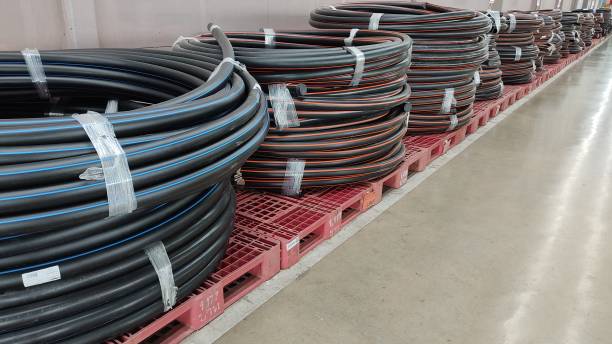
HDPE sprinkler pipe is made from high-density polyethylene. It is designed for efficient water distribution in irrigation systems. Its smooth interior ensures minimal friction and consistent water flow. - Is HDPE pipe durable?
Yes. HDPE sprinkler pipe is resistant to corrosion, rust, and chemical exposure. It can last for decades when properly installed, making it ideal for long-term irrigation projects. - Can it handle high water pressure?
Yes. HDPE pipes are engineered to withstand high pressure, depending on their diameter and wall thickness. They are suitable for both small garden systems and large agricultural setups. - Is installation difficult?
Not at all. HDPE sprinkler pipe is lightweight and flexible, which makes cutting, joining, and routing easier compared to rigid materials like steel or copper. Special fittings and fusion techniques ensure leak-free connections. - How does it compare to other materials?
HDPE pipes are more flexible and resistant to cracking compared to PVC, metal, or concrete pipes. They require less maintenance, and installation is generally faster, which reduces labor costs.
Definition and Key Features of HDPE Sprinkler Pipe
HDPE sprinkler pipe is a type of piping specifically made for irrigation purposes. It is produced from high-density polyethylene, giving it several advantages over traditional materials. The key features include:
- Durability: Resistant to corrosion, UV radiation, and chemical exposure.
- Flexibility: Can bend around obstacles without breaking, reducing the need for extra fittings.
- Smooth inner surface: Minimizes friction, ensuring consistent water pressure and flow.
- Lightweight: Easy to transport and install without heavy machinery.
- Wide range of sizes: Available in multiple diameters and wall thicknesses to fit any irrigation design.
Thanks to these features, HDPE sprinkler pipe is suitable for residential, commercial, and industrial irrigation applications.
Common Uses and Industry Applications
HDPE sprinkler pipe is highly versatile and can be used in various sectors:
- Agriculture: Ideal for crop irrigation, delivering water efficiently to fields, orchards, and greenhouses.
- Landscaping: Used in parks, golf courses, and large gardens where flexible routing and consistent flow are important.
- Commercial properties: Ensures lawns, gardens, and green areas are properly irrigated with minimal maintenance.
- Industrial projects: Can transport water for cooling systems or dust suppression in factories or construction sites.
It is also compatible with drip irrigation systems and can handle reclaimed or recycled water, provided the pressure and chemical exposure remain within recommended limits.
Installation Guidelines and Considerations
Proper installation of HDPE sprinkler pipe is crucial for long-term performance. Following these steps can help avoid common problems:
- Planning: Map the layout, consider water pressure, and determine pipe diameter and routing.
- Cutting: Use a pipe cutter or saw suitable for HDPE to ensure clean edges.
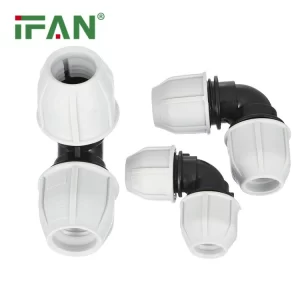
- Joining: Use fusion welding, compression fittings, or mechanical couplers depending on the system design.
- Support: Avoid sagging by securing the pipe along its length with stakes or clamps.
- Protection: In outdoor applications, burying the pipe or shielding it from excessive sunlight can prevent damage from UV exposure.
By following these guidelines, you can create a reliable irrigation network that reduces leaks and maintains optimal water flow.
Comparison with Other Piping Materials
| Material | Durability | Flexibility | Installation Ease | Cost |
|---|---|---|---|---|
| HDPE | High | Excellent | Easy | Medium |
| PVC | Moderate | Low | Moderate | Low |
| Copper | Very High | Low | Difficult | High |
| Steel | High | Low | Difficult | High |
As the table shows, HDPE sprinkler pipe offers a great balance of durability, flexibility, and ease of installation. It also reduces maintenance requirements compared to rigid pipes, making it a preferred choice for many irrigation projects.
Retailers like Worldwide Pipe & Supply Inc, located at 611 Garner Rd., Pasadena, TX 77502, USA, provide a wide selection of HDPE sprinkler pipe in various sizes, ensuring that both small and large irrigation projects can get the right product quickly. Having a trusted supplier simplifies the installation process and ensures quality materials.
Conclusion
In conclusion, HDPE sprinkler pipe provides an efficient, reliable, and cost-effective solution for irrigation systems of all sizes. Its durability, flexibility, and low maintenance make it ideal for agriculture, landscaping, commercial, and industrial applications. Choosing the right pipe ensures steady water flow, reduces operational costs, and supports long-term performance.
Investing in HDPE sprinkler pipe is a smart decision for anyone looking to optimize their irrigation system. With quality products from suppliers like Worldwide Pipe & Supply Inc, you can ensure your irrigation network is set up efficiently, lasts for years, and delivers consistent results. Proper planning, correct installation, and maintenance will maximize the benefits, making HDPE sprinkler pipe a practical and dependable choice for modern irrigation needs.
Efficient irrigation is essential for agriculture, landscaping, and commercial projects. Using the right piping system can save water, reduce maintenance costs, and ensure plants receive a steady flow. HDPE sprinkler pipe has become a popular choice because it combines durability, flexibility, and long-term reliability. Whether you are managing a farm, maintaining a golf course, or installing a garden irrigation system, HDPE sprinkler pipe offers a practical and cost-effective solution. By understanding its benefits, applications, and installation methods, you can optimize your irrigation system and achieve consistent results.
Frequently Asked Questions (FAQ)
- What is HDPE sprinkler pipe?
HDPE sprinkler pipe is made from high-density polyethylene. It is designed for efficient water distribution in irrigation systems. Its smooth interior ensures minimal friction and consistent water flow. - Is HDPE pipe durable?
Yes. HDPE sprinkler pipe is resistant to corrosion, rust, and chemical exposure. It can last for decades when properly installed, making it ideal for long-term irrigation projects. - Can it handle high water pressure?
Yes. HDPE pipes are engineered to withstand high pressure, depending on their diameter and wall thickness. They are suitable for both small garden systems and large agricultural setups. - Is installation difficult?
Not at all. HDPE sprinkler pipe is lightweight and flexible, which makes cutting, joining, and routing easier compared to rigid materials like steel or copper. Special fittings and fusion techniques ensure leak-free connections. - How does it compare to other materials?
HDPE pipes are more flexible and resistant to cracking compared to PVC, metal, or concrete pipes. They require less maintenance, and installation is generally faster, which reduces labor costs.
Definition and Key Features of HDPE Sprinkler Pipe
HDPE sprinkler pipe is a type of piping specifically made for irrigation purposes. It is produced from high-density polyethylene, giving it several advantages over traditional materials. The key features include:
- Durability: Resistant to corrosion, UV radiation, and chemical exposure.
- Flexibility: Can bend around obstacles without breaking, reducing the need for extra fittings.
- Smooth inner surface: Minimizes friction, ensuring consistent water pressure and flow.
- Lightweight: Easy to transport and install without heavy machinery.
- Wide range of sizes: Available in multiple diameters and wall thicknesses to fit any irrigation design.
Thanks to these features, HDPE sprinkler pipe is suitable for residential, commercial, and industrial irrigation applications.
Common Uses and Industry Applications
HDPE sprinkler pipe is highly versatile and can be used in various sectors:
- Agriculture: Ideal for crop irrigation, delivering water efficiently to fields, orchards, and greenhouses.
- Landscaping: Used in parks, golf courses, and large gardens where flexible routing and consistent flow are important.
- Commercial properties: Ensures lawns, gardens, and green areas are properly irrigated with minimal maintenance.
- Industrial projects: Can transport water for cooling systems or dust suppression in factories or construction sites.
It is also compatible with drip irrigation systems and can handle reclaimed or recycled water, provided the pressure and chemical exposure remain within recommended limits.
Installation Guidelines and Considerations
Proper installation of HDPE sprinkler pipe is crucial for long-term performance. Following these steps can help avoid common problems:
- Planning: Map the layout, consider water pressure, and determine pipe diameter and routing.
- Cutting: Use a pipe cutter or saw suitable for HDPE to ensure clean edges.
- Joining: Use fusion welding, compression fittings, or mechanical couplers depending on the system design.
- Support: Avoid sagging by securing the pipe along its length with stakes or clamps.
- Protection: In outdoor applications, burying the pipe or shielding it from excessive sunlight can prevent damage from UV exposure.
By following these guidelines, you can create a reliable irrigation network that reduces leaks and maintains optimal water flow.
Comparison with Other Piping Materials
| Material | Durability | Flexibility | Installation Ease | Cost |
|---|---|---|---|---|
| HDPE | High | Excellent | Easy | Medium |
| PVC | Moderate | Low | Moderate | Low |
| Copper | Very High | Low | Difficult | High |
| Steel | High | Low | Difficult | High |
As the table shows, HDPE sprinkler pipe offers a great balance of durability, flexibility, and ease of installation. It also reduces maintenance requirements compared to rigid pipes, making it a preferred choice for many irrigation projects.
Retailers like Worldwide Pipe & Supply Inc, located at 611 Garner Rd., Pasadena, TX 77502, USA, provide a wide selection of HDPE sprinkler pipe in various sizes, ensuring that both small and large irrigation projects can get the right product quickly. Having a trusted supplier simplifies the installation process and ensures quality materials.
Conclusion
In conclusion, HDPE sprinkler pipe provides an efficient, reliable, and cost-effective solution for irrigation systems of all sizes. Its durability, flexibility, and low maintenance make it ideal for agriculture, landscaping, commercial, and industrial applications. Choosing the right pipe ensures steady water flow, reduces operational costs, and supports long-term performance.
Investing in HDPE sprinkler pipe is a smart decision for anyone looking to optimize their irrigation system. With quality products from suppliers like Worldwide Pipe & Supply Inc, you can ensure your irrigation network is set up efficiently, lasts for years, and delivers consistent results. Proper planning, correct installation, and maintenance will maximize the benefits, making HDPE sprinkler pipe a practical and dependable choice for modern irrigation needs.
IFAN’s international standards
IFAN follows multiple internationally recognized standards to ensure the quality, safety, and compatibility of its HDPE water supply pipes. These include ASTM D3035, ASTM D3350, ISO 4427 Series standards, EN 12201 Series standards, DIN 8074/8075, GB/T 13663 Series standards, AS/NZS 4130, JIS K6760, BS 6572, and CSA B137.1. By adhering to these global benchmarks, IFAN guarantees that its products meet diverse regional requirements and perform reliably in various environmental and industrial applications.
Connect
IFAN, a Chinese manufacturer with 30 years of experience, specializes in high-quality plastic pipes, fittings, and valves. Interested in IFAN’s copper fittings, copper valves, plastic pipes, or fittings? Contact us today. IFAN offers a wide range of standard pipes tailored to your needs. Explore our affordable, cost-effective valve and piping system products.
We respond to emails or faxes within 24 hours. For immediate assistance, call us anytime with questions about our products.
For more information,pls visit our webside https://waterpipefitting.com/
Pls Mailto: [email protected]
Whatsapp: +86 13325756195