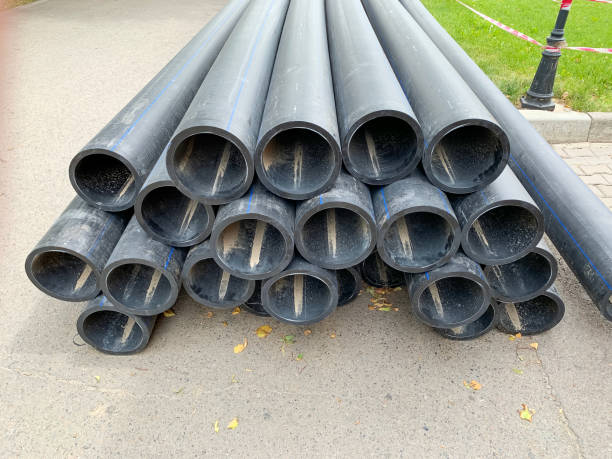
Water management is a vital part of running a successful farm. Whether you grow crops, manage orchards, or raise livestock, having a reliable irrigation system can make all the difference. Choosing the right pipe for your system is more than just picking something that carries water. It affects efficiency, cost, maintenance, and even crop yield. That’s why many farmers turn to irrigation HDPE pipe. These pipes are durable, flexible, and resistant to harsh conditions, making them a popular choice worldwide. In this guide, we’ll cover everything you need to know about picking the right irrigation HDPE pipe for your farm. From basic features to installation tips, applications, and comparisons with other pipes, we’ve got you covered.
Frequently Asked Questions (FAQ)
1. What is an irrigation HDPE pipe?
An irrigation HDPE pipe is a pipe made from high-density polyethylene. It carries water efficiently and resists corrosion, chemicals, and environmental stress.
2. Why should I choose HDPE over PVC or metal pipes?
HDPE is lightweight, flexible, and highly durable. Unlike metal, it doesn’t rust, and unlike PVC, it can handle bending without cracking.
3. How long can HDPE pipes last on a farm?
With proper care and correct installation, HDPE pipes can last up to 50 years, even under direct sunlight or varying temperatures.
4. Can I use HDPE pipes for fertilizers and chemicals?
Yes, HDPE pipes are chemical-resistant, so they can safely transport water mixed with fertilizers or other agricultural chemicals.
5. Where can I buy quality HDPE pipes in London?
You can visit Pimlico Hardware Plumbing & Electrical Supplies at 76 Lupus St, Pimlico, London, SW1V 3EL, United Kingdom, for trusted products and guidance.
Basic Definition and Features of Irrigation HDPE Pipe
At its core, an irrigation HDPE pipe is a high-density polyethylene pipe designed to carry water efficiently. Farmers value these pipes because they combine strength with flexibility. This combination allows them to withstand pressure, resist cracking, and last for decades without major maintenance.
Some key features include:
- Flexibility: These pipes bend easily, which reduces the need for multiple fittings, especially on uneven land.
- Durability: HDPE resists corrosion, cracking, and environmental wear. Even direct sunlight doesn’t degrade it quickly.
- Lightweight: Unlike metal pipes, HDPE is easy to handle and install, saving time and labor costs.
- Leak Prevention: Fewer joints and seamless connections reduce the risk of leaks.
- Chemical Resistance: These pipes handle fertilizers and other chemicals without damage.
These features make HDPE pipes suitable for almost any farm setup, whether large-scale or small-scale.
Common Uses and Applications
Irrigation HDPE pipes serve many purposes on a farm. They are used in systems that range from simple watering setups to complex, large-scale irrigation networks. Common applications include:
- Drip Irrigation Systems: HDPE pipes deliver water directly to the base of plants, ensuring precise irrigation and reducing water waste.
- Sprinkler Systems: Pipes supply water across fields evenly, helping crops grow consistently.
- Greenhouse Irrigation: Lightweight and flexible pipes are perfect for confined greenhouse spaces.
- Water Storage and Distribution: HDPE pipes transport water from storage tanks to fields efficiently.
- Livestock Watering Systems: They provide reliable water supply for animals in barns or pastures.
Additionally, these pipes are versatile enough for small plots, rooftop gardens, or urban farming projects. Their flexibility and durability make installation easier and maintenance simpler.
Installation Tips
Installing irrigation HDPE pipes might sound complicated, but it can be straightforward with proper planning. Here are some tips:
- Plan Your Layout: Map out your field, noting pipe lengths, bends, and water flow requirements. A good plan saves time and avoids mistakes.
- Cut Carefully: Use the correct pipe cutter and ensure edges are smooth to prevent leaks.
- Use Proper Fittings: Heat fusion or mechanical fittings work best for connecting pipes. Avoid makeshift connections.
- Avoid Sharp Bends: Even though HDPE is flexible, sharp angles can strain the pipe. Use gradual curves where possible.
- Secure Pipes: In sloped or windy areas, anchor pipes to prevent movement.
- Test the System: After installation, run water through all sections to check for leaks or pressure drops.
Following these steps ensures your irrigation system works efficiently and lasts for years.
Irrigation HDPE Pipe vs. Other Pipe Materials
| Feature | HDPE Pipe | PVC Pipe | Metal Pipe |
|---|---|---|---|
| Flexibility | High, easy to bend | Low, rigid | Low, hard to bend |
| Durability | Very high, UV resistant | Moderate, brittle in cold | Corrodes over time |
| Installation | Easy, lightweight | Moderate, requires fittings | Heavy, labor-intensive |
| Chemical Resistance | Excellent | Good | Poor |
| Maintenance Cost | Low | Moderate | High |
| Lifespan | 50+ years | 20-30 years | 10-25 years |
Looking at this comparison, it’s clear why many farms prefer HDPE pipes. They offer superior flexibility, durability, and cost-effectiveness.
Conclusion
Choosing the right pipe for your farm is more than just a technical decision; it impacts efficiency, costs, and crop health. Irrigation HDPE pipe provides a solution that is strong, flexible, and easy to install. It suits different irrigation systems, from drip irrigation to sprinkler networks, and holds up better than PVC or metal options.
If you are looking for high-quality irrigation HDPE pipes in London, Pimlico Hardware Plumbing & Electrical Supplies at 76 Lupus St, Pimlico, London, SW1V 3EL, United Kingdom, offers reliable products and helpful advice. With proper installation and care, these pipes can serve your farm efficiently for decades, saving water, money, and effort.
IFAN’s international standards
IFAN follows multiple internationally recognized standards to ensure the quality, safety, and compatibility of its HDPE water supply pipes. These include ASTM D3035, ASTM D3350, ISO 4427 Series standards, EN 12201 Series standards, DIN 8074/8075, GB/T 13663 Series standards, AS/NZS 4130, JIS K6760, BS 6572, and CSA B137.1. By adhering to these global benchmarks, IFAN guarantees that its products meet diverse regional requirements and perform reliably in various environmental and industrial applications.
Connect
IFAN, a Chinese manufacturer with 30 years of experience, specializes in high-quality plastic pipes, fittings, and valves. Interested in IFAN’s copper fittings, copper valves, plastic pipes, or fittings? Contact us today. IFAN offers a wide range of standard pipes tailored to your needs. Explore our affordable, cost-effective valve and piping system products.
We respond to emails or faxes within 24 hours. For immediate assistance, call us anytime with questions about our products.
For more information,pls visit our webside https://waterpipefitting.com/
Pls Mailto: [email protected]
Whatsapp: +86 13325756195