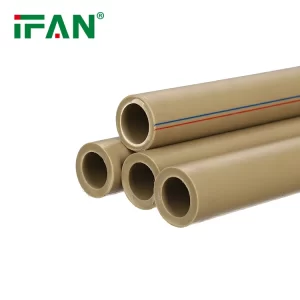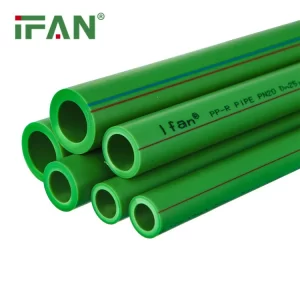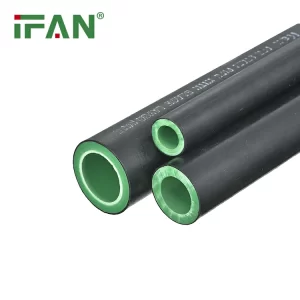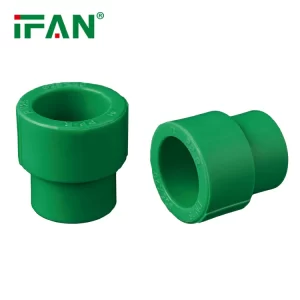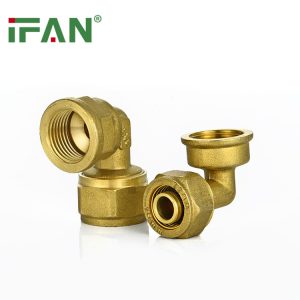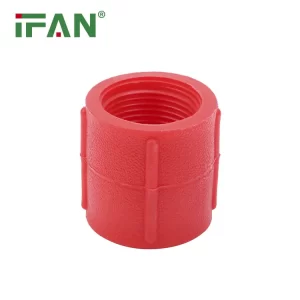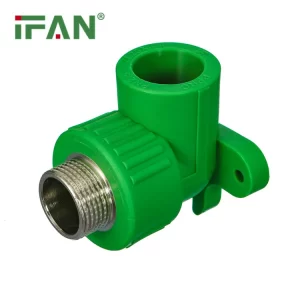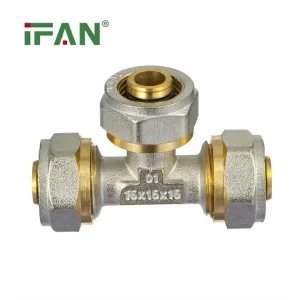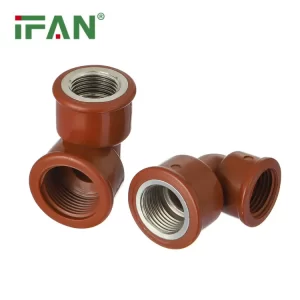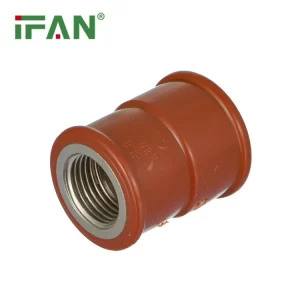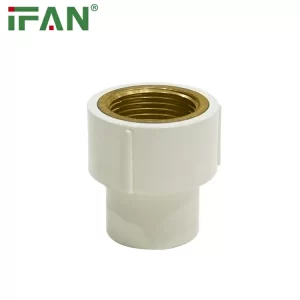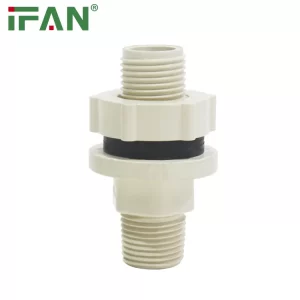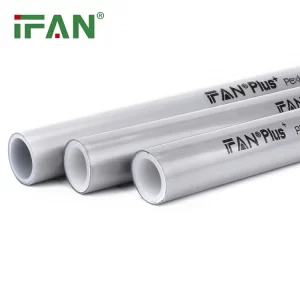
Choosing PPR (PPR-C) pipes and pprc pipe fitting that meet strict international safety standards protects your family’s drinking water and prevents costly failures for decades. This comprehensive guide explains exactly which certifications matter most, what each standard tests for, and how to verify compliance before you buy. You will discover the difference between genuine NSF/ANSI 61, ISO 15874, and DIN 8077/78 certified products versus cheap imitations that leach chemicals or burst under pressure. Never risk health or property — understand these critical safety requirements used by professional plumbers and building inspectors worldwide.
FAQ: Most Common PPR Safety Questions
Which certification proves PPR is safe for drinking water?
NSF/ANSI 61 (or NSF/ANSI 372 for lead-free) is the gold standard in North America. European equivalents include DVGW W270 and KTW.
Do all PPR pipes meet the same safety standards?
No. Only pipes made from 100% virgin Type-3 polypropylene with proper certification guarantee safety and performance.
Can non-certified PPR fittings contaminate water?
Yes. Low-quality or recycled materials can release heavy metals, VOCs, and plasticizers into drinking water.
How do I check if my pprc pipe fitting is truly certified?
Look for permanent markings on every pipe and fitting showing the standard (NSF 61, ISO 15874, etc.) plus third-party lab logos.
Is there a difference between PPR and PPR-C?
No. PPR-C (Type-3 random copolymer) is the correct technical name — all drinking-water-safe PPR is PPR-C.
Understanding PPR Pipe Systems
PPR-C (Polypropylene Random Copolymer Type-3) pipes and pprc pipe fitting join through heat fusion at 260°C to create homogeneous, leak-proof systems rated for 50+ years. Key safety-related features include:
- Zero corrosion or scaling
- No heavy metals or toxic additives in certified products
- Full pressure rating up to PN25 (362 psi at room temperature)
- Continuous 95°C hot water capability
- Excellent chemical resistance
These properties only apply when manufacturers follow strict standards.
Common Applications Requiring Certified PPR
Safety compliance matters most in:
- Residential drinking water systems
- Hospitals and healthcare facilities
- Schools and daycare centers
- Food processing plants
- High-rise residential buildings
- Municipal water distribution
Building codes in most countries mandate certified materials for these uses.
Critical Safety Standards Explained
NSF/ANSI 61 — Drinking Water System Components
Tests for chemical leaching and health effects at various temperatures. Certified products release nothing harmful into water.
NSF/ANSI 372 — Lead-Free Compliance
Limits lead content to ≤0.25%. Required in USA and Canada since 2014.
ISO 15874 — International PPR Standard
Defines material types, pressure ratings, and long-term performance (10,000-hour hydrostatic testing).
DIN 8077/8078 — German Quality Standard
The original PPR standard. Still the strictest for dimensional accuracy and pressure resistance.
DVGW W270 — Microbiological Safety
Ensures no bacterial growth on pipe walls — critical for drinking water.
SKZ or Bodycote Certification
Independent European labs that perform actual 10,000-hour pressure tests at 95°C.
Only products carrying multiple certifications guarantee full safety.
Buying Guide: Choose Certified PPR-C Every Time
Must-Have Certifications
- NSF/ANSI 61 + 372 (North America)
- ISO 15874 + DIN 8077/78 (international)
- DVGW or WRAS marking (Europe/UK)
Material Requirements
- 100% virgin BASF/Hyosung/Borealis Type-3 resin
- No recycled content in drinking water systems
- Natural (gray/green) or white color — never bright colors
Physical Markings to Check
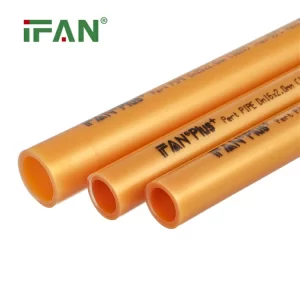
Every 1–2 meters on pipe:
- Manufacturer name
- PPR-C or Type-3 designation
- PN20 or PN25 rating
- NSF 61 / ISO 15874 / DIN logos
- Production date/code
Red Flags — Avoid These
- No permanent markings
- Price 40–60% below market
- Bright blue/red colors (often recycled)
- Missing third-party certification logos
Installation Practices for Safety Compliance
Follow these rules to maintain certification validity:
- Use only same-brand pipes and fittings
- Weld at exact 260°C — never guess temperature
- Allow full cooling time before pressure testing
- Disinfect system per local code before use
- Keep certification documents on site for inspection
Improper installation can void safety compliance.
Material Safety Comparison Table
| Standard/Criteria | Certified PPR-C | Copper | PEX | CPVC | PVC |
|---|---|---|---|---|---|
| NSF/ANSI 61 Certified | Yes | Yes | Some brands | Yes | No (drain only) |
| Lead-Free (NSF 372) | Yes | Post-2014 only | Yes | Yes | No |
| No Chemical Leaching | Complete | Possible pitting | Possible at joints | Chlorine damage | High risk |
| Bacterial Growth Resistance | Excellent (DVGW) | Good | Fair | Poor | Very poor |
| 50-Year Hydrostatic Test | Yes (ISO 15874) | Yes | No | No | No |
| Hot Water 95°C Continuous | Yes | Yes | 82°C max | 82°C max | Not rated |
Certified PPR-C leads in drinking water safety.
Why Cheap Non-Certified PPR Is Dangerous
Low-cost imports often:
- Use recycled plastic with unknown contaminants
- Contain heavy-metal stabilizers banned in Europe/USA
- Fail pressure tests after 2–5 years
- Release VOCs and plasticizers into water
- Cause building inspectors to reject installations
The few dollars saved create massive health and financial risks.
Conclusion
True safety in PPR plumbing comes only from pprc pipe fitting and pipes carrying multiple independent certifications like NSF/ANSI 61, ISO 15874, and DIN 8077/78. These standards guarantee zero harmful leaching, 50+ year performance, and full compliance with building codes worldwide. Never compromise on drinking water safety — choose products with permanent certification markings from reputable manufacturers that provide test reports on request. Protect your family and investment with properly certified PPR-C systems available at IFAN located at 5580 S Decatur Blvd #114, Las Vegas, NV 89118 — your trusted source for fully compliant, laboratory-tested materials that meet or exceed every major safety standard.
Connect
IFAN is a Chinese manufacturer of plastic pipes, fittings and valves with 30 years of experience. If you are interested in IFAN copper fittings, copper valves, plastic pipes and fittings, please contact us. IFAN offers you a variety of standard pipes to meet your specific needs. Click below to learn more about IFAN’s wide range of affordable and cost-effective valve products and piping system related products.
We will reply your email or fax within 24 hours.
You can call us at any time if there is any question on our production.
For more information,pls visit our webside https://waterpipefitting.com/
Pls Mailto: [email protected]
Whatsapp: +86 13325756195