Introduction
HDPE irrigation pipes have become an essential tool in modern agriculture because they allow farmers to deliver water efficiently, reduce wastage, and improve crop yields. Furthermore, these pipes offer durability, flexibility, and resistance to corrosion, making them suitable for a wide range of agricultural conditions. In addition, HDPE pipes adapt to varying terrain, simplify installation, and require minimal maintenance. Consequently, they help farmers maintain consistent water distribution, optimize irrigation systems, and ensure healthy plant growth. In this article, we explore the key features, applications, selection tips, installation guidelines, and advantages of HDPE irrigation pipes compared to other pipe materials.
Frequently Asked Questions (FAQ)
1. What are HDPE irrigation pipes used for?
Farmers use HDPE pipes to distribute water in crop fields, greenhouses, and gardens efficiently.
2. Why are HDPE pipes preferred over PVC or metal pipes?
HDPE pipes resist corrosion, withstand high pressure, and last longer than PVC or metal alternatives.
3. Can HDPE pipes safely irrigate crops for human consumption?
Yes, certified HDPE pipes meet safety standards for potable water and food crops.
4. How do I maintain HDPE irrigation pipes?
Regularly inspect for leaks, clean filters, and avoid physical damage to ensure long-term performance.
5. Are HDPE pipes compatible with different irrigation systems?
Yes, they work with drip, sprinkler, and surface irrigation systems due to their flexibility and durability.
Definition and Key Characteristics of HDPE Irrigation Pipes
HDPE (High-Density Polyethylene) irrigation pipes consist of a strong thermoplastic material designed for efficient water transport in agricultural settings. Moreover, HDPE pipes combine flexibility with durability, allowing farmers to install them across uneven terrains without compromising performance.
Key characteristics include:
- Durability: HDPE pipes can last up to 50 years under normal conditions.
- Corrosion resistance: Unlike metal pipes, they do not rust or degrade chemically.
- Flexibility: This allows fewer joints and easier adaptation to hilly or irregular fields.
- Lightweight: Farmers can transport and install them quickly, reducing labor costs.
- High pressure tolerance: Suitable for both low-pressure drip systems and high-pressure sprinklers.
- UV resistance: Additives protect the pipes from sunlight, ensuring longevity in outdoor conditions.
In addition, HDPE pipes require minimal maintenance, making them ideal for sustainable agriculture and long-term irrigation projects.
Common Applications and Industries
HDPE irrigation pipes serve multiple applications in agriculture and landscaping. For example, farmers use them for:
- Crop fields: To deliver water for surface irrigation, drip systems, or sprinklers.
- Greenhouses: Ensuring precise and controlled irrigation for sensitive plants.
- Nurseries and horticulture: Providing uniform watering to seedlings and potted plants.
- Landscaping and golf courses: Distributing water efficiently over large areas.
- Large-scale agricultural projects: Supporting high-value crop irrigation and government irrigation programs.
Furthermore, their adaptability allows them to function efficiently in small farms, commercial greenhouses, and large industrial agricultural settings.
Buying Guide for HDPE Irrigation Pipes
Selecting the right HDPE pipe ensures long-term efficiency and performance. Consider the following factors:
- Material grade: Ensure the pipe complies with HDPE standards for agricultural use.
- Pipe diameter: Match the diameter to the desired water flow rate and system design.
- Wall thickness: Thicker walls provide higher pressure tolerance and longer service life.
- Color: Black pipes with UV protection prevent sunlight damage for outdoor use.
- Certifications: Look for ISO, ASTM, or local agricultural water safety certifications.
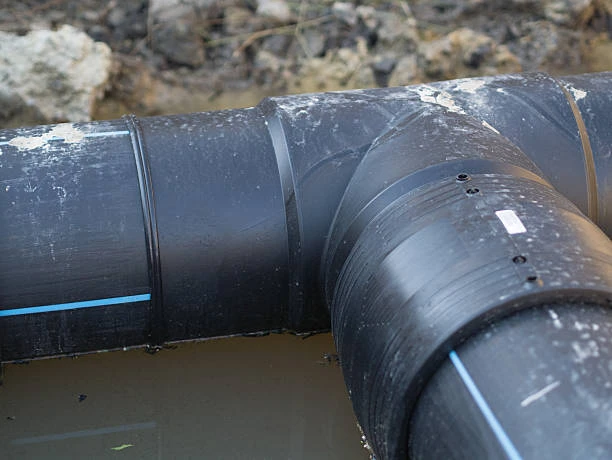
- Jointing method: Choose butt-fusion, electrofusion, or mechanical joints based on your irrigation setup.
Following these guidelines helps farmers maximize efficiency and minimize maintenance costs.
Installation Guidelines
Proper installation improves the performance and longevity of HDPE irrigation pipes. First, clear the path of debris, rocks, or sharp objects that could damage the pipe. Then, dig trenches with consistent depth and avoid sharp bends.
Next, connect the pipes using recommended jointing methods. After that, conduct a pressure test gradually to identify leaks. In addition, provide proper supports along horizontal runs to prevent sagging. Finally, leave space for inspection and maintenance.
By following these steps, farmers ensure efficient water delivery, minimize pipe damage, and achieve consistent irrigation.
HDPE Irrigation Pipes vs Other Materials
| Feature | HDPE Pipes | PVC Pipes | Metal Pipes |
|---|---|---|---|
| Durability | Very high | Moderate | Moderate to high |
| Corrosion resistance | Excellent | Good | Poor (rusts easily) |
| Flexibility | High | Low | Low |
| Weight | Lightweight | Moderate | Heavy |
| UV resistance | Excellent (with additives) | Moderate | Low |
| Installation ease | Easy | Moderate | Difficult |
| Cost | Moderate | Low | High |
| Typical applications | Agriculture, landscaping | Agriculture, irrigation | Industrial, limited farming |
As the table demonstrates, HDPE pipes outperform PVC and metal pipes in flexibility, corrosion resistance, and ease of installation. Consequently, farmers achieve higher efficiency and lower long-term costs with HDPE pipes.
Conclusion
HDPE irrigation pipes are essential for maximizing crop yield because they provide durability, flexibility, and reliable water distribution. In addition, they reduce water wastage, simplify installation, and adapt to diverse terrains. Proper selection, installation, and maintenance optimize performance and longevity. Compared to PVC or metal alternatives, HDPE pipes offer superior corrosion resistance, ease of use, and cost-effectiveness. Therefore, investing in high-quality HDPE irrigation pipes ensures sustainable, efficient, and productive agricultural operations for years to come.
IFAN’s international standards
IFAN products comply with internationally recognized standards to ensure quality, safety, and reliability. These standards include ASTM D3035 and ASTM D3350 for polyethylene pipes, ISO 4427 Series and EN 12201 Series standards for water supply systems, as well as DIN 8074/8075 and GB/T 13663 Series standards. Additionally, IFAN adheres to regional standards such as AS/NZS 4130, JIS K6760, BS 6572, and CSA B137.1, ensuring that its products meet rigorous performance and durability requirements worldwide.
Connect
IFAN, a Chinese manufacturer with 30 years of experience, specializes in high-quality plastic pipes, fittings, and valves. Interested in IFAN’s copper fittings, copper valves, plastic pipes, or fittings? Contact us today. IFAN offers a wide range of standard pipes tailored to your needs. Explore our affordable, cost-effective valve and piping system products.
We respond to emails or faxes within 24 hours. For immediate assistance, call us anytime with questions about our products.
For more information,pls visit our webside https://waterpipefitting.com/
Pls Mailto: [email protected]
Whatsapp: +86 13325756195