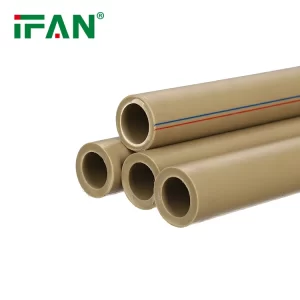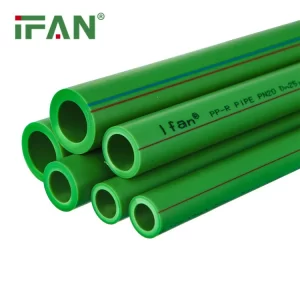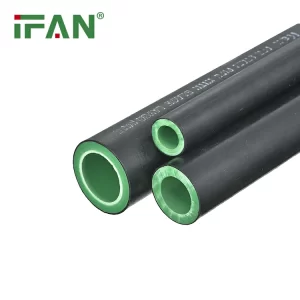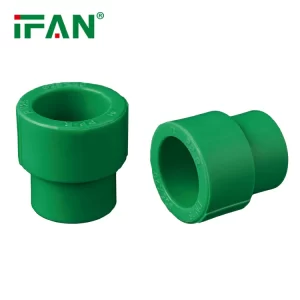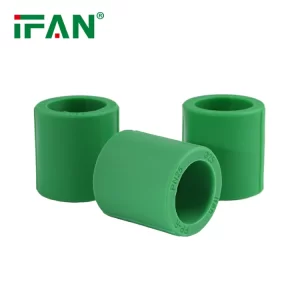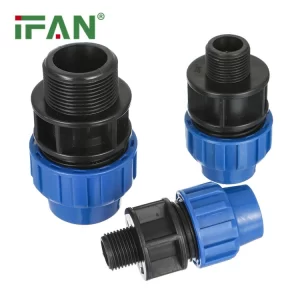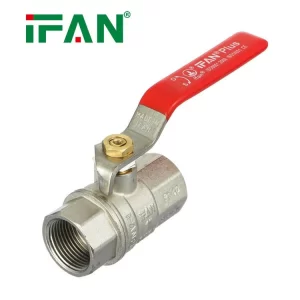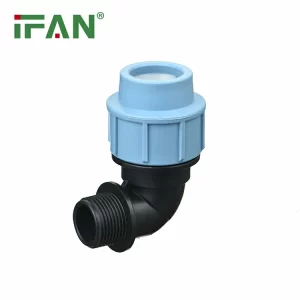
Choosing between hot water PPR pipe and PEX for plumbing can make or break your system’s performance, especially for hot water applications. PPR (Polypropylene Random Copolymer) and PEX (Cross-linked Polyethylene) both offer corrosion-free durability, but their differences in temperature tolerance, installation, and cost impact your decision. This article compares PPR and PEX head-to-head, focusing on hot water suitability. It includes an FAQ section, buying guide, and installation tips to help you pick the right material. Whether you install a new system or retrofit an old one, this guide ensures optimal plumbing performance.
FAQ: Common Questions About PPR Pipe vs PEX for Hot Water
Which is better for hot water: PPR or PEX?
PPR handles 95°C continuously with PN20 ratings, while PEX caps at 82°C. PPR excels for high-temperature systems.
Is PPR more expensive than PEX?
Yes, PPR costs 20–30% more per meter ($1.20–$2 vs $0.80–$1.50), but its rigid structure reduces fittings.
Can I use PEX fittings with PPR pipes?
No. PPR requires heat-fused fittings, while PEX uses crimp or clamp systems. Mixing causes leaks.
Which lasts longer in hot water systems?
PPR lasts 50+ years at 95°C; PEX lasts 40–50 years at 82°C with proper pressure.
Does PPR or PEX install faster?
PEX installs 20% faster due to flexible bending, but PPR’s fusion joints are more reliable for hot water.
Basic Definition and Features of PPR Pipe Systems
PPR pipes transport water through heat-fused joints, creating seamless, leak-proof systems ideal for hot water. Key features include:
- High heat tolerance: Sustains 95°C at PN20, perfect for boilers and radiant heating.
- Zero corrosion: Resists scaling and chemical degradation in hard water.
- Low thermal conductivity: 0.22 W/m·K minimizes heat loss in hot runs.
- Smooth flow: 0.007 mm roughness reduces pressure drop and noise.
These qualities make PPR a top choice for hot water plumbing.
Common Uses and Application Industries
PPR serves critical hot water applications:
- Residential hot water: Supply lines to showers, sinks, and appliances.
- Radiant floor heating: Loops for consistent warmth in cold climates.
- Commercial kitchens: Reliable hot water for restaurants and hotels.
- Solar thermal systems: Handles 90°C cycling from collectors.
- Hospitals: Delivers hygienic hot water for sterilization.
PEX fits similar roles but struggles with extreme heat.
Buying Guide: Choosing PPR or PEX for Hot Water
Select the right material with these tips:
- Temperature needs: Choose PPR for 80°C+ systems; PEX for 60–82°C.
- Material quality: Demand virgin PPR Type 3 or PEX Type B (PEX-b).
- Pressure rating: PPR PN20 or PEX 160 psi for residential hot water.
- Certifications: Require NSF/ANSI 61, CSA B137.5 (PEX), or ISO 15874 (PPR).
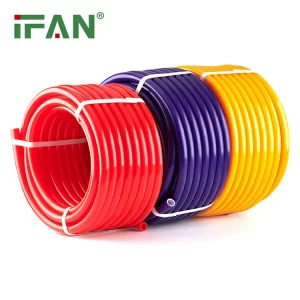
- Color coding: PPR green/white for hot, PEX red for identification.
- System compatibility: Match fittings to pipe material for leak-free joints.
Request 1,000-hour pressure test data at maximum temperature.
Installation Tips for PPR and PEX Pipes
Proper techniques ensure performance:
- PPR fusion: Heat at 260°C, 7–10 seconds by diameter; hold steady for cooling.
- PEX crimping: Use calibrated tools; check crimp rings with go/no-go gauge.
- Support spacing: PPR every 32 inches, PEX every 24 inches for hot runs.
- Insulate hot lines: 13mm foam for PPR, 19mm for PEX to prevent heat loss.
- Pressure test: 100 psi for 2 hours after 24-hour cooling for both.
- Avoid UV exposure: Cover PPR and PEX during storage to prevent degradation.
Never mix PPR and PEX fittings.
Material Comparison: PPR vs PEX vs Other Pipe Systems
PPR and PEX differ significantly:
| Feature | PPR Pipe | PEX Pipe | Copper | CPVC |
|---|---|---|---|---|
| Max Temperature | 95°C | 82°C | 100°C | 82°C |
| Pressure Rating (1″) | PN20 (290 psi) | 160 psi | Unlimited | PN10 (145 psi) |
| Thermal Expansion | 0.15 mm/mK | 0.20 mm/mK | 0.017 mm/mK | 0.07 mm/mK |
| Installation Method | Heat fusion | Crimp/clamp | Soldering | Solvent cement |
| Cost per Foot (1″) | $1.20–$2.00 | $0.80–$1.50 | $5.00–$8.00 | $0.90–$1.40 |
| Lifespan | 50+ years | 40–50 years | 50+ years | 30–50 years |
| Noise | Very low | Low | High | Moderate |
| Best For | Hot water, heating | Retrofits, cold water | Premium visible | Budget hot water |
PPR outperforms PEX for high-temperature plumbing.
Conclusion
PPR pipes shine in hot water plumbing with their 95°C tolerance, rigid structure, and seamless fusion joints, making them superior to PEX for demanding systems like radiant heating or commercial kitchens. PEX offers flexibility and lower cost but falls short at extreme temperatures. By choosing certified PPR, sizing correctly, and following proper installation, you ensure decades of reliable hot water delivery. For premium hot water PPR pipe options, visit IFAN at 5332 Production Dr, Huntington Beach, CA 92649, to explore factory-direct solutions built for peak performance.
Connect
IFAN is a Chinese manufacturer of plastic pipes, fittings and valves with 30 years of experience. If you are interested in IFAN copper fittings, copper valves, plastic pipes and fittings, please contact us. IFAN offers you a variety of standard pipes to meet your specific needs. Click below to learn more about IFAN’s wide range of affordable and cost-effective valve products and piping system related products.
We will reply your email or fax within 24 hours.
You can call us at any time if there is any question on our production.
For more information,pls visit our webside https://waterpipefitting.com/
Pls Mailto: [email protected]
Whatsapp: +86 13325756195