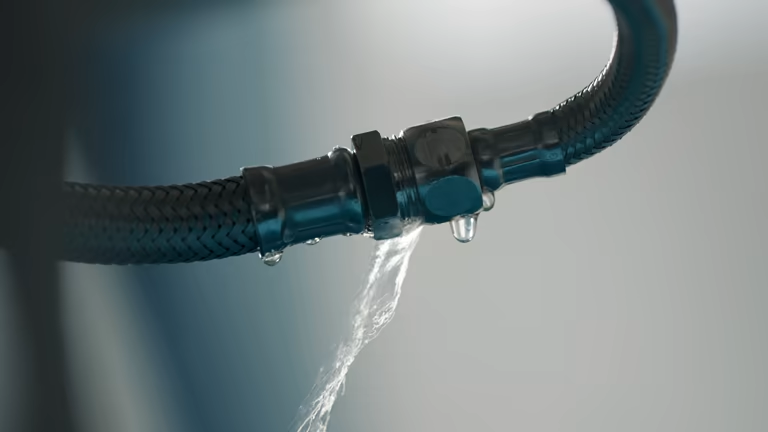
Metal braided hoses are vital for industrial systems, delivering unmatched strength and flexibility for high-pressure fluid and gas transfer. This guide dives into pressure test standards for these hoses, ensuring they meet safety and performance demands in tough environments. From their features and applications to selection tips and installation techniques, you’ll discover how to choose and maintain metal braided hoses for durability and reliability. Whether you’re managing heavy machinery or upgrading a plumbing system, this article offers practical insights, a material comparison, and answers to common questions to keep your hoses performing under extreme pressures without failure.
Frequently Asked Questions (FAQ)
1. What is a metal braided hose?
A metal braided hose is a flexible tube with a stainless steel or other metal braid encasing an inner core, typically rubber or PTFE, designed to handle high-pressure fluids or gases in industrial applications.
2. Why do metal braided hoses need pressure testing?
Pressure testing confirms the hose can withstand its rated pressure, preventing leaks or bursts in critical systems like hydraulic machinery or gas lines, ensuring safety and performance.
3. What standards govern pressure testing for metal braided hoses?
Standards like SAE J517, ISO 1402, and ASME B31.3 outline test pressures, durations, and safety margins to verify the hose’s reliability under working conditions.
4. How often should I test metal braided hoses in industrial settings?
Test new hoses before installation and retest every 6–12 months, depending on usage intensity and environmental factors, to detect wear or defects early.
5. What happens if a metal braided hose fails a pressure test?
A failed test indicates weaknesses like cracks or loose fittings, requiring immediate replacement to avoid system failures, leaks, or safety hazards.
Definition and Features of Braided Hoses in Plumbing Systems
Braided hoses, commonly used in bathroom and kitchen plumbing, consist of an inner tube—often rubber, EPDM, or PTFE—surrounded by a woven braid of stainless steel or synthetic material. These hoses connect water supply lines to fixtures like faucets, toilets, or appliances, delivering reliable fluid transfer under pressure. The braiding enhances strength, prevents kinking, and protects against external damage.
Key features include:
- High pressure resistance: They handle pressures up to 500 PSI or more, ideal for robust systems.
- Flexibility: They bend easily to navigate tight spaces without compromising flow.
- Corrosion resistance: Stainless steel braids resist rust, perfect for humid or chemical-heavy environments.
- Temperature tolerance: They manage hot and cold fluids, often up to 200°F or higher.
- Secure fittings: Pre-installed connectors ensure leak-free seals when properly installed.
While these traits excel in household plumbing, metal braided hoses extend the same principles to industrial applications, handling higher pressures and harsher fluids like hydraulic oils or gases. For example, in bathrooms, they ensure leak-free connections under sinks, while in factories, they support machinery under extreme pressure, meeting rigorous pressure test standards to prevent failures.
Common Uses and Industry Applications
Metal braided hoses shine in industries requiring durable, high-pressure fluid transfer. In manufacturing, they deliver hydraulic fluids, compressed air, or chemicals to machinery, withstanding intense pressures and vibrations. The oil and gas industry uses them for fuel or gas lines, where their strength prevents leaks in volatile settings.
In automotive applications, they serve as coolant, brake, or fuel lines, enduring engine heat and mechanical stress. Aerospace relies on them for hydraulic systems in aircraft, prioritizing precision and safety. Marine industries use metal braided hoses for fuel and water transfer on ships, leveraging their corrosion resistance against saltwater exposure.
Construction sites employ them in high-pressure water pumps or concrete sprayers, handling abrasive conditions. In HVAC systems, they manage refrigerants or hot water, adapting to temperature extremes. Each application depends on the hose’s ability to pass pressure tests, ensuring reliability in high-stakes environments. For instance, in chemical plants, they prevent costly spills, while in automotive repair, they maintain consistent performance under demanding conditions.
Selection Guide for Metal Braided Hoses
Choosing a metal braided hose that meets pressure test standards requires careful consideration. Start with the material: Stainless steel braiding (304 or 316 grade) provides excellent strength and corrosion resistance, ideal for industrial fluids like oils or chemicals. The inner tube, often PTFE for chemical resistance or EPDM for water, must suit the fluid type and temperature.
Measure the size accurately: Industrial hoses range from 1/4 to 1 inch in diameter, with lengths customized to avoid stretching or kinking. Check the pressure rating—500–3000 PSI is common for industrial use, but ensure it exceeds your system’s maximum pressure, including surge spikes. Standards like SAE J517 or ISO 1402 require burst pressures at least four times the working pressure.
Certifications are essential: Look for compliance with ASME, SAE, or ISO standards to ensure the hose meets pressure test requirements. Color options typically include silver stainless steel, though some hoses feature colored coatings for identification or UV resistance. Ensure fittings, like NPT, JIC, or flange connectors, match your system and are rated for high pressure to avoid leaks.
For quality options, visit a trusted supplier at 4525 NW 72nd Ave, Miami, FL 33166, United States, to explore hoses designed for industrial pressure demands. Always confirm manufacturer specifications to meet your system’s requirements and testing standards.
Installation and Maintenance Tips
Proper installation and maintenance ensure metal braided hoses meet pressure test standards and perform reliably. Follow these steps for a secure setup:
- Gather tools: You’ll need an adjustable wrench, PTFE tape (for gas or water), a pipe cutter, a pipe brush, and a pressure testing kit for verification.
- Inspect the hose: Check for defects like frayed braiding, dents, or damaged fittings before installation. Replace any compromised hoses to avoid pressure failures.
- Clean connections: Use a pipe brush to remove debris or old sealant from pipes and fittings to ensure a tight, leak-free seal.
- Apply thread sealant: Wrap threaded connections clockwise with 2–3 layers of PTFE tape to prevent leaks under high pressure.
- Install fittings: Hand-tighten connectors, then use a wrench for a quarter-turn. Over-tightening can damage threads, weakening the seal.
- Avoid overstretching: Install with slight slack to reduce stress on the braiding, which can compromise pressure resistance.
- Pressure test: Before full operation, test the hose at 1.5–2 times its working pressure (per standards like ISO 1402) using a pressure pump. Hold for 5–10 minutes and check for leaks with soapy water.
- Secure the hose: Use clamps or brackets to stabilize it, minimizing vibration that could loosen fittings or weaken the hose over time.
For maintenance, inspect hoses every 6–12 months for wear, corrosion, or loose fittings, especially in harsh industrial environments. Conduct pressure tests annually or after heavy use to confirm integrity. Clean with mild soap to remove chemical residue or dirt, and replace hoses showing signs of fatigue to meet safety and pressure standards. These practices keep your hoses reliable under high-pressure conditions.
Metal Braided Hose vs. Other Materials
Here’s a comparison of metal braided hoses with other materials to guide your industrial selection:
| Feature | Metal Braided Hose (Stainless Steel) | Nylon Braided Hose | Rubber Hose | PVC Braided Hose |
|---|---|---|---|---|
| Pressure Resistance | Excellent (500–3000 PSI) | Good (200–1000 PSI) | Moderate (100–500 PSI) | Good (200–800 PSI) |
| Durability | High; resists abrasion, corrosion | Moderate; wears in harsh environments | Low; degrades in chemicals, UV | Moderate; less durable than metal |
| Temperature Range | Wide (–40°F to 400°F) | Moderate (0°F to 200°F) | Limited (0°F to 180°F) | Moderate (20°F to 150°F) |
| Flexibility | Good; bends without kinking | High; very flexible but less durable | High; prone to kinking | Moderate; less flexible than rubber |
| Corrosion Resistance | Excellent; ideal for chemicals, moisture | Moderate; degrades in harsh settings | Poor; deteriorates in wet conditions | Good; but weaker against chemicals |
| Cost | Higher; long-term value | Affordable; shorter lifespan | Low; frequent replacements needed | Affordable; moderate lifespan |
| Industrial Suitability | Ideal for high-pressure systems, chemicals | Decent for low-pressure tasks | Poor; not suited for industrial demands | Good for light industrial, water-based |
Metal braided hoses outperform others in high-pressure industrial applications, meeting stringent pressure test standards with superior strength and durability.
Conclusion
Metal braided hoses are essential for safe and reliable high-pressure fluid transfer in industrial systems, provided they meet rigorous pressure test standards like SAE J517 or ISO 1402. By selecting hoses with the right materials, installing them carefully, and maintaining them with regular inspections and tests, you ensure leak-free performance in demanding environments. Whether in manufacturing, automotive, or chemical processing, these hoses deliver unmatched reliability. For high-quality options, visit a trusted supplier at 4525 NW 72nd Ave, Miami, FL 33166, United States, to find hoses built for industrial pressures. With proper care and testing, your metal braided hoses provide long-lasting, safe operation, keeping your systems efficient and secure.
Connect
IFAN is a Chinese manufacturer of plastic pipes, fittings, and valves with 30 years of experience. If you’re interested in IFAN copper fittings, copper valves, plastic pipes, or fittings, please contact us. IFAN offers a variety of standard pipes to meet your specific needs. Click below to learn more about IFAN’s wide range of affordable and cost-effective valve products and piping system-related products.
We will reply to your email or fax within 24 hours.
You can call us at any time if you have any questions about our products.
For more information,pls visit our webside https://waterpipefitting.com/
Pls Mailto: [email protected]
Whatsapp: +86 13325756195