Metal braided hoses represent engineering marvels that combine multiple materials to create exceptionally durable and versatile fluid transfer solutions. The material composition of these hoses directly determines their performance characteristics, lifespan, and suitability for specific applications. Understanding the different materials used in metal braided hoses helps professionals and consumers select the right products for their unique requirements. This comprehensive guide explores the various materials that make up metal braided hoses, examines how material choices impact performance across different industries, and answers common questions about material selection and compatibility. By learning about hose materials, you can make informed decisions that ensure safety, efficiency, and cost-effectiveness in your operations.
Understanding Metal Braided Hose Materials
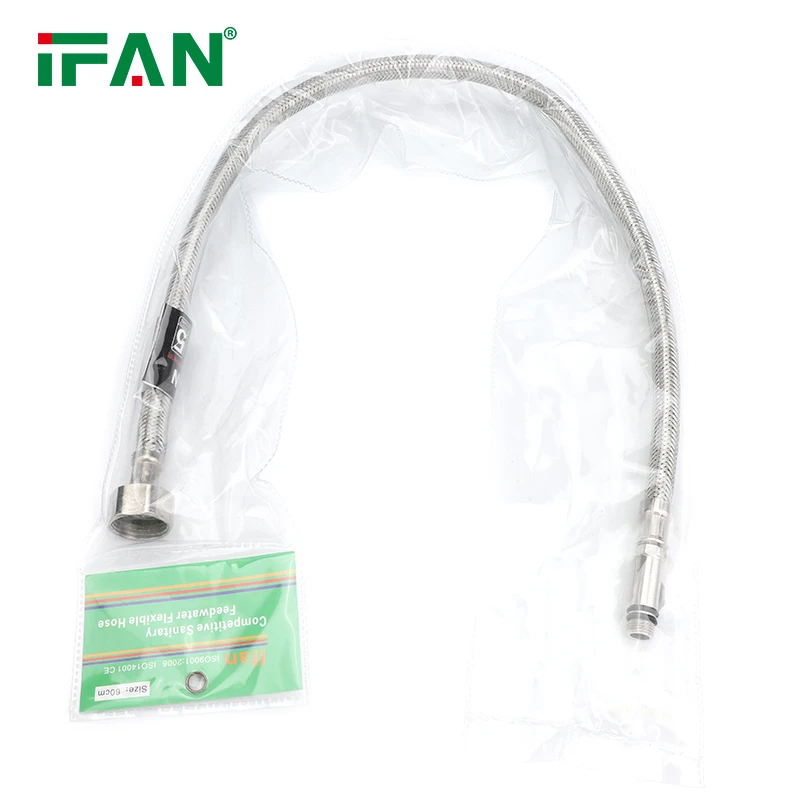
Metal braided hoses feature a multi-layer construction where each material serves a specific purpose in ensuring optimal performance. The inner core, typically made from materials like PTFE (Teflon), EPDM rubber, NBR, or PVC, creates a seamless channel for fluid transfer while providing chemical compatibility with the conveyed medium. The braiding layer, usually crafted from stainless steel, galvanized steel, or sometimes copper alloys, adds mechanical strength and protects against external damage. The end fittings, commonly made from brass, stainless steel, or plated steel, ensure secure connections to equipment and piping systems. Each material contributes specific properties that collectively define the hose’s capabilities and limitations.
The choice of materials significantly influences the hose’s performance characteristics. Stainless steel braiding, particularly grades 304 and 316, offers excellent corrosion resistance and strength, making it suitable for demanding industrial applications. The inner core material determines chemical compatibility, with PTFE handling aggressive chemicals and extreme temperatures, while EPDM works well for hot water and steam applications. Brass fittings provide good corrosion resistance for general purposes, while stainless steel fittings offer superior performance in corrosive environments. Material thickness and braiding density affect pressure ratings and flexibility, with tighter braiding patterns typically supporting higher pressure capacities. These material combinations create hoses that can withstand pressures up to 10,000 PSI in some specialized applications while maintaining flexibility and durability.
Common Applications and Industry Uses
Different material combinations make metal braided hoses suitable for diverse applications across multiple industries. In automotive and transportation systems, hoses with NBR inner cores and stainless steel braiding handle fuel, oil, and hydraulic fluids effectively. The manufacturing industry relies on PTFE-core hoses with 316 stainless steel braiding for chemical transfer and processing applications. Food and beverage facilities use hoses with food-grade EPDM or silicone cores and stainless steel braiding that meets FDA and USDA standards for sanitary applications. These material specifications ensure compliance with industry regulations while providing reliable performance.
Industrial and specialized applications demand specific material combinations to meet unique operational requirements. Hydraulic systems in construction equipment utilize hoses with synthetic rubber cores and high-tensile steel braiding to withstand extreme pressures and mechanical stress. Pharmaceutical and biotechnology applications require USP Class VI certified materials that ensure product purity and withstand sterilization processes. Semiconductor manufacturing employs ultra-pure PTFE hoses with electropolished stainless steel braiding to prevent contamination in critical processes. Marine and offshore applications use hoses with enhanced corrosion-resistant materials to handle saltwater exposure. Even in residential applications, material choices matter, with stainless steel braided supply lines using EPDM cores providing reliable performance for plumbing fixtures. Each industry benefits from material combinations specifically engineered to address their unique challenges and requirements.
Frequently Asked Questions (FAQ)
1. What is the difference between 304 and 316 stainless steel braiding?
304 stainless steel provides good corrosion resistance for general applications, while 316 stainless steel offers superior resistance to chlorides and corrosive chemicals, making it ideal for marine, chemical processing, and outdoor applications where exposure to corrosive elements is expected.
2. How do I choose the right inner core material for my application?
Consider the chemical compatibility, temperature range, and pressure requirements of your application. PTFE works for aggressive chemicals and high temperatures, EPDM suits hot water and steam, NBR handles petroleum-based fluids, and silicone works well for food and pharmaceutical applications where purity is crucial.
3. Can metal braided hoses handle both high pressure and high temperature?
Yes, but the specific capabilities depend on the material combination. PTFE cores with stainless steel braiding typically handle the most extreme conditions, with some specialized hoses rated for temperatures up to 450°F and pressures exceeding 5,000 PSI, though standard hoses usually have lower ratings.
4. Are there food-grade metal braided hoses available?
Absolutely. Food-grade metal braided hoses use FDA-approved materials like food-grade stainless steel braiding and inner cores made of platinum-cured silicone or FDA-compliant EPDM. These hoses typically carry relevant certifications to ensure they meet food safety standards.
5. What materials provide the best value for general industrial use?
For general industrial applications, hoses with EPDM or NBR inner cores and 304 stainless steel braiding typically offer the best balance of performance and cost-effectiveness. These materials provide good chemical resistance, durability, and pressure capacity for most common industrial fluids and operating conditions.
Conclusion
The material composition of metal braided hoses plays a crucial role in determining their performance, longevity, and suitability for specific applications. Understanding the properties of different braiding materials, core components, and fitting options enables users to select hoses that precisely match their operational requirements. The right material combination ensures safety, reliability, and cost-effectiveness across diverse applications, from simple residential plumbing to complex industrial processes. As material science advances, we continue to see innovations in hose construction that expand their capabilities and applications. By considering factors like chemical compatibility, temperature ranges, pressure requirements, and environmental conditions, users can optimize their hose selections for both performance and economy. The investment in properly specified metal braided hoses ultimately pays dividends through reduced downtime, improved safety, and longer service life in any application.
Your Premier Plumbing & Hardware Destination is Here!
We’re thrilled to announce our new store is now open! Discover a vast selection of high-quality pipes, durable valves, and professional-grade tools. Whether you’re a DIY enthusiast or a professional contractor, we have everything you need for your plumbing and hardware projects.
Enjoy special opening discounts, expert advice, and top-notch products that guarantee reliability. Don’t miss out – visit us today and tackle any project with confidence!
To celebrate our anniversary, we’re offering a “Quality at Your Fingertips” free trial! From now until October 12th, visit us and try a range of our signature products, such as premium waterproofing tape and faucet aerators, for free to experience their exceptional performance. During this promotion, all items are discounted! Come visit Plumbline Hardware Stores Ltd. and let our high-quality products speak for themselves, helping you create a more convenient and comfortable home. We look forward to seeing you!
Address: Plumbline Hardware Stores 4898 Pinchelone Street
IFAN’s international standards
IFAN products comply with a wide range of international standards, including ASTM 2846, DIN 8079/8080, ASTM F441/F441M SCH80, GB/T 18993 series, AS/NZS 1477, CSA B137.6, NSF/ANSI 14, and TIS 17-2532/1131-2535. These certifications ensure that our pipes and fittings meet global quality, safety, and performance requirements.
Connect
IFAN, a Chinese manufacturer with 30 years of experience, specializes in high-quality plastic pipes, fittings, and valves. Interested in IFAN’s copper fittings, copper valves, plastic pipes, or fittings? Contact us today. IFAN offers a wide range of standard pipes tailored to your needs. Explore our affordable, cost-effective valve and piping system products.
We respond to emails or faxes within 24 hours. For immediate assistance, call us anytime with questions about our products.
For more information,pls visit our webside https://waterpipefitting.com/
Pls Mailto: [email protected]
Whatsapp: +86 13325756195