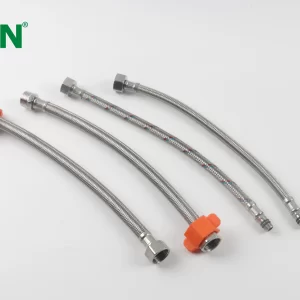
Wire braided hoses serve critical functions across industries. Their performance depends heavily on materials. Choosing the right materials ensures reliability and longevity. This article explores the various materials used. We examine their properties and applications. Understanding these details helps in selection. It also improves system performance and safety.
The Core Inner Tube Materials
The inner tube contacts the fluid directly. It must resist chemical attack and wear. Nitrile rubber is a common choice. It handles petroleum-based oils well. Thermoplastic materials like nylon are popular too. They offer excellent chemical resistance. PTFE tubes work for aggressive chemicals. Each material has specific advantages. Selection depends on the fluid type.
Wire Braid Reinforcement Options
Steel is the traditional braiding material. It provides superior strength and durability. Stainless steel offers corrosion resistance. It costs more but lasts longer. Some applications use synthetic fibers. Aramid fibers provide strength without metal. They are lighter and non-conductive. Copper-plated steel improves corrosion resistance. Material choice affects pressure capacity.
Outer Cover Protection Materials
The cover shields the hose from damage. It resists abrasion, weather, and chemicals. Neoprene rubber is a standard option. It performs well in outdoor conditions. Polyurethane covers offer excellent abrasion resistance. They work well in tough industrial environments. Some covers include weather resistance additives. UV stabilizers prevent sun damage. The cover must match the operating environment.
Temperature Resistance Considerations
Materials must withstand operating temperatures. Synthetic rubbers handle moderate heat. Silicone tubes work in higher temperatures. They remain flexible when hot. Steel braids maintain strength when heated. Some materials become brittle in cold. Choose materials for your temperature range. Extreme temperatures require special compounds.
Chemical Compatibility Factors
Chemical resistance is crucial for longevity. The inner tube must resist fluid attack. Hydraulic oil requires oil-resistant materials. Fuel hoses need special compounds. Acids and solvents demand unique materials. Manufacturers provide compatibility charts. Always check chemical resistance before selection. Material failure causes system damage.
Pressure Rating and Material Strength
Materials determine pressure capacity. Stronger braids handle higher pressures. Steel provides the highest strength. Synthetic braids work for medium pressures. The inner tube must contain the pressure. Thicker tubes generally handle more pressure. Material quality affects performance greatly. Always check pressure ratings before use.
Flexibility and Material Choices
Flexibility affects installation and use. Rubber materials remain flexible over time. Thermoplastic tubes can be very flexible. Braid pattern influences flexibility too. Tighter braids reduce flexibility. Looser braids allow more bending. Balance flexibility with strength needs. The application determines the right balance.
Weight Considerations
Material choices affect hose weight. Steel braids add significant weight. Synthetic braids are much lighter. Weight matters in mobile applications. Lighter hoses are easier to handle. They reduce system weight overall. Consider weight during material selection.
Cost and Performance Balance
Materials impact product cost significantly. Stainless steel costs more than regular steel. Special compounds increase prices too. Balance performance needs with budget. Sometimes premium materials save money long-term. They reduce maintenance and replacement costs. Consider total cost of ownership.
Environmental Impact Materials
Environmental concerns influence material choices. Some users prefer recyclable materials. Synthetic materials can be eco-friendly. Lead-free compounds are available now. Manufacturers develop greener options. Consider environmental regulations in your area.
Certification and Standards
Materials must meet industry standards. SAE specifications cover hydraulic hoses. ISO standards provide international guidelines. FDA approvals matter for food applications. Certifications ensure material quality. Always check for relevant certifications.
Manufacturing Process Effects
Material processing affects final quality. Extrusion consistency matters for tubes. Braiding tension affects strength. Curing processes impact durability. Quality manufacturers control processes carefully. Good processes ensure consistent quality.
Maintenance and Material Durability
Durable materials reduce maintenance needs. Weather-resistant covers last longer. Chemical-resistant tubes need less replacement. Choose materials for your maintenance schedule. Quality materials save time and money.
Failure Analysis and Materials
Understanding failures helps material selection. Abrasion damage suggests better cover needed. Chemical attack indicates wrong tube material. Braid corrosion requires better protection. Analyze failures to improve future choices.
Future Material Developments
New materials emerge regularly. Nanocomposites offer better properties. Smart materials with sensors are developing. Environmental pressures drive innovation. Stay informed about new options.
Application-Specific Materials
Different applications need different materials. Construction equipment needs abrasion resistance. Food processing requires FDA-approved materials. Marine applications need corrosion resistance. Choose materials for your specific use.
Supplier Material Transparency
Good suppliers provide material information. They share composition and specifications. Transparency builds trust. Choose suppliers who communicate clearly.
Testing and Validation
Test materials under your conditions. Check flexibility at temperature extremes. Verify chemical resistance with your fluids. Testing prevents problems later.
Conclusion
Material choice is crucial for hose performance. Consider all factors together. Balance cost with performance needs. Choose quality materials from good suppliers. Your systems will perform better and last longer.
IFAN’s international standards
IFAN products comply with a wide range of international standards, including ASTM 2846, DIN 8079/8080, ASTM F441/F441M SCH80, GB/T 18993 series, AS/NZS 1477, CSA B137.6, NSF/ANSI 14, and TIS 17-2532/1131-2535. These certifications ensure that our pipes and fittings meet global quality, safety, and performance requirements.
Connect
IFAN, a Chinese manufacturer with 30 years of experience, specializes in high-quality plastic pipes, fittings, and valves. Interested in IFAN’s copper fittings, copper valves, plastic pipes, or fittings? Contact us today. IFAN offers a wide range of standard pipes tailored to your needs. Explore our affordable, cost-effective valve and piping system products.
We respond to emails or faxes within 24 hours. For immediate assistance, call us anytime with questions about our products.
For more information,pls visit our webside https://waterpipefitting.com/
Pls Mailto: [email protected]
Whatsapp: +86 13325756195