Quality assurance through rigorous testing forms the foundation of reliable reinforced braid hose performance across numerous industrial applications. Manufacturers and quality control professionals implement comprehensive testing protocols to verify these hoses meet required standards for pressure capacity, temperature resistance, durability, and safety. From raw material verification to final product validation, testing ensures reinforced braid hoses perform consistently under various operating conditions. This complete guide examines the essential testing procedures for reinforced braid hoses, covering standard industry tests, specialized performance evaluations, and quality verification methods. We will explore how proper testing protects users, ensures regulatory compliance, and maintains product reliability throughout the service life of these essential fluid transfer components.
Basic Definition and Key Characteristics
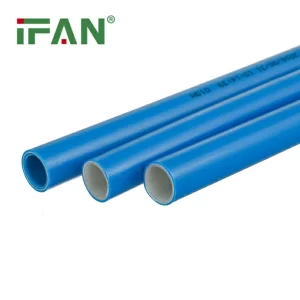
Reinforced braid hoses consist of an inner tube, reinforcement layer, and outer cover working together to create durable, flexible conduits for fluid transfer. The inner tube provides chemical compatibility with conveyed media, while the braided reinforcement layer offers structural strength and pressure resistance. Manufacturers typically use synthetic fibers, steel wire, or textile braids for reinforcement depending on application requirements. These hoses demonstrate excellent pressure resistance, good flexibility, and reliable performance across various temperature ranges. Testing protocols must verify all these characteristics while ensuring consistency in manufacturing quality. The reinforced structure requires specific testing approaches that evaluate both individual components and complete assembly performance. Quality assessments typically begin with material certification, continue through production monitoring, and conclude with finished product validation.
Frequently Asked Questions (FAQ)
1. What pressure testing standards apply to reinforced braid hoses?
Manufacturers conduct several pressure tests to ensure hose reliability. Burst pressure tests determine the maximum pressure the hose can withstand before failure. Proof pressure tests verify performance at pressures exceeding normal operating levels. impulse testing simulates pressure cycling to evaluate fatigue resistance. These tests follow international standards such as SAE J343 and ISO 1436 to ensure consistent results. Pressure testing always includes careful examination for leaks, bulges, or other signs of weakness during and after testing.
2. How do we test reinforcement integrity and braid quality?
Reinforcement testing involves both visual and mechanical evaluation methods. technicians examine braid pattern consistency and strand spacing under magnification. They conduct tensile tests on reinforcement materials to verify strength characteristics. Bend testing evaluates how the reinforcement maintains integrity during flexion. crush testing determines reinforcement protection against external forces.
3. What environmental tests ensure performance under various conditions?
Environmental testing includes temperature resistance evaluations at both high and low extremes. technicians test flexibility after temperature exposure to ensure materials maintain their properties. UV resistance testing determines outdoor durability for exposed applications. ozone resistance testing evaluates performance in industrial atmospheres. Fluid compatibility testing assesses resistance to various chemicals and oils.
4. How should we test end fitting security and connection integrity?
End fitting testing involves several verification methods. Pull-out tests determine the force required to separate fittings from the hose. Pressure testing with fittings installed validates connection integrity under operating conditions. Vibration testing simulates real-world conditions to evaluate fitting retention. technicians also examine fitting materials for corrosion resistance and proper installation.
5. What quality control tests ensure manufacturing consistency?
Quality control begins with raw material certification and continues through production. Dimensional checks verify inner diameter, outer diameter, and wall thickness consistency. Visual inspection identifies surface defects, braid irregularities, or contamination. Flexibility testing ensures proper movement characteristics. marking permanence verification checks legibility and durability. manufacturers also conduct sample testing from each production batch to maintain consistent quality standards.
Common Uses and Application Industries
Testing requirements for reinforced braid hoses vary significantly across different industries and applications. Automotive and transportation applications require rigorous testing for fuel, brake, and hydraulic systems. Industrial manufacturing needs comprehensive pressure and chemical resistance testing for machinery and equipment. Aerospace applications demand extreme temperature and vibration testing for critical systems. Marine and offshore industries require corrosion resistance and seawater compatibility testing. Construction equipment needs abrasion resistance and flexibility testing for hydraulic applications. Each industry has specific testing protocols that ensure hoses meet regulatory requirements and perform reliably in their intended environments. Testing laboratories develop customized evaluation programs that address these unique requirements while maintaining compliance with international standards and specifications.
Conclusion
In summary, comprehensive testing forms the essential foundation for ensuring reinforced braid hose performance and reliability. From basic pressure validation to specialized environmental testing, these evaluation protocols protect users and ensure products meet their intended purposes. Different applications require tailored testing approaches that address specific operational challenges and regulatory requirements. As technology advances, testing methods continue to evolve, providing more accurate predictions of long-term performance and service life. Manufacturers who implement rigorous testing protocols deliver superior products that build customer trust and ensure satisfaction. The future of reinforced braid hose testing will likely incorporate more sophisticated monitoring technologies and predictive analysis methods. These advancements will further enhance product reliability and performance across numerous applications and industries, ensuring these essential components continue to meet evolving industrial demands.
IFAN’s international standards
IFAN products comply with a wide range of international standards, including ASTM 2846, DIN 8079/8080, ASTM F441/F441M SCH80, GB/T 18993 series, AS/NZS 1477, CSA B137.6, NSF/ANSI 14, and TIS 17-2532/1131-2535. These certifications ensure that our pipes and fittings meet global quality, safety, and performance requirements.
Connect
IFAN, a Chinese manufacturer with 30 years of experience, specializes in high-quality plastic pipes, fittings, and valves. Interested in IFAN’s copper fittings, copper valves, plastic pipes, or fittings? Contact us today. IFAN offers a wide range of standard pipes tailored to your needs. Explore our affordable, cost-effective valve and piping system products.
We respond to emails or faxes within 24 hours. For immediate assistance, call us anytime with questions about our products.
For more information,pls visit our webside https://waterpipefitting.com/
Pls Mailto: [email protected]
Whatsapp: +86 13325756195