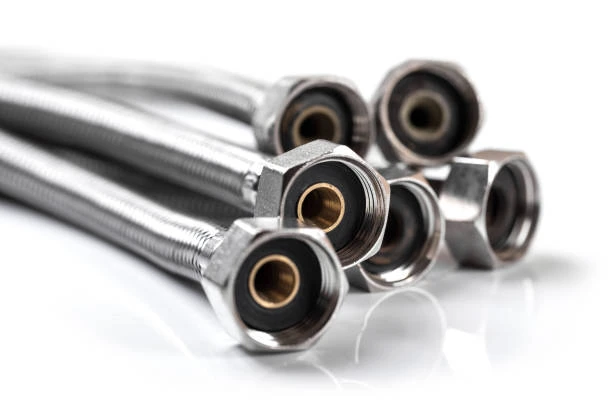
Reinforced braid hoses serve critical functions across numerous industrial applications where cleanliness directly impacts system performance and service life. Proper cleaning and maintenance procedures ensure these hoses remain free from contamination, prevent material degradation, and extend operational reliability. This comprehensive guide examines effective cleaning techniques for reinforced braid hoses, addressing both routine maintenance and specialized cleaning requirements for different applications. We will explore appropriate cleaning solutions, methods for removing various contaminants, and best practices for storage and handling. Understanding these cleaning protocols helps maintenance personnel and engineers maintain hose integrity, prevent system contamination, and ensure optimal performance in diverse operating environments from manufacturing facilities to mobile equipment.
Basic Definition and Key Characteristics
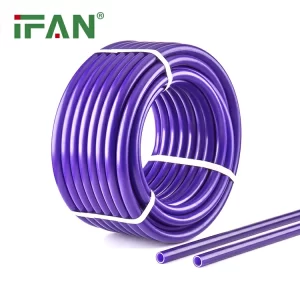
Reinforced braid hoses feature a multi-layer construction with an inner tube, reinforcement layer, and protective outer cover. The inner tube provides chemical compatibility with conveyed media, while the braided reinforcement offers strength and pressure resistance. The outer cover protects against environmental damage and abrasion. This complex structure requires careful cleaning approaches that address each layer’s specific needs. The reinforcement layer can trap particles and contaminants, making thorough cleaning essential. Different materials including synthetic rubber, thermoplastics, and various reinforcement materials require specific cleaning considerations. Understanding these characteristics helps technicians select appropriate cleaning methods that effectively remove contaminants without damaging the hose structure or compromising its performance capabilities.
Frequently Asked Questions (FAQ)
1. What cleaning solutions are safe for reinforced braid hoses?
Use mild, pH-neutral detergents and warm water for most routine cleaning operations. Avoid strong acids, alkalis, and chlorinated solvents that can damage hose materials. For petroleum-based contaminants, use biodegradable citrus-based cleaners or isopropyl alcohol. Always consult manufacturer guidelines for specific chemical compatibility information.
2. How do we clean hoses used with food-grade applications?
Food-grade applications require special cleaning procedures using USDA-approved cleaning agents. Implement regular Clean-in-Place (CIP) or Clean-out-of-Place (COP) procedures with food-safe sanitizers. Use dedicated cleaning equipment to prevent cross-contamination. Always rinse thoroughly with potable water after cleaning and ensure complete drying before returning to service.
3. What methods effectively remove internal contaminants?
For internal cleaning, use forward and backward flushing with appropriate cleaning solutions at recommended temperatures and pressures. For stubborn deposits, consider mechanical methods like soft brushes or foam pigs designed for specific hose diameters. Use filtered air for drying after aqueous cleaning. Always verify that cleaning tools and methods won’t damage the inner surface or leave residue behind.
4. How should we clean hoses exposed to hazardous materials?
Follow specific decontamination procedures established for the particular hazardous materials involved. Use appropriate neutralizing agents before general cleaning operations. Wear proper personal protective equipment including gloves, goggles, and protective clothing during cleaning. Dispose of cleaning waste according to environmental regulations and material safety data sheet requirements.
5. What are the best practices for drying and storage after cleaning?
Hang hoses vertically or coil them in large diameters to allow complete drainage and drying. Use clean, filtered air for forced drying when necessary, especially for larger diameter hoses. Store in a clean, dry environment away from direct sunlight, ozone sources, and extreme temperatures. Avoid sharp bends during storage that could cause permanent deformation or damage to reinforcement layers.
Common Uses and Application Industries
Cleaning requirements for reinforced braid hoses vary significantly across different industries and applications. Automotive and transportation applications require regular cleaning to remove brake fluid, fuel residues, and hydraulic oil contaminants. Manufacturing plants must clean hoses used in pneumatic and hydraulic systems to prevent particle contamination that could damage sensitive equipment. Food and beverage processing demands the most rigorous cleaning protocols with frequent sanitization to meet health standards. Pharmaceutical applications require sterile cleaning procedures using validated methods to ensure product purity and patient safety. Chemical processing plants need specialized cleaning to prevent cross-contamination between different production batches. In all these industries, maintenance teams develop specific cleaning schedules and methods based on the substances conveyed, operating conditions, and regulatory requirements to ensure optimal performance and compliance.
Conclusion
In summary, proper cleaning and maintenance of reinforced braid hoses are essential for ensuring their performance, longevity, and safety across various industrial applications. Understanding the appropriate cleaning methods, solutions, and procedures helps prevent contamination, maintains material integrity, and reduces replacement costs. Different industries require tailored approaches to cleaning, from simple rinsing for general purpose hoses to sophisticated sanitization processes for food and medical applications. Regular cleaning combined with proper inspection, drying, and storage practices significantly extends hose service life while ensuring reliable operation. By implementing comprehensive cleaning protocols and training personnel on proper techniques, organizations can maintain system efficiency, meet regulatory requirements, and maximize the value of their hose investments across automotive, industrial, and specialty applications.
IFAN’s international standards
IFAN products comply with a wide range of international standards, including ASTM 2846, DIN 8079/8080, ASTM F441/F441M SCH80, GB/T 18993 series, AS/NZS 1477, CSA B137.6, NSF/ANSI 14, and TIS 17-2532/1131-2535. These certifications ensure that our pipes and fittings meet global quality, safety, and performance requirements.
Connect
IFAN, a Chinese manufacturer with 30 years of experience, specializes in high-quality plastic pipes, fittings, and valves. Interested in IFAN’s copper fittings, copper valves, plastic pipes, or fittings? Contact us today. IFAN offers a wide range of standard pipes tailored to your needs. Explore our affordable, cost-effective valve and piping system products.
We respond to emails or faxes within 24 hours. For immediate assistance, call us anytime with questions about our products.
For more information,pls visit our webside https://waterpipefitting.com/
Pls Mailto: [email protected]
Whatsapp: +86 13325756195