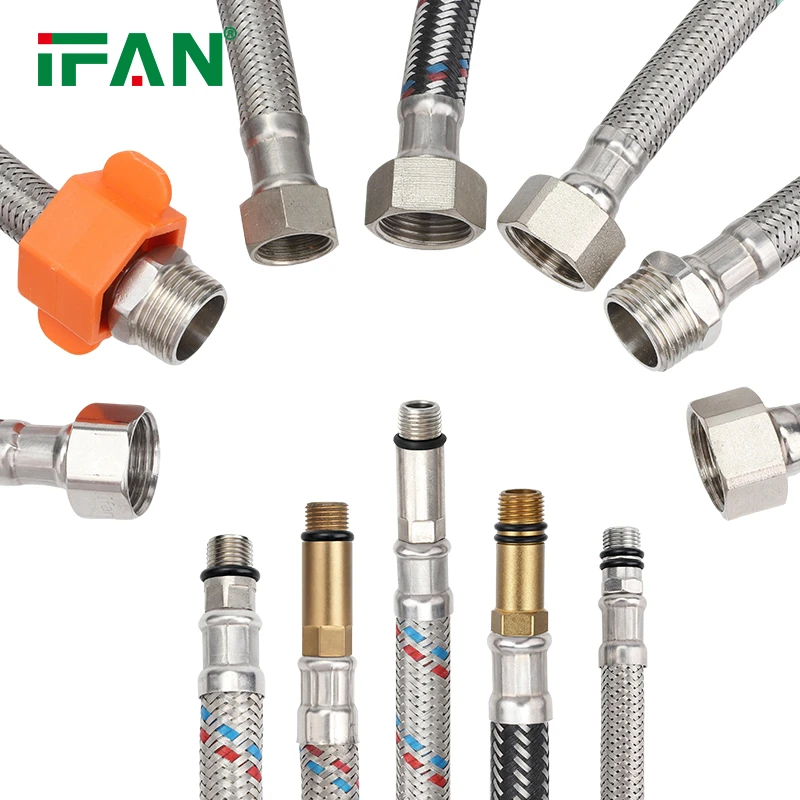
Wire braided hose represents a crucial innovation in fluid transfer technology, combining flexibility with exceptional strength and durability. This comprehensive guide explores everything you need to know about these reinforced hoses, from their basic construction and key features to their diverse industrial applications. We will answer common questions and provide essential information that helps users select the right hose for their specific needs, ensuring optimal performance and safety in various operating conditions.
Basic Definition and Key Characteristics
A wire braided hose consists of three main components that work together to create a robust flexible conduit. The inner tube typically comes made from synthetic rubber or thermoplastic materials that resist the conveyed fluid. A reinforcing layer of steel wire braiding surrounds this tube, providing mechanical strength and pressure resistance. An outer cover protects the assembly from environmental factors, abrasion, and sometimes chemicals. This construction creates a hose that maintains flexibility while handling high pressure applications.
These hoses demonstrate several remarkable characteristics that make them superior to standard hoses. They offer excellent resistance to high pressure, often handling several times the pressure of non-reinforced hoses. The wire braiding provides outstanding durability and long service life even in demanding conditions. Despite their strength, they maintain good flexibility for easy routing and installation. They also show strong resistance to temperature extremes, abrasion, and in many cases, chemicals. Different materials suit various applications, with options available for hydraulic systems, fuel transfer, water delivery, and many industrial processes.
Common Uses and Application Industries
The industrial sector relies heavily on wire braided hoses for hydraulic systems in manufacturing equipment, construction machinery, and industrial automation. These hoses transfer hydraulic fluid under high pressure to power various mechanical functions. The construction industry uses them extensively in heavy equipment like excavators, bulldozers, and cranes where they handle extreme pressures and demanding conditions. Their durability and flexibility make them ideal for the constant movement and vibration experienced on construction sites.
Automotive applications represent another major use area, particularly in power steering systems, brake lines, and fuel delivery systems. The manufacturing sector utilizes these hoses in production machinery, injection molding equipment, and metalworking applications. The aerospace industry depends on specially engineered wire braided hoses for aircraft hydraulic systems and fuel delivery. Even the marine industry uses them for various onboard systems and equipment. Beyond these, they serve important roles in agricultural machinery, mining equipment, and oil and gas operations, proving their versatility across countless applications where reliability under pressure matters most.
Frequently Asked Questions (FAQ)
1. How does wire braided hose differ from standard hose?
Wire braided hose incorporates one or more layers of steel wire reinforcement between its inner tube and outer cover. This braiding provides significantly higher pressure resistance compared to standard hoses while maintaining flexibility. Standard hoses without reinforcement typically handle much lower pressure applications and offer less durability in demanding environments.
2. What maintenance do wire braided hoses require?
Regular visual inspection represents the most important maintenance practice. Check for any signs of abrasion on the outer cover, leaks at fittings, or unusual swelling during operation. Always follow the manufacturer’s recommended service life guidelines, as these hoses typically require replacement after a certain number of operating hours or years of service, even if they appear undamaged.
3. Can I repair a damaged wire braided hose?
No, professional standards never recommend repairing damaged wire braided hoses. Once the integrity comprimises through cuts, abrasions that expose the braiding, or bulges, the hose requires immediate replacement. Attempting repairs creates serious safety risks as the hose may fail under pressure, potentially causing injury or equipment damage.
4. How do I select the right wire braided hose for my application?
Consider several factors including the type of fluid being conveyed, operating temperature range, maximum working pressure, and required flow rate. Also evaluate environmental conditions such as exposure to chemicals, abrasion, weather elements, and flexibility requirements. Always choose a hose rated for pressures higher than your maximum system pressure to ensure safety margin.
5. What do the different colors and stripe patterns indicate?
Manufacturers use color coding to identify hose applications and specifications. For example, blue might indicate oil resistance, red could mean high temperature tolerance, and green often identifies water compatibility. Stripes typically indicate pressure ratings or other specifications. Always consult the manufacturer’s documentation for their specific color coding system, as standards vary between companies.
Conclusion
Wire braided hoses provide an exceptional combination of flexibility and strength that makes them indispensable across numerous industries. Their unique construction allows them to handle high pressure applications while maintaining the flexibility needed for complex installations and moving equipment. Understanding their characteristics, applications, and proper selection criteria ensures optimal performance and safety in any fluid transfer system. Whether for industrial machinery, automotive systems, or specialized applications, these hoses deliver reliable service when selected and maintained correctly. Their proven performance under pressure continues to make them the preferred choice for demanding applications worldwide.
IFAN’s international standards
IFAN products comply with a wide range of international standards, including ASTM 2846, DIN 8079/8080, ASTM F441/F441M SCH80, GB/T 18993 series, AS/NZS 1477, CSA B137.6, NSF/ANSI 14, and TIS 17-2532/1131-2535. These certifications ensure that our pipes and fittings meet global quality, safety, and performance requirements.
Connect
IFAN, a Chinese manufacturer with 30 years of experience, specializes in high-quality plastic pipes, fittings, and valves. Interested in IFAN’s copper fittings, copper valves, plastic pipes, or fittings? Contact us today. IFAN offers a wide range of standard pipes tailored to your needs. Explore our affordable, cost-effective valve and piping system products.
We respond to emails or faxes within 24 hours. For immediate assistance, call us anytime with questions about our products.
For more information,pls visit our webside https://waterpipefitting.com/
Pls Mailto: [email protected]
Whatsapp: +86 13325756195