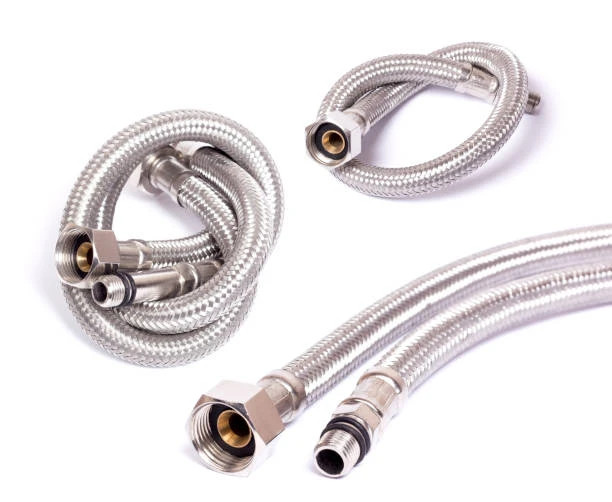
Reinforced braid hoses play critical roles in numerous industrial applications where safety remains paramount for protecting personnel, equipment, and the environment. These hoses handle high pressures, extreme temperatures, and hazardous materials, making proper safety practices essential throughout their lifecycle. From selection and installation to operation and maintenance, understanding potential hazards and implementing appropriate safety measures prevents accidents and ensures reliable performance. This comprehensive guide examines key safety aspects of reinforced braid hoses, covering proper handling procedures, installation best practices, maintenance protocols, and emergency response considerations. We will address common safety questions, explain risk factors, and provide practical guidance for maintaining safe operations across various applications and industries.
Basic Definition and Key Characteristics
Reinforced braid hoses consist of multiple layers including an inner tube, reinforcement braid, and protective outer cover designed to contain fluids under pressure safely. The reinforcement layer, typically made of steel wire, synthetic fibers, or textile materials, provides structural strength and pressure resistance. These hoses feature flexibility to accommodate movement while maintaining integrity under demanding conditions. Safety considerations begin with understanding pressure ratings, temperature limits, and chemical compatibility requirements. The construction materials must resist degradation from conveyed media and environmental factors to prevent failures. Proper installation requires secure end connections that maintain integrity under vibration and pressure fluctuations. Regular inspection and maintenance are essential for identifying potential issues before they develop into safety hazards.
Frequently Asked Questions (FAQ)
1. What are the most common safety hazards with reinforced braid hoses?
The primary safety hazards include sudden hose failure under pressure, which can cause whipping action and serious injury. High-temperature media can cause burns if the hose fails or during maintenance procedures. Chemical exposure risks exist when handling hazardous materials that might leak through damaged hoses. Improper installation can lead to connection failures and sudden pressure release.
2. How do we determine the appropriate safety factor for hose selection?
Always select hoses with pressure ratings exceeding maximum system pressure by appropriate safety margins. For most industrial applications, use a safety factor of 4:1 for working pressure to burst pressure ratio. Consider dynamic pressure spikes and surge pressures in your calculations. Factor in temperature effects on pressure ratings, as higher temperatures typically reduce safe working pressures.
3. What personal protective equipment (PPE) is required when working with these hoses?
Always wear safety glasses or face shields when working with pressurized systems. Use heavy-duty gloves to protect against abrasion, chemicals, and temperature extremes. Wear steel-toed boots for foot protection against falling components or hose whipping. Use appropriate chemical-resistant clothing when handling hazardous materials. Install safety guards around high-pressure hose assemblies where possible.
4. How often should we inspect hoses for safety compliance?
Conduct visual inspections before each use for signs of damage or wear. Perform formal documented inspections at least quarterly for most industrial applications. Increase inspection frequency to monthly for high-pressure or critical service applications. Immediately inspect hoses after any incident or suspected damage. Keep detailed records of all inspections, including measurements of wear and replacement dates.
5. What emergency procedures should we establish for hose failures?
Develop clear shutdown procedures for immediate isolation of failed sections. Establish evacuation routes and emergency assembly points for chemical leaks or fires. Maintain spill containment kits appropriate for the conveyed media. Train all personnel in emergency response procedures specific to your applications. Install pressure relief devices and emergency shut-off valves in accessible locations.
Common Uses and Application Industries
Safety requirements for reinforced braid hoses vary significantly across different industries and applications. Automotive and transportation applications demand rigorous safety protocols for brake systems, fuel lines, and hydraulic controls where failures could lead to accidents. Industrial manufacturing requires comprehensive safety measures for hydraulic machinery, pneumatic systems, and material handling equipment. The oil and gas industry implements strict safety standards for drilling, refining, and transportation applications involving flammable materials. Chemical processing plants need specialized safety protocols for handling corrosive and hazardous materials. Food and pharmaceutical industries focus on safety aspects related to contamination prevention and cleaning procedures. Each industry develops specific safety guidelines based on their unique risks, regulatory requirements, and operational environments to ensure personnel safety and environmental protection.
Conclusion
In summary, safety must remain the foremost consideration throughout the entire lifecycle of reinforced braid hoses. Proper selection, installation, operation, and maintenance practices prevent accidents and ensure reliable performance. Understanding potential hazards and implementing appropriate safety measures protects personnel, equipment, and the environment. Regular training, thorough inspections, and clear emergency procedures form the foundation of an effective safety program. Different industries require tailored safety approaches that address their specific risks and regulatory requirements. By prioritizing safety and following established best practices, organizations can minimize risks while maximizing the performance and longevity of their reinforced braid hose systems. Continuous improvement in safety standards and technologies will further enhance protection measures in future applications.
IFAN’s international standards
IFAN products comply with a wide range of international standards, including ASTM 2846, DIN 8079/8080, ASTM F441/F441M SCH80, GB/T 18993 series, AS/NZS 1477, CSA B137.6, NSF/ANSI 14, and TIS 17-2532/1131-2535. These certifications ensure that our pipes and fittings meet global quality, safety, and performance requirements.
Connect
IFAN, a Chinese manufacturer with 30 years of experience, specializes in high-quality plastic pipes, fittings, and valves. Interested in IFAN’s copper fittings, copper valves, plastic pipes, or fittings? Contact us today. IFAN offers a wide range of standard pipes tailored to your needs. Explore our affordable, cost-effective valve and piping system products.
We respond to emails or faxes within 24 hours. For immediate assistance, call us anytime with questions about our products.
For more information,pls visit our webside https://waterpipefitting.com/
Pls Mailto: [email protected]
Whatsapp: +86 13325756195