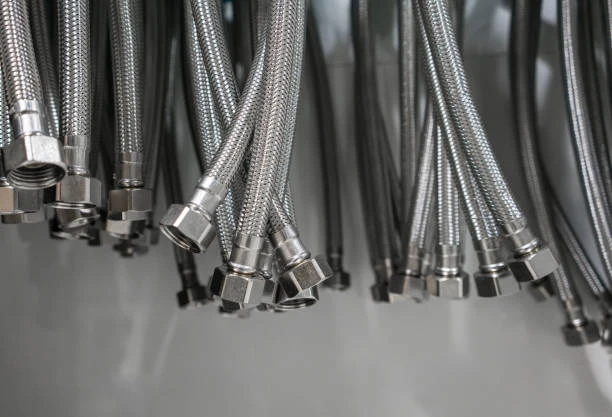
Wire braided hose offers exceptional durability and flexibility for high-pressure fluid transfer applications when properly installed and maintained. This comprehensive guide provides practical information on correct installation techniques, routine maintenance procedures, and industry best practices for wire reinforced hoses. We cover essential safety considerations, common application methods, and troubleshooting tips that help users maximize hose lifespan and ensure system reliability across various industrial, automotive, and hydraulic applications.
Basic Definition and Key Characteristics
Wire braided hose features a multi-layer construction designed for high-pressure applications. The inner tube typically consists of synthetic rubber or thermoplastic material compatible with various fluids. One or more layers of high-tensile steel wire braiding provide reinforcement and pressure resistance. An outer cover protects against environmental factors, abrasion, and sometimes chemicals. This combination creates a flexible yet extremely strong hose capable of handling significant pressure while maintaining flexibility.
These hoses demonstrate several important characteristics that dictate their proper usage. They offer excellent resistance to high pressure, often rated for thousands of psi depending on the number of braid layers. They maintain good flexibility despite their strength, allowing for easier routing around equipment. The construction provides durability against abrasion, temperature extremes, and many chemicals. Different materials suit various applications, with specific compounds available for hydraulic oil, fuel, water, and chemical transfer. Understanding these characteristics helps users select the appropriate hose for their specific application requirements.
Common Uses and Application Industries
Industrial hydraulic systems represent the most common application for wire braided hoses. Manufacturers use them in injection molding machines, metalworking equipment, and production machinery where they transmit hydraulic power under high pressure. The construction industry relies on these hoses for heavy equipment like excavators, loaders, and cranes, where they handle extreme pressures while withstanding constant movement and vibration. Their durability makes them ideal for these demanding environments.
Automotive applications extensively use wire braided hoses in power steering systems, brake lines, and fuel delivery systems. The aerospace industry depends on specially engineered versions for aircraft hydraulic systems and fuel lines. Marine applications include use in steering systems, engine rooms, and onboard machinery. Agricultural equipment manufacturers install them in tractors, combines, and irrigation systems. Additional applications include mining equipment, oil and gas operations, and industrial processing systems. The versatility of these hoses makes them suitable for virtually any application requiring reliable high-pressure fluid transfer.
Proper Installation and Usage Guidelines
Proper installation begins with selecting the correct hose for your specific application. Consider factors like fluid compatibility, temperature range, working pressure, and flow requirements. Always choose a hose with a pressure rating exceeding your system’s maximum operating pressure. Measure the required length carefully, accounting for proper routing without tight bends that could stress the hose. Use appropriate fittings designed specifically for wire braided hoses and ensure they match the hose specifications.
During installation, avoid twisting the hose as this can weaken the braiding and reduce service life. Maintain minimum bend radii as specified by the manufacturer to prevent damage to the reinforcement layers. Use protective sleeves or guards when routing near sharp edges or hot surfaces. Properly support the hose with clamps or brackets to prevent excessive movement and vibration. Always bleed air from the system after installation to prevent damage from air pockets. Finally, conduct a pressure test at gradually increasing levels to verify the integrity of all connections before putting the system into full operation.
Maintenance and Troubleshooting Practices
Regular inspection forms the foundation of proper wire braided hose maintenance. Conduct visual checks frequently, looking for signs of abrasion, cuts, or damage to the outer cover. Check for leaks at connection points and along the hose length. Look for any swelling or distortion that might indicate internal damage. Pay attention to fitting conditions and ensure they remain properly tightened. Keep records of installation dates and establish a preventive replacement schedule based on manufacturer recommendations and operating hours.
Common issues include external abrasion, which often results from improper routing or missing protective guards. Leaking fittings typically indicate improper assembly or worn components. Hose swelling suggests chemical incompatibility or excessive temperature exposure. Reduced flexibility might signal age degradation or chemical attack. When replacing hoses, always use the correct length and type specified for the application. Never repair damaged wire braided hoses – always replace them with new units. Proper maintenance significantly extends service life while ensuring system safety and reliability.
Frequently Asked Questions (FAQ)
1. How often should I replace wire braided hoses?
Replacement intervals depend on operating conditions, but most manufacturers recommend replacement every 3-5 years for continuous service applications. For high-pressure or high-temperature applications, consider replacement every 1-2 years. Always replace hoses immediately if you notice any signs of damage, including abrasion that exposes the braiding, leaks, or swelling.
2. Can I use the same hose for different fluids?
No, you should never use a hose rated for one fluid type with incompatible fluids. Different inner tube materials suit specific fluids, and using the wrong combination can cause deterioration, swelling, or failure. Always verify fluid compatibility with the hose manufacturer’s specifications before installation or fluid change.
3. What causes wire braided hoses to fail prematurely?
Common causes include improper installation with twists or tight bends, exceeding recommended pressure or temperature ratings, chemical incompatibility, abrasion against surfaces, and age degradation. Improper storage before use can also reduce hose lifespan. Always follow manufacturer guidelines for installation and operation.
4. How do I determine the correct hose length?
Measure the distance between connection points while accounting for necessary bends and movement. Add extra length for flexibility and vibration absorption, but avoid excessive length that creates looping or potential snagging hazards. Remember that hoses may contract slightly under pressure, so allow some slack in the installation.
5. Are there special considerations for storing spare hoses?
Store hoses in a cool, dark place away from direct sunlight and ozone sources. Keep them away from heat sources and chemicals. Store them straight or in large coils without tight bends or kinks. Avoid stacking heavy objects on stored hoses. Use proper end caps to keep contaminants out of the inner diameter. Follow manufacturer recommendations for maximum storage duration before use.
Conclusion
Proper installation, usage, and maintenance practices ensure optimal performance and safety when working with wire braided hoses. These reinforced hoses provide reliable service in demanding applications when selected, installed, and maintained according to manufacturer guidelines and industry best practices. Regular inspection and preventive replacement help avoid unexpected failures and downtime. Understanding the correct procedures for handling these hoses ensures they deliver their full potential in terms of service life and reliability. Whether for industrial, automotive, or specialized applications, following these guidelines will help users get the maximum value from their wire braided hose investments while maintaining safe operating conditions.
IFAN’s international standards
IFAN products comply with a wide range of international standards, including ASTM 2846, DIN 8079/8080, ASTM F441/F441M SCH80, GB/T 18993 series, AS/NZS 1477, CSA B137.6, NSF/ANSI 14, and TIS 17-2532/1131-2535. These certifications ensure that our pipes and fittings meet global quality, safety, and performance requirements.
Connect
IFAN, a Chinese manufacturer with 30 years of experience, specializes in high-quality plastic pipes, fittings, and valves. Interested in IFAN’s copper fittings, copper valves, plastic pipes, or fittings? Contact us today. IFAN offers a wide range of standard pipes tailored to your needs. Explore our affordable, cost-effective valve and piping system products.
We respond to emails or faxes within 24 hours. For immediate assistance, call us anytime with questions about our products.
For more information,pls visit our webside https://waterpipefitting.com/
Pls Mailto: [email protected]
Whatsapp: +86 13325756195