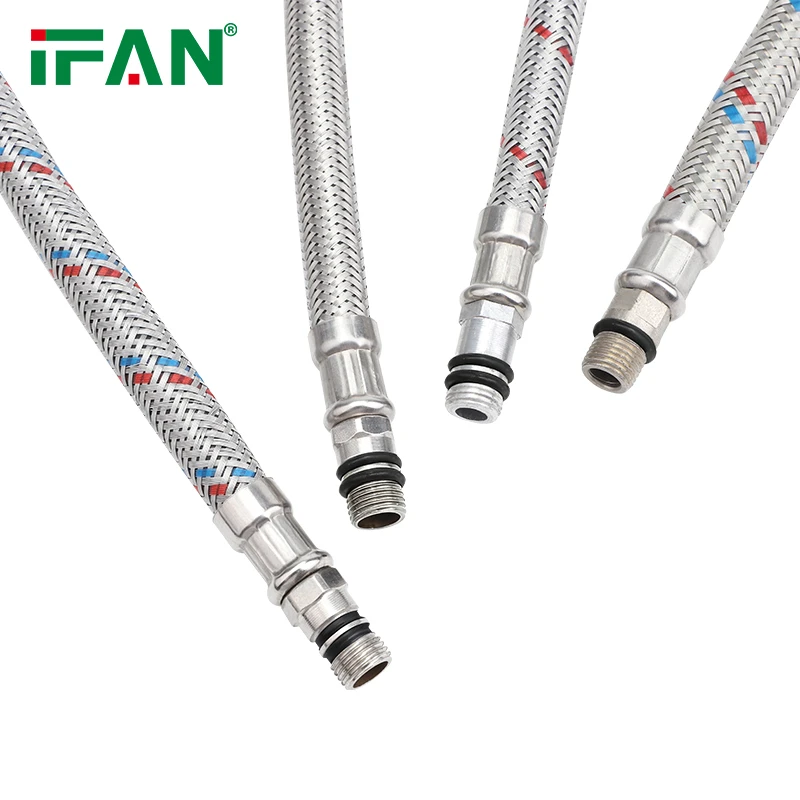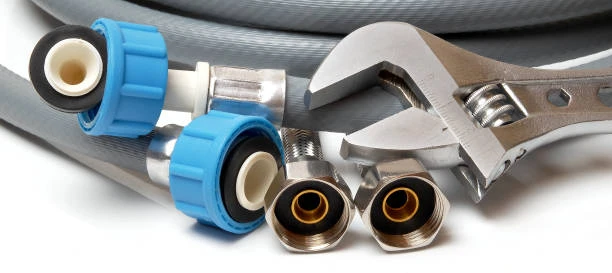
Wire braided hoses represent a critical category of fluid transfer solutions, offering various reinforcement patterns that provide distinct performance characteristics for different applications. This comprehensive guide explores the different types of wire braided hoses, their unique features, appropriate applications, and selection criteria. Understanding these variations helps professionals and users choose the optimal hose type for their specific pressure requirements, fluid compatibility needs, and operational conditions, ensuring both safety and efficiency in numerous industrial and commercial settings.
Basic Definition and Key Characteristics
Wire braided hoses feature a layered construction with distinct reinforcement patterns that define their performance capabilities. The most basic type consists of a single wire braid layer, typically using high-tensile steel wires woven in a crisscross pattern around a synthetic rubber or thermoplastic inner tube. Two-wire braid hoses incorporate an additional layer of braiding, significantly enhancing pressure resistance while maintaining flexibility. Some specialized hoses feature four or six braid layers for ultra-high pressure applications, though these offer reduced flexibility compared to their single-braid counterparts.
The materials used in construction significantly influence hose performance. Inner tubes come in various compounds including nitrile rubber for petroleum-based fluids, EPDM for water and steam applications, and Viton for aggressive chemicals and high temperatures. The wire braiding typically uses high-carbon steel, though stainless steel versions suit corrosive environments. Outer covers range from abrasion-resistant synthetic rubber to specialized compounds for weather resistance. Each combination addresses specific operational requirements, making material selection as important as braid configuration for optimal performance.
Common Types and Their Applications
Single wire braid hoses serve as the workhorse for medium-pressure applications across multiple industries. They typically handle pressure ratings up to 250 bar (approximately 3600 psi) and offer excellent flexibility for easy routing. Industries commonly use these hoses for hydraulic systems in industrial machinery, agricultural equipment, and automotive power steering systems. Their balanced combination of pressure capability and flexibility makes them suitable for applications requiring both performance and ease of installation.
Two-wire braid hoses provide enhanced pressure resistance, typically handling up to 400 bar (approximately 5800 psi) while maintaining reasonable flexibility. These find extensive use in construction equipment, manufacturing machinery, and high-pressure hydraulic systems. For extreme pressure requirements, four and six-braid hoses handle pressures exceeding 600 bar (approximately 8700 psi), though with significantly reduced flexibility. These specialized hoses serve critical roles in oil and gas operations, heavy industrial presses, and specialized manufacturing equipment where extreme pressure resistance outweighs flexibility needs.
Industry-Specific Variations and Specialized Types
Different industries have developed specialized wire braided hoses to address unique operational challenges. The automotive industry uses specific braid patterns and materials for fuel lines, brake systems, and power steering applications. These hoses feature materials compatible with various automotive fluids and designed to withstand vehicle vibration and temperature fluctuations. The aerospace industry employs ultra-high-performance braided hoses with strict weight and reliability requirements for hydraulic and fuel systems.
The food and beverage industry uses wire braided hoses with FDA-approved materials that maintain purity standards while handling processing pressures. Pharmaceutical applications require similar compliance with additional sterilization capabilities. Marine-grade braided hoses feature enhanced corrosion resistance for saltwater environments. High-temperature applications use special wire braids with heat-resistant inner tubes and covers for industrial processes, heating systems, and engine applications. Each specialized type addresses the particular demands of its industry while maintaining the fundamental benefits of wire braid reinforcement.
Selection Considerations and Performance Comparison
Choosing the appropriate wire braided hose type involves evaluating several key factors. Pressure requirements represent the primary consideration, with single-braid hoses suitable for medium pressure and multi-braid designs necessary for higher pressures. Temperature range compatibility matters significantly, as different materials handle various temperature extremes. Chemical compatibility with conveyed fluids determines the appropriate inner tube material, while environmental factors influence outer cover selection.
Flexibility needs must balance against pressure requirements, as increased braid layers typically reduce flexibility. Minimum bend radius specifications vary between hose types and must accommodate installation constraints. Weight considerations may influence material choices in mobile applications. Finally, industry standards and certifications often dictate specific requirements for particular applications. Understanding these factors helps users select the optimal hose type that provides the necessary performance characteristics without over-specifying, thus achieving both operational efficiency and cost-effectiveness.
Frequently Asked Questions (FAQ)
1. What distinguishes single braid from double braid hoses?
Single braid hoses feature one layer of wire reinforcement, offering good flexibility with medium pressure capability. Double braid hoses incorporate two reinforcement layers, providing significantly higher pressure resistance while maintaining reasonable flexibility. The choice depends on your specific pressure requirements and flexibility needs for the application.
2. Can I use a higher pressure rated hose than my system requires?
While technically possible, using excessively high-rated hoses often brings disadvantages including reduced flexibility, increased weight, and higher cost. However, many professionals recommend selecting hoses with pressure ratings 25-50% higher than maximum system pressure to account for pressure spikes and provide additional safety margin.
3. How do temperature ratings vary between different hose types?
Temperature capabilities depend primarily on material composition rather than braid configuration. Standard rubber hoses typically handle -40°C to 100°C, while specialized compounds like Viton withstand -20°C to 200°C. Silicone-based hoses offer even higher temperature resistance but may have lower pressure capabilities. Always check manufacturer specifications for exact temperature ratings.
4. What do the different color codes on hoses indicate?
Manufacturers use color coding to indicate specific properties and applications. Black typically denotes oil resistance, blue often indicates food-grade compatibility, red usually signifies high-temperature capability, and green commonly represents water resistance. However, color coding varies between manufacturers, so always verify specifications rather than relying solely on color.
5. How does wire material affect hose performance?
High-carbon steel wires provide excellent strength for most industrial applications. Stainless steel braiding offers superior corrosion resistance for marine, chemical, and food processing applications. Some specialized hoses use composite or synthetic fibers for specific chemical resistance or weight reduction requirements. The wire material significantly influences both performance and suitable application environments.
Conclusion
Understanding the different types of wire braided hoses enables professionals to make informed decisions that optimize performance, safety, and cost-effectiveness. From single braid designs offering excellent flexibility for medium-pressure applications to multi-braid configurations handling extreme pressures, each type serves specific operational requirements. Material selection further refines performance characteristics for particular fluids, temperatures, and environmental conditions. By considering pressure needs, flexibility requirements, chemical compatibility, and industry standards, users can select the perfect wire braided hose type for their specific application. This knowledge ensures reliable operation, maximizes service life, and maintains safety across countless industrial and commercial applications.
IFAN’s international standards
IFAN products comply with a wide range of international standards, including ASTM 2846, DIN 8079/8080, ASTM F441/F441M SCH80, GB/T 18993 series, AS/NZS 1477, CSA B137.6, NSF/ANSI 14, and TIS 17-2532/1131-2535. These certifications ensure that our pipes and fittings meet global quality, safety, and performance requirements.
Connect
IFAN, a Chinese manufacturer with 30 years of experience, specializes in high-quality plastic pipes, fittings, and valves. Interested in IFAN’s copper fittings, copper valves, plastic pipes, or fittings? Contact us today. IFAN offers a wide range of standard pipes tailored to your needs. Explore our affordable, cost-effective valve and piping system products.
We respond to emails or faxes within 24 hours. For immediate assistance, call us anytime with questions about our products.
For more information,pls visit our webside https://waterpipefitting.com/
Pls Mailto: [email protected]
Whatsapp: +86 13325756195