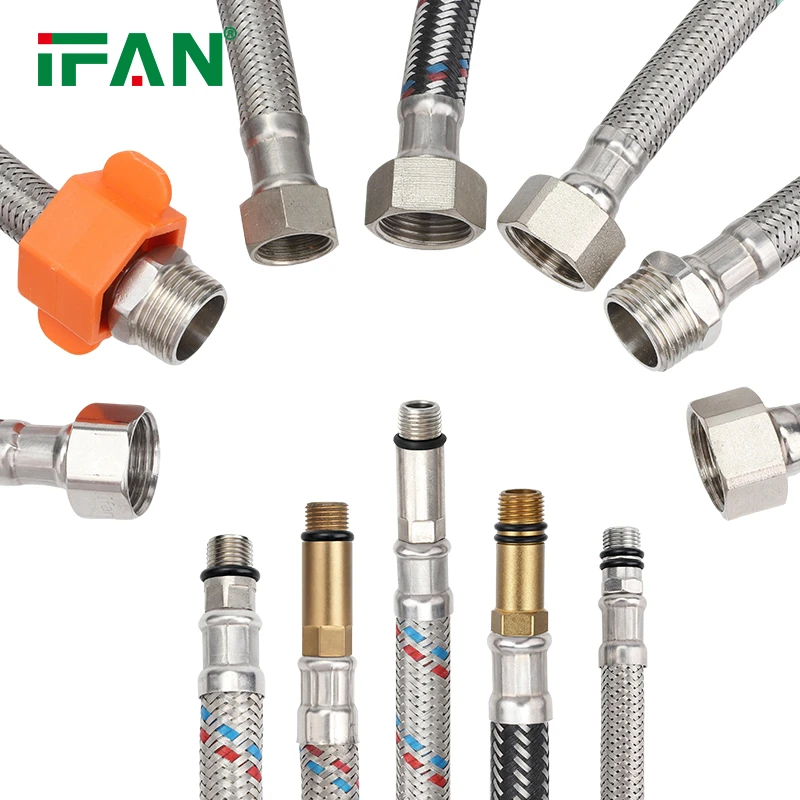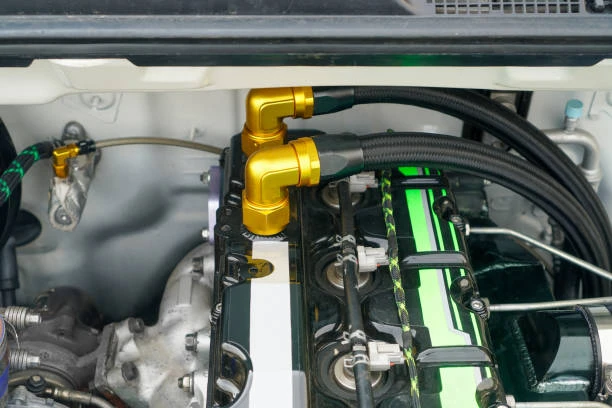
Stainless steel braided hoses represent the pinnacle of durability and reliability in fluid transfer systems, combining flexible inner tubing with a protective stainless steel outer layer to create exceptionally long-lasting solutions. These hoses excel where ordinary hoses fail, offering superior resistance to high pressure, extreme temperatures, corrosion, and physical damage. This comprehensive guide explores why stainless steel braided hoses have become the preferred choice across numerous industries, examining their construction, performance characteristics, and diverse applications. We will address common questions about their maintenance, lifespan, and proper selection criteria. Understanding the durability factors of these hoses helps professionals and homeowners make informed decisions for plumbing, industrial, and commercial applications where failure is not an option.
Basic Definition and Characteristics
Stainless steel braided hoses feature a multi-layer construction that delivers exceptional durability. Manufacturers typically create these hoses with a flexible inner core made of materials like EPDM rubber, PTFE, or other polymers, which they then reinforce with a woven stainless steel mesh exterior. This braided stainless steel covering provides tremendous strength and protection while maintaining flexibility. The key characteristics that make these hoses so durable include their incredible pressure resistance, often handling several times the pressure of standard hoses without bursting or leaking. They demonstrate remarkable temperature tolerance, functioning reliably in both extreme heat and cold conditions where other hoses would degrade. Their corrosion resistance stands out particularly well, as the stainless steel exterior protects against rust, chemicals, and environmental factors that would destroy ordinary hoses.
Common Uses and Application Industries
The exceptional durability of stainless steel braided hoses makes them indispensable across numerous industries and applications. In residential and commercial plumbing, these hoses serve as reliable supply lines for toilets, sinks, washing machines, and dishwashers, where their burst resistance prevents costly water damage. The automotive industry extensively uses them for fuel lines, brake systems, and oil coolers, where they withstand vibration, heat, and exposure to chemicals. Industrial manufacturers rely on these hoses for hydraulic systems, compressed air lines, and chemical transfer applications that demand both flexibility and durability. Food and beverage processing plants utilize stainless steel braided hoses for their sanitary properties and resistance to cleaning chemicals. HVAC systems incorporate them for refrigerant lines and connections where temperature fluctuations and pressure changes occur regularly. Even in marine environments, these hoses excel due to their superior resistance to saltwater corrosion.
Factors Contributing to Durability
Several crucial factors contribute to the outstanding durability of stainless steel braided hoses. The quality of stainless steel used in the braiding significantly impacts longevity, with 304 and 316 grades offering excellent corrosion resistance and strength. The weaving pattern and density of the steel mesh determine how much pressure and abrasion the hose can withstand, with tighter weaves generally providing greater protection. The inner tube material must be compatible with the conveyed media, whether water, oil, chemicals, or gases, to prevent degradation from the inside out. High-quality manufacturers use thick-walled inner tubes resistant to permeation and degradation. The end fittings and their connection methods greatly affect durability, with crimped or swaged fittings typically offering better performance than clamped connections. Proper installation without twisting or over-bending preserves the hose’s structural integrity and prevents premature failure.
Frequently Asked Questions (FAQ)
1. How long do stainless steel braided hoses typically last?
These hoses generally offer a service life of 5-10 years in residential applications, while industrial-grade hoses can last significantly longer with proper maintenance. However, manufacturers often recommend replacement every 5 years as a preventive measure, especially for critical applications.
2. Can these hoses handle high-temperature applications?
Yes, stainless steel braided hoses excel in high-temperature environments. Depending on the inner tube material, they can typically withstand temperatures from -40°F to 400°F (-40°C to 204°C), with special formulations handling even higher temperatures.
3. Are all stainless steel braided hoses drinking water safe?
Not automatically. Only hoses specifically certified for potable water use (often marked with NSF/ANSI 61 or similar certifications) should be used for drinking water applications, as some materials may contain lead or other contaminants.
4. What causes failure in these durable hoses?
The most common failure points include degradation of the inner tube from chemical incompatibility, damage to the stainless steel braiding from excessive abrasion, and failure at the end connections due to improper installation or manufacturing defects.
5. Can I use stainless steel braided hoses for gas applications?
Only specifically designed and certified hoses should be used for gas applications. Look for hoses marked for gas use and always follow local codes and manufacturer recommendations, as natural gas and propane require different materials than standard water hoses.
Conclusion
Stainless steel braided hoses stand as a testament to engineering excellence, offering unparalleled durability that makes them the superior choice for countless applications. Their unique combination of flexibility and strength, coupled with exceptional resistance to pressure, temperature, and corrosion, ensures reliable performance in environments where ordinary hoses would fail. From protecting homes against water damage to maintaining critical operations in industrial settings, these hoses deliver peace of mind through their robust construction and proven longevity. The investment in quality stainless steel braided hoses pays dividends through reduced maintenance costs, minimized downtime, and prevention of potential damage from hose failures. As technology advances, we can expect even more durable versions to emerge, but the current generation already sets a remarkably high standard for durability in fluid transfer systems. Whether for residential, commercial, or industrial use, choosing stainless steel braided hoses means choosing reliability that stands the test of time and conditions.
IFAN’s international standards
IFAN products comply with a wide range of international standards, including ASTM 2846, DIN 8079/8080, ASTM F441/F441M SCH80, GB/T 18993 series, AS/NZS 1477, CSA B137.6, NSF/ANSI 14, and TIS 17-2532/1131-2535. These certifications ensure that our pipes and fittings meet global quality, safety, and performance requirements.
Connect
IFAN, a Chinese manufacturer with 30 years of experience, specializes in high-quality plastic pipes, fittings, and valves. Interested in IFAN’s copper fittings, copper valves, plastic pipes, or fittings? Contact us today. IFAN offers a wide range of standard pipes tailored to your needs. Explore our affordable, cost-effective valve and piping system products.
We respond to emails or faxes within 24 hours. For immediate assistance, call us anytime with questions about our products.
For more information,pls visit our webside https://waterpipefitting.com/
Pls Mailto: [email protected]
Whatsapp: +86 13325756195