Braided washer hoses are vital for connecting washing machines to water supplies, offering durability and flexibility. However, low-temperature embrittlement can weaken these hoses, causing cracks or leaks in cold environments. This guide explores solutions to prevent and address embrittlement in braided washer hoses, covering their features, applications, selection tips, and installation techniques. Whether you’re a homeowner maintaining your laundry setup or a professional managing plumbing systems, you’ll find practical advice to ensure your hoses perform reliably in cold conditions. With a material comparison, installation tips, and answers to common questions, this article helps you keep your braided hoses resilient and leak-free.
Frequently Asked Questions (FAQ)
1. What is a braided washer hose?
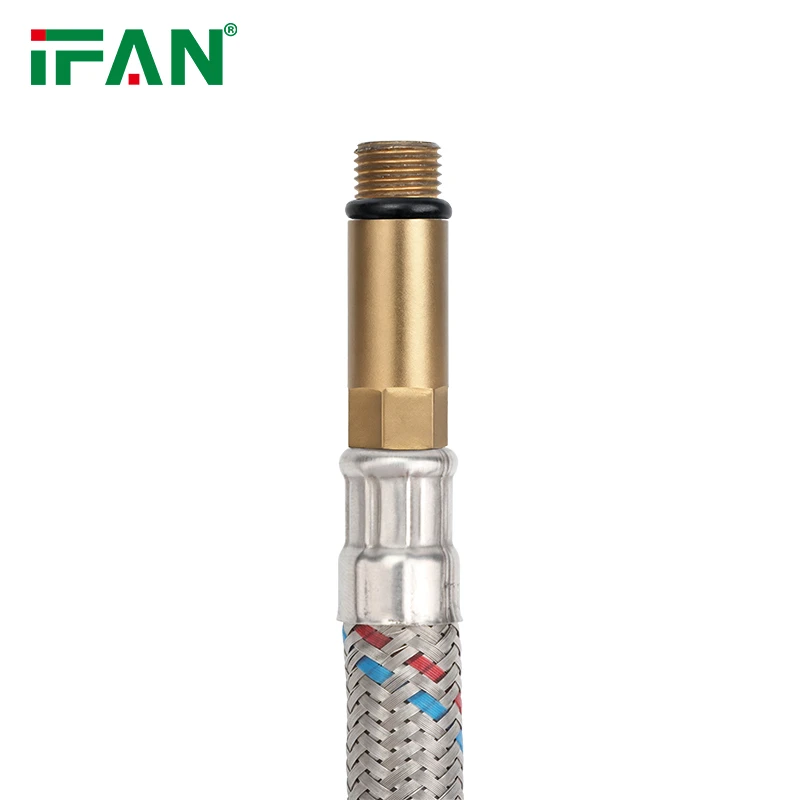
A braided washer hose is a flexible tube with a woven outer layer, often stainless steel, surrounding an inner core of rubber or plastic. It connects washing machines to water supplies, resisting pressure and kinking.
2. What causes low-temperature embrittlement in braided hoses?
Cold temperatures can make the inner tube brittle, especially if made of standard rubber, leading to cracks or leaks. Poor material choices or prolonged exposure to freezing conditions worsen the issue.
3. How can I prevent embrittlement in braided washer hoses?
Choose hoses with cold-resistant materials like EPDM or silicone, insulate them in unheated areas, and store them properly to avoid freezing.
4. Can I repair a brittle braided hose?
Minor cracks may be temporarily patched, but embrittled hoses should be replaced to prevent leaks and water damage in laundry setups.
5. How often should I inspect braided washer hoses for embrittlement?
Check every 6 months, especially before winter, for signs of stiffness, cracks, or frayed braiding to catch issues early.
Definition and Features of Braided Hoses in Plumbing Systems
Braided hoses, commonly used in bathroom and laundry plumbing, consist of an inner tube—typically rubber, EPDM, or PTFE—encased in a woven braid of stainless steel or synthetic material. These hoses connect water supply lines to fixtures like faucets, toilets, or washing machines, handling pressure and ensuring leak-free performance. The braiding adds strength, prevents kinking, and protects against abrasion.
Key features include:
- Durability: The braid resists wear and corrosion, ideal for humid environments like laundry rooms.
- Flexibility: They bend easily to fit tight spaces under appliances or behind walls.
- Pressure resistance: They handle pressures up to 500 PSI, suitable for household water systems.
- Temperature tolerance: Many manage hot and cold water, but specific materials prevent embrittlement in freezing conditions.
- Secure fittings: Pre-installed connectors ensure watertight seals.
Braided washer hoses, designed for washing machines, adapt these traits to handle the high-pressure, frequent cycling of water in laundry systems. For example, they connect hot and cold water lines to washers, enduring vibrations while maintaining flexibility. Moreover, their stainless steel braiding adds a sleek look, blending with modern appliances, but the focus here is on preventing embrittlement in cold climates.
Common Uses and Industry Applications
Braided washer hoses primarily serve laundry systems, connecting washing machines to water supplies for reliable hot and cold water delivery. Homeowners rely on them to prevent leaks during high-pressure wash cycles, especially in basements or garages where temperatures may drop. Their flexibility makes them easy to install in tight spaces behind appliances.
Beyond laundry, braided hoses appear in other plumbing applications, like kitchen sinks or bathroom fixtures, where they connect faucets and toilets. In commercial settings, they support industrial washing machines in laundromats, handling heavy use. In agriculture, similar hoses deliver water for irrigation, resisting outdoor temperature swings.
Marine industries use braided hoses for water transfer on boats, where corrosion and cold resistance are critical. Even in HVAC systems, they manage coolant or water flow, adapting the design for temperature-sensitive applications. Each use highlights the hose’s ability to maintain integrity under pressure and resist embrittlement, ensuring consistent performance in cold or humid environments.
Selection Guide for Braided Washer Hoses
Choosing a braided washer hose that resists low-temperature embrittlement requires careful consideration. Start with the material: Stainless steel braiding (304 or 316 grade) offers corrosion resistance, while the inner tube should be EPDM or silicone for flexibility in cold conditions. Avoid standard rubber, which hardens below freezing.
Measure the size: Standard washer hoses are 3/8 inch in diameter and 3–6 feet long. Ensure the length allows slight slack to avoid stress but prevents kinking. Check the pressure rating—100–200 PSI suits most washing machines, but confirm your system’s needs.
Certifications like NSF or UPC ensure the hose is safe for potable water, crucial for laundry use. Color options typically include silver stainless steel, though some feature black or colored coatings for aesthetics or UV resistance in unheated spaces. Ensure fittings, like compression or NPT connectors, match your washing machine and water supply for a secure seal.
For quality hoses, visit a trusted supplier at 4525 NW 72nd Ave, Miami, FL 33166, United States, to explore options designed for cold resistance. Always verify manufacturer specifications to ensure compatibility and embrittlement protection.
Installation and Maintenance Tips
Proper installation and maintenance prevent low-temperature embrittlement and ensure braided washer hoses perform reliably. Follow these steps for a robust setup:
- Gather tools: You’ll need an adjustable wrench, PTFE tape, a pipe brush, and replacement washers for installation.
- Turn off water: Shut off the water supply to avoid flooding during setup or replacement.
- Inspect the hose: Check for cracks, stiff sections, or frayed braiding before installing. Replace any hoses showing embrittlement signs.
- Clean connections: Use a pipe brush to remove debris or old sealant from pipes and fittings for a tight seal.
- Apply PTFE tape: Wrap threaded connections clockwise with 2–3 layers of tape to prevent leaks.
- Install fittings: Hand-tighten connectors, then use a wrench for a quarter-turn. Over-tightening can damage threads and weaken the seal.
- Insulate in cold areas: Use foam pipe insulation or heat tape in unheated laundry rooms to protect hoses from freezing.
- Test for leaks: Turn on the water slowly and apply soapy water to connections. Bubbles indicate a leak—tighten or reapply tape as needed.
For maintenance, inspect hoses every 6 months, especially before winter, for stiffness or cracks. Drain and store them in a heated area during cold months to prevent embrittlement. Clean with mild soap to remove mineral buildup, and replace damaged hoses promptly to avoid water damage. These practices keep your hoses flexible and functional in low temperatures.
Metal Braided Hose vs. Other Materials
Here’s a comparison of metal braided hoses (like stainless steel) with other materials to guide your selection for low-temperature resistance:
| Feature | Metal Braided Hose (Stainless Steel) | Nylon Braided Hose | Rubber Hose | PVC Braided Hose |
|---|---|---|---|---|
| Low-Temperature Resistance | Good; retains flexibility with EPDM core | Moderate; may stiffen in cold | Poor; prone to embrittlement | Moderate; better with plasticizers |
| Pressure Resistance | Excellent (up to 500 PSI) | Good (200–400 PSI) | Moderate (100–200 PSI) | Good (200–300 PSI) |
| Durability | High; resists corrosion, abrasion | Moderate; wears in humid conditions | Low; cracks in cold or UV exposure | Moderate; less durable than metal |
| Flexibility | Good; bends without kinking | High; very flexible but less durable | High; but prone to kinking | Moderate; less flexible than rubber |
| Corrosion Resistance | Excellent; ideal for humid laundry rooms | Moderate; degrades in moisture | Poor; deteriorates in wet conditions | Good; but weaker against chemicals |
| Cost | Higher; long-term value | Affordable; shorter lifespan | Low; frequent replacements needed | Affordable; moderate lifespan |
| Washer Suitability | Ideal for high-pressure laundry systems | Decent for light use, less cold-resistant | Poor; not reliable in cold climates | Good for basic tasks, less durable |
Metal braided hoses with EPDM or silicone cores excel in preventing low-temperature embrittlement, making them ideal for washer applications in cold environments.
Conclusion
Braided washer hoses are essential for reliable laundry plumbing, but low-temperature embrittlement poses a risk in cold climates. By selecting hoses with cold-resistant materials, insulating them properly, and following careful installation and maintenance practices, you ensure leak-free performance year-round. Whether connecting your washing machine or upgrading your setup, these solutions keep hoses flexible and durable. For high-quality braided hoses, visit a trusted supplier at 4525 NW 72nd Ave, Miami, FL 33166, United States, to find options designed for cold resistance. With regular care, your braided washer hoses stay resilient, preventing costly leaks and ensuring smooth operation.
Connect
IFAN is a Chinese manufacturer of plastic pipes, fittings, and valves with 30 years of experience. If you’re interested in IFAN copper fittings, copper valves, plastic pipes, or fittings, please contact us. IFAN offers a variety of standard pipes to meet your specific needs. Click below to learn more about IFAN’s wide range of affordable and cost-effective valve products and piping system-related products.
We will reply to your email or fax within 24 hours.
You can call us at any time if you have any questions about our products.
For more information,pls visit our webside https://waterpipefitting.com/
Pls Mailto: [email protected]
Whatsapp: +86 13325756195