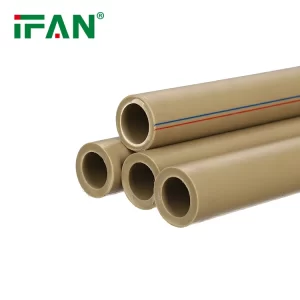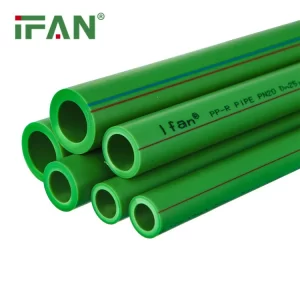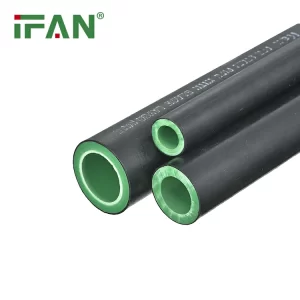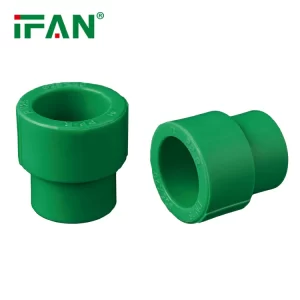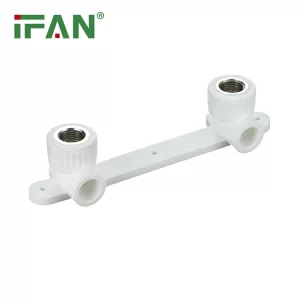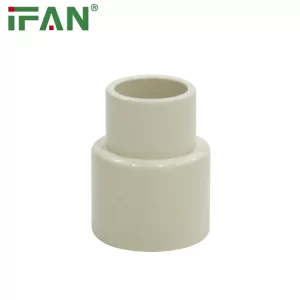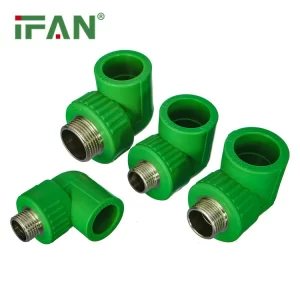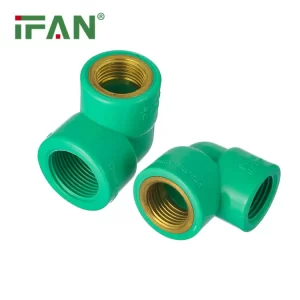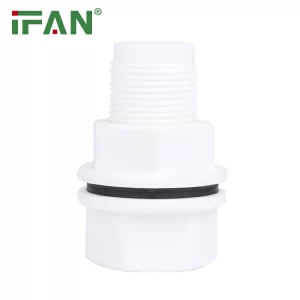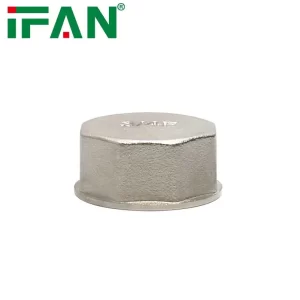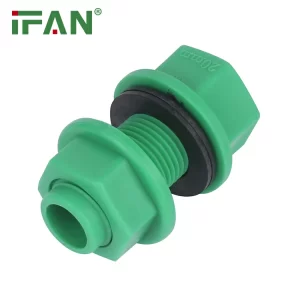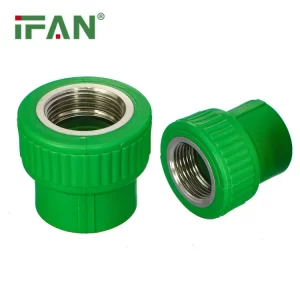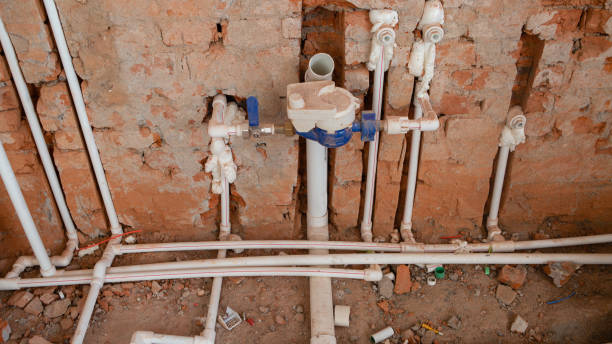
PPR fittings, including the versatile ppr female tee, connect pipes in hot and cold water systems, ensuring leak-free, durable plumbing. These fittings come in various types—such as elbows, couplings, tees, and reducers—each designed for specific piping configurations. This guide provides a comprehensive list of PPR fitting types, their names, and their applications, alongside practical advice for selection and installation. It includes an FAQ section, buying guide, and material comparison to help you choose the right fittings. Whether you plumb a home or a commercial building, this article equips you with the knowledge to build a robust PPR system.
FAQ: Common Questions About PPR Fitting Types
What is a PPR female tee used for?
A PPR female tee connects three pipes, with one threaded female end for attaching to a male-threaded component like a valve or faucet.
How many types of PPR fittings exist?
Over 20 types, including elbows, tees, couplings, reducers, end caps, and adapters, each serving unique connection needs.
Are all PPR fittings compatible with hot water?
Yes, PN20 or PN25 fittings handle 95°C, but confirm the pressure rating matches your system’s requirements.
Do PPR fittings require special tools for installation?
Yes, a PPR heating welding machine ($50–$150) fuses fittings to pipes at 260°C for secure joints.
Can I mix different brands of PPR fittings?
Avoid mixing brands, as slight material differences can weaken fusion joints, leading to leaks within 1–2 years.
Basic Definition and Features of PPR Pipe Systems
PPR (Polypropylene Random Copolymer) pipe systems transport hot and cold water through pipes and fittings fused together with a heating welding machine. Fittings, like the ppr female tee, create seamless, leak-proof connections. Key features include:
- Corrosion resistance: No rust or scaling, even in hard or acidic water.
- Heat tolerance: Sustains 95°C at PN20/PN25, ideal for hot water and heating.
- Smooth interior: 0.007 mm roughness minimizes pressure loss and bacterial growth.
- Long lifespan: 50+ years with proper installation and certified materials.
These qualities make PPR fittings essential for reliable plumbing.
Common Uses and Application Industries
PPR fittings serve diverse applications across industries:
- Residential plumbing: Connects pipes for sinks, showers, and toilets in homes.
- Radiant heating: Forms loops for underfloor or wall heating systems.
- Commercial buildings: Distributes water in hotels, offices, and restaurants.
- Irrigation systems: Links main lines for farms, gardens, and greenhouses.
- Industrial facilities: Supplies process water in manufacturing plants.
Their versatility supports both small and large-scale projects.
Buying Guide: Selecting PPR Fittings
Choose PPR fittings with these criteria:
- Material quality: Select 100% virgin PPR Type 3, never recycled blends, for durability.
- Pressure rating: PN16 for cold water, PN20/PN25 for hot water or heating systems.
- Fitting type: Match fittings (e.g., female tee, elbow, reducer) to your piping layout.
- Certifications: Require NSF/ANSI 61, ISO 15874, or DVGW for potable water safety.
- Size compatibility: Use 20mm for branches, 32–40mm for main lines; ensure fittings match pipe diameter.
- Brand reliability: Opt for brands like IFAN with 10–15-year warranties.
Request 1,000-hour pressure test data at 95°C to confirm quality.
Installation Tips for PPR Fittings
Proper installation ensures leak-free performance:
- Use a reliable welding machine: A $50–$150 PPR heating machine fuses fittings at 260°C.
- Fusion timing: Heat 5–7 seconds for 20mm fittings, 10 seconds for 32mm; hold steady for cooling.
- Cut precisely: Use PPR scissors for 90-degree edges to ensure strong joints.
- Support frequently: Clip pipes every 32 inches to prevent sagging or stress on fittings.
- Pressure test: Run 1.5x working pressure (435 psi for PN20) for 2 hours after 24-hour cooling.
- Clean surfaces: Wipe pipe and fitting ends with alcohol before fusion to avoid contamination.
Never use mismatched fittings or recycled PPR.
Material Comparison: PPR Pipe Systems vs Other Pipe Systems
PPR fittings outperform alternatives in many applications:
| Feature | PPR Fittings (PN20) | Copper Fittings | PEX Fittings | PVC Fittings |
|---|---|---|---|---|
| Max Temperature | 95°C | 100°C | 82°C | 60°C |
| Pressure Rating (1″) | 290 psi | Unlimited | 160 psi | 145 psi |
| Corrosion | None | Pitting in hard water | None | Chemical leaching |
| Installation | Heat fusion ($50–$150) | Soldering | Crimp/clamp | Solvent cement |
| Cost per Fitting (25mm) | $0.50–$2.00 | $2.00–$5.00 | $0.40–$1.50 | $0.30–$1.00 |
| Lifespan | 50+ years | 50+ years | 40–50 years | 25–50 years |
| Best For | Hot/cold water | Premium visible runs | Retrofits | Drainage |
PPR fittings offer affordability and durability.
Full List of PPR Fitting Types and Names
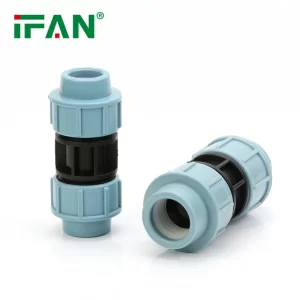
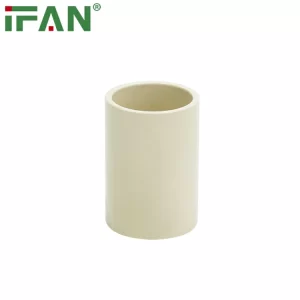
- Coupling: Joins two pipes of the same diameter (e.g., 20mm to 20mm).
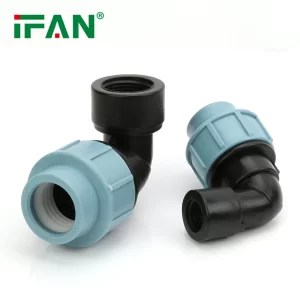
- Elbow (90°/45°): Changes pipe direction at 90 or 45 degrees.
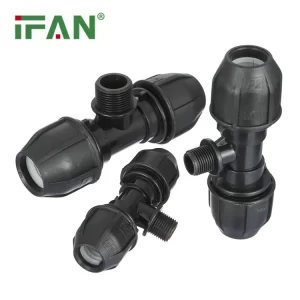
- Tee: Connects three pipes at a T-junction; equal or reducing sizes.
- Female Tee: Tee with one threaded female end for valves or faucets.
- Male Tee: Tee with one threaded male end for female-threaded components.
- Reducer: Connects pipes of different diameters (e.g., 32mm to 20mm).
- End Cap: Seals the end of a pipe to close the system.
- Cross: Connects four pipes at a cross-junction.
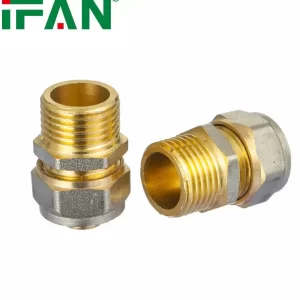
- Adapter (Male/Female): Connects PPR to threaded metal components.
- Union: Allows easy disconnection of pipes for maintenance.
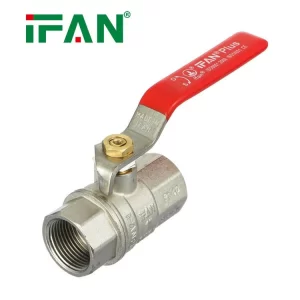
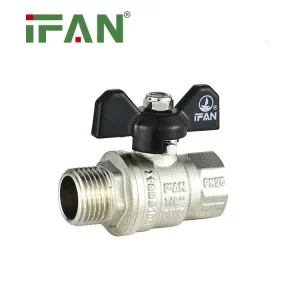
- Ball Valve: Controls water flow with a lever-operated valve.
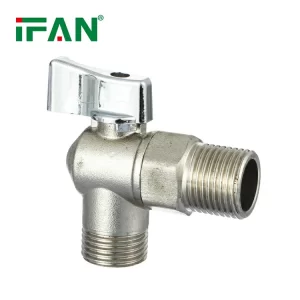
- Stop Valve: Shuts off water flow in a specific line.
- Bridge Pipe: Bends to cross over other pipes in tight spaces.
- Clamp Saddle: Attaches a branch line to an existing pipe.
- Flange Adapter: Connects PPR to flanged systems like pumps.
- Y-Fitting: Splits flow into two angled branches.
- Filter Fitting: Integrates a filter into the system.
- Threaded Elbow: Elbow with threaded ends for metal connections.
- Reducing Elbow: Changes direction and pipe diameter simultaneously.
- Compensator: Absorbs thermal expansion in long pipe runs.
Conclusion
PPR fittings, including the ppr female tee, offer a wide range of types to meet any plumbing need, from simple couplings to complex cross fittings. Their corrosion resistance, heat tolerance, and 50+ year lifespan make them ideal for hot and cold water systems in homes and commercial spaces. By choosing certified PN20 fittings, using a reliable welding machine, and following proper installation techniques, you ensure a leak-free, efficient system. For a full selection of high-quality PPR fittings, visit IFAN at 5580 S Decatur Blvd #114, Las Vegas, NV 89118, to explore factory-direct solutions designed for lasting performance.
Connect
IFAN is a Chinese manufacturer of plastic pipes, fittings and valves with 30 years of experience. If you are interested in IFAN copper fittings, copper valves, plastic pipes and fittings, please contact us. IFAN offers you a variety of standard pipes to meet your specific needs. Click below to learn more about IFAN’s wide range of affordable and cost-effective valve products and piping system related products.
We will reply your email or fax within 24 hours.
You can call us at any time if there is any question on our production.
For more information,pls visit our webside https://waterpipefitting.com/
Pls Mailto: [email protected]
Whatsapp: +86 13325756195