3 Key Steps to Enhance Sealing in PPR Pipe Systems
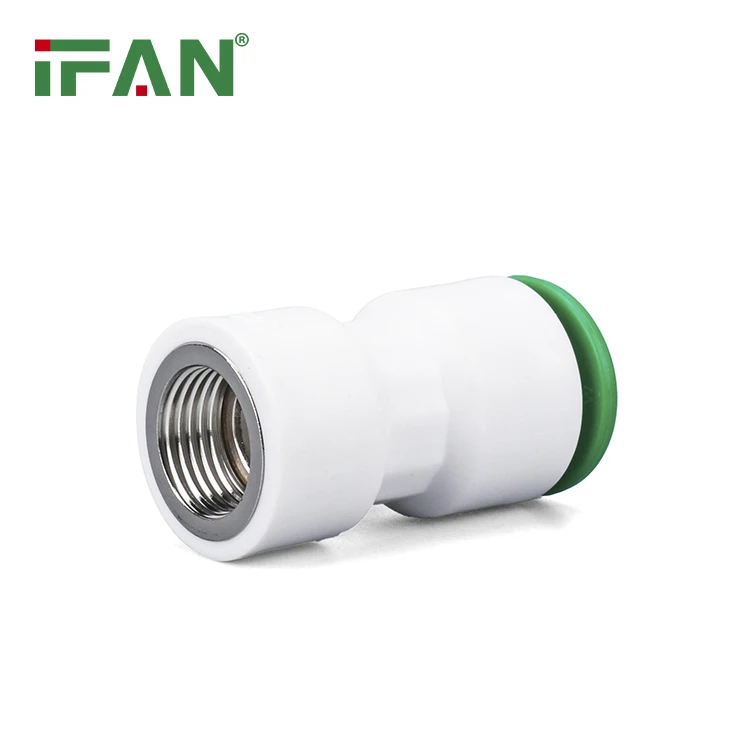
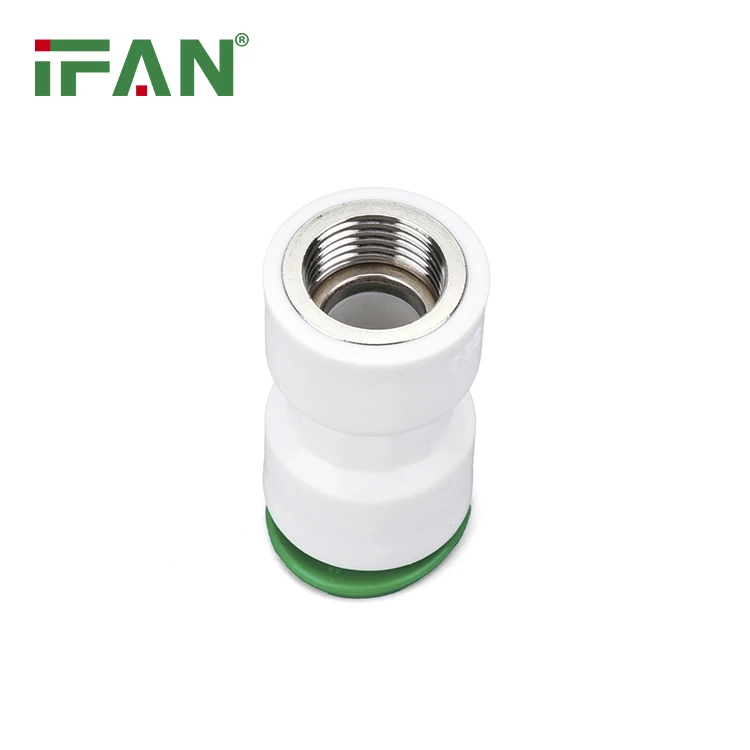
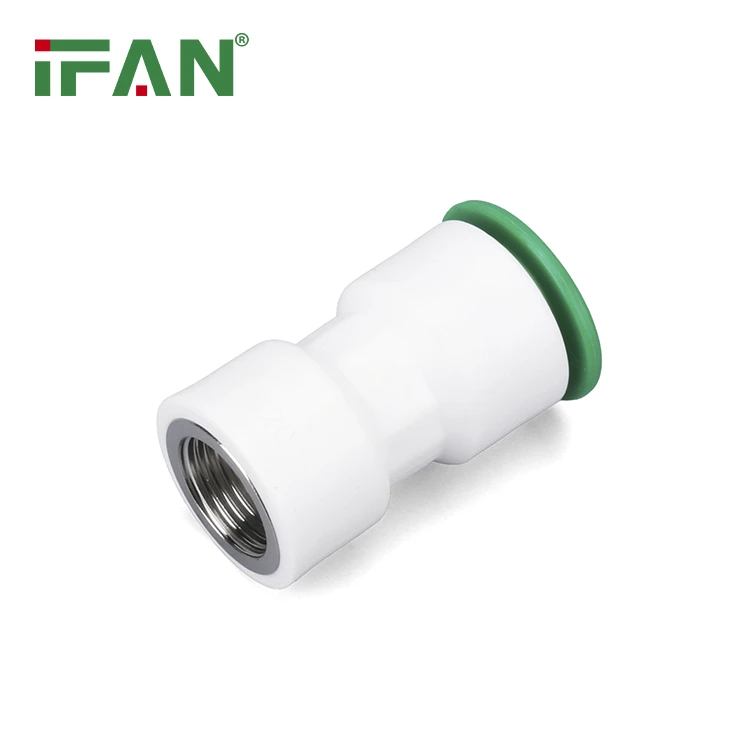
PPR fittings internal thread direct ensure secure, leak-proof connections in plumbing systems, but proper sealing techniques are critical for optimal performance. This article outlines three key steps to enhance sealing in PPR pipe systems, focusing on the keyword PPR fittings internal thread direct. From answering common questions to providing a buying guide and installation tips, we cover everything you need to achieve durable, watertight connections. Whether upgrading a home or managing a commercial project, this guide helps you prevent leaks effectively.
Common Questions About PPR Fittings Internal Thread Direct (FAQ)
1. Why do PPR internal thread direct fittings sometimes leak?
Leaks occur due to improper threading, poor alignment, or low-quality fittings. Proper sealing techniques prevent these issues.
2. Can I install PPR internal thread fittings myself?
Yes, with basic tools and careful sealing methods, DIYers can achieve secure, leak-free connections.
3. How long do PPR internal thread fittings last?
High-quality PPR fittings last over 50 years with proper installation, resisting corrosion and wear.
4. Are PPR internal thread fittings suitable for hot water?
Absolutely, they handle temperatures up to 95°C, making them ideal for hot water systems.
5. What makes PPR fittings better for sealing than other materials?
PPR’s smooth threading and corrosion resistance ensure tighter, more reliable seals compared to metal or PVC.
Basic Definition and Features of PPR Piping Systems
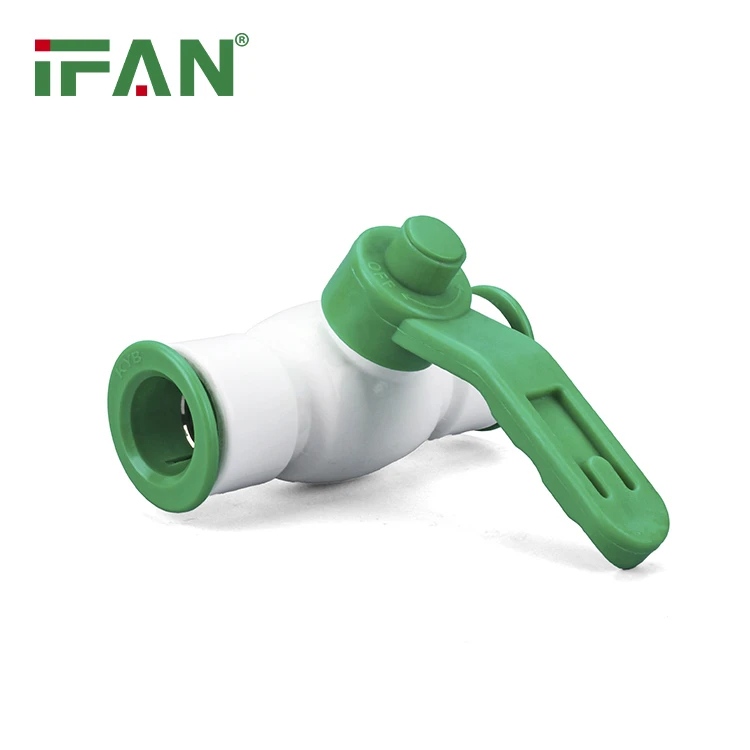
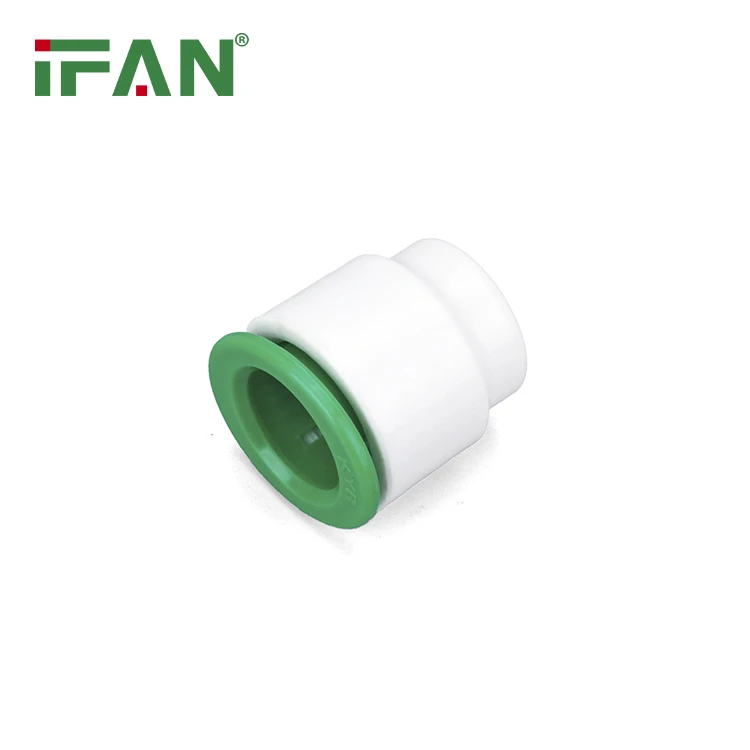
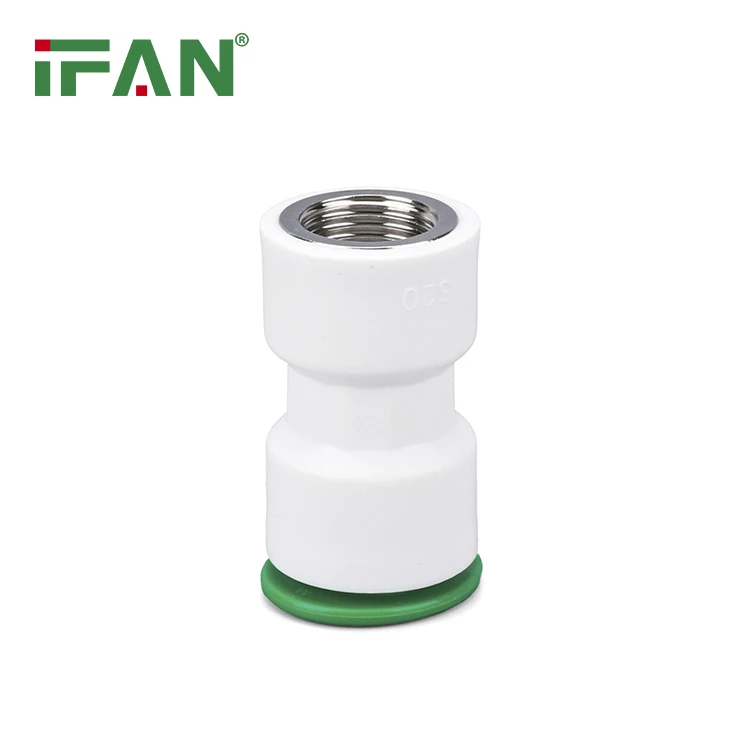
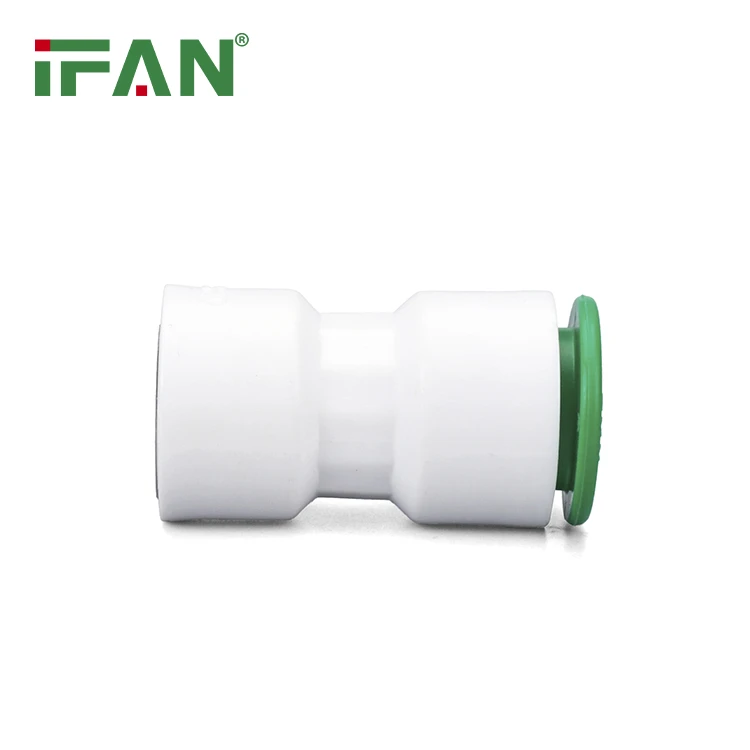
A PPR (Polypropylene Random Copolymer) piping system uses durable plastic pipes and fittings, like internal thread direct fittings, to create secure connections for water or fluid transport. These fittings feature internal threads to connect pipes or fixtures directly, ensuring a tight seal. Known for their reliability and ease of installation, PPR systems excel in modern plumbing applications.
Key features include:
Superior Sealing: Internal threads provide precise, leak-proof connections when properly sealed.
Corrosion Resistance: PPR resists rust and chemical degradation, ideal for humid environments.
High-Temperature Tolerance: Handles hot water up to 95°C without deforming.
Quick Installation: Threaded or heat fusion connections enable fast, secure setups.
Lightweight Design: PPR is easier to handle than metal, simplifying installation.
These qualities make PPR internal thread fittings a top choice for leak-free plumbing.
Common Uses and Application Industries
PPR fittings internal thread direct serve a wide range of applications due to their sealing strength and durability:
Residential Plumbing: Homeowners use them for hot and cold water lines in bathrooms and kitchens, ensuring leak-free connections.
Commercial Buildings: Hotels and offices rely on them for robust water distribution systems.
Industrial Fluid Systems: Factories use PPR for chemical-resistant pipelines in processing plants.
Agricultural Irrigation: Farmers install them for secure water supply lines in farming systems.
Heating Systems: Their heat tolerance suits radiant floor heating and HVAC applications.
Their versatility makes PPR internal thread fittings essential for various plumbing needs.
Buying Guide for PPR Fittings Internal Thread Direct
Choosing high-quality PPR fittings internal thread direct ensures reliable sealing and long-term performance. Here’s a guide to help you select wisely:
Material Quality: Pick high-grade PPR for durability and resistance to heat and chemicals. Avoid low-quality plastics that degrade quickly.
Thread Precision: Ensure internal threads are well-crafted for tight, leak-proof connections with pipes or fixtures.
Certifications: Look for ISO, DIN, or NSF certifications to confirm safety and quality for potable water systems.
Color Options: Green or white fittings are standard; choose colors that match your system’s design or coding.
Pressure Rating: Select fittings rated for your system’s pressure, typically PN16 or PN20 for most applications.
Brand Reliability: Trust manufacturers like IFAN, with 30 years of plumbing expertise, for consistent quality.
Price vs. Longevity: Invest in mid-to-high-range fittings to avoid leaks and frequent replacements.
These factors help you choose fittings that ensure strong, watertight seals.
3 Key Steps to Enhance Sealing in PPR Pipe Systems
Proper installation of PPR fittings internal thread direct is critical to prevent leaks. Follow these three key steps to enhance sealing:
Use Plumber’s Tape Correctly: Wrap Teflon tape clockwise around male threads, applying 2–3 layers for a tight seal.
Tip: Ensure the tape covers all threads evenly to prevent gaps that could cause leaks.
Ensure Proper Alignment: Hand-tighten the fitting to the pipe or fixture, aligning threads carefully to avoid cross-threading.
Tip: Use a wrench to gently tighten after hand-tightening, but avoid over-tightening to prevent damage.
Test and Inspect Joints: Run water through the system and check for drips, tightening or reapplying tape if leaks appear.
Tip: Inspect joints under full pressure to catch minor leaks early.
Additional sealing tips:
Clean Threads Thoroughly: Wipe threads with a cloth to remove debris or grease before applying tape.
Check Thread Compatibility: Ensure male and female threads match in size (e.g., 1/2″ or 3/4″) for a secure fit.
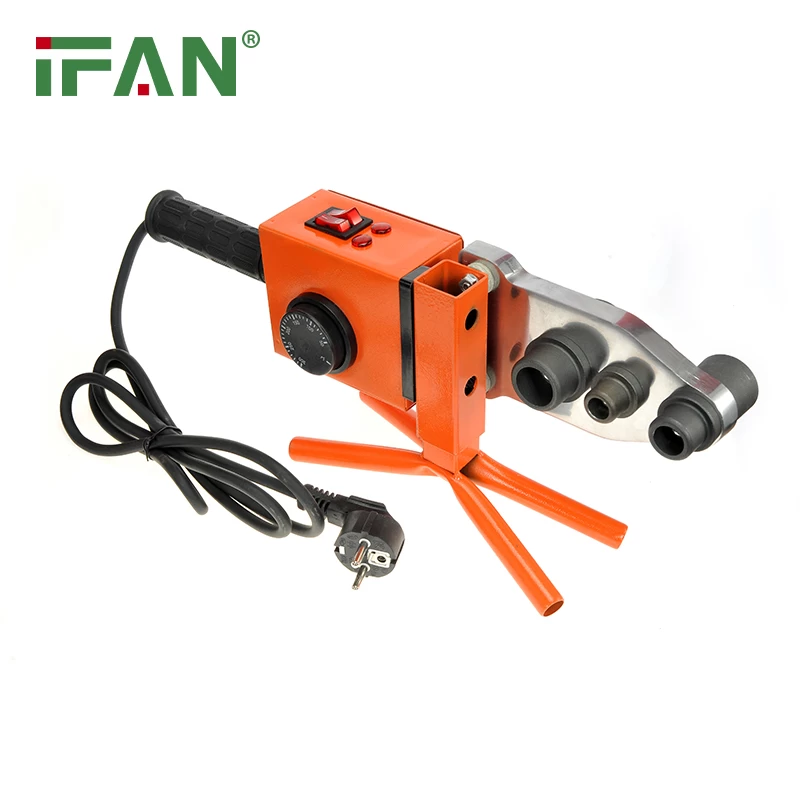
Use Heat Fusion for Non-Threaded Joints: If combining with fusion, heat pipes and fittings to 260°C for 5–7 seconds for a strong bond.
These steps ensure a robust, leak-free PPR piping system.
PPR Pipe Material vs. Other Materials: A Comparison
The material of a piping system impacts its sealing performance and durability. Here’s a comparison of PPR with other common materials:
Feature | PPR (Polypropylene) | Copper | PVC | Stainless Steel |
|---|---|---|---|---|
Sealing Performance | High; tight threads and fusion joints | High; requires skilled soldering | Moderate; glue joints can leak | High; needs precision welding |
Corrosion Resistance | Excellent; no rust or scaling | Moderate; can corrode | High; resists chemicals | High; rust-resistant |
Temperature Resistance | Excellent; up to 95°C | Excellent; handles high heat | Poor; deforms above 60°C | Excellent; extreme heat tolerance |
Installation Ease | Easy; threading or fusion | Requires soldering skills | Easy; glue-based joints | Requires welding expertise |
Cost | Mid-range; cost-effective | High; expensive material | Low; budget-friendly | High; costly installation |
Weight | Lightweight; easy to handle | Heavy; harder to install | Lightweight; easy to move | Heavy; labor-intensive |
PPR excels in sealing performance, cost-effectiveness, and ease of installation, making it ideal for leak-free plumbing systems.
Conclusion
PPR fittings internal thread direct provide reliable, leak-proof connections when installed with proper sealing techniques. By following the three key steps—using plumber’s tape correctly, ensuring proper alignment, and testing joints—you can enhance sealing and prevent leaks. Choosing high-quality PPR fittings from trusted brands like IFAN, paired with our buying guide, ensures a durable, watertight system for residential or commercial projects.
Contact Us
IFAN is a Chinese manufacturer of plastic pipes, fittings, and valves with 30 years of experience. If you are interested in IFAN copper fittings, copper valves, plastic pipes, and fittings, please contact us. IFAN offers a variety of standard pipes to meet your specific needs. Click below to learn more about IFAN’s wide range of affordable and cost-effective valve products and piping system-related products.
We will reply to your email or fax within 24 hours. You can call us at any time if you have any questions about our production.
For more information,pls visit our webside https://waterpipefitting.com/
Pls Mailto: [email protected]
Whatsapp: + 86 13325756195