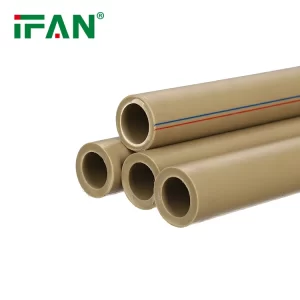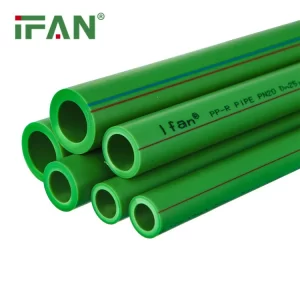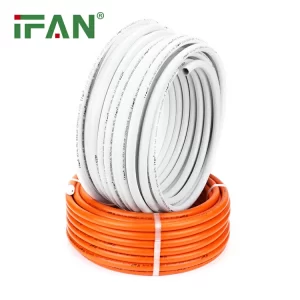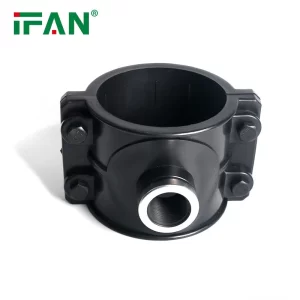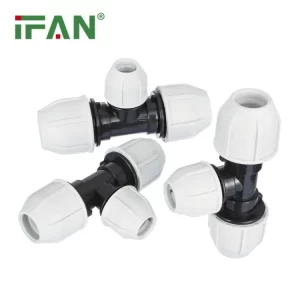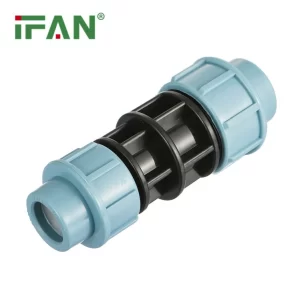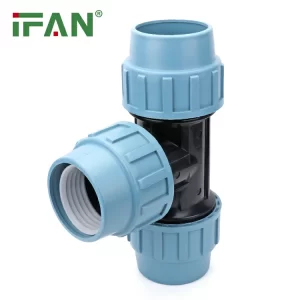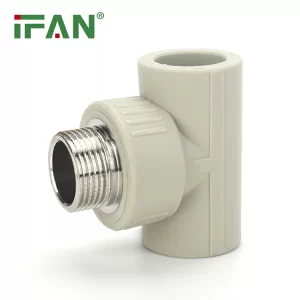
PPR pipes are the top choice for residential hot water systems due to their durability, heat resistance, and long lifespan. Selecting the best PPR pipe brand ensures reliable performance, safety, and cost-effectiveness in home plumbing. This article explores the key factors in choosing the best PPR pipe brand for residential hot water, covering their features, applications, and installation tips. It includes an FAQ section, a buying guide, and a material comparison to help you make an informed decision. Whether you’re building a new home or upgrading your plumbing, this guide provides practical insights for selecting high-quality PPR pipes.
FAQ: Common Questions About PPR Pipes for Hot Water
What is a PPR pipe?
A PPR pipe is a plastic pipe made from polypropylene random copolymer, designed for hot and cold water distribution with excellent heat resistance and corrosion-free performance.
Why choose PPR pipes for residential hot water systems?
PPR pipes resist high temperatures up to 95°C, prevent scaling, and last over 50 years with proper installation, making them ideal for hot water circulation.
Are all PPR pipe brands the same quality?
No, quality varies by manufacturer. Top brands use virgin raw materials, meet international standards, and offer consistent wall thickness and fusion reliability.
How long do PPR pipes last in hot water systems?
High-quality PPR pipes last 50+ years under normal operating conditions (70°C, 10 bar), far outlasting metal pipes in corrosion resistance.
Can I install PPR pipes myself?
Yes, with heat fusion tools and training. However, professional installation ensures leak-free joints and compliance with local plumbing codes.
Basic Definition and Features of PPR Pipes
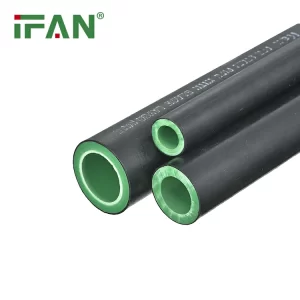
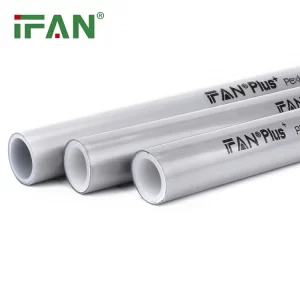
A PPR pipe consists of three layers: an inner PPR layer, a middle reinforcement layer (in some models), and an outer PPR layer. The best PPR pipe brands use 100% virgin PPR material for maximum strength and hygiene. Key features include:
- High thermal resistance: PPR pipes handle continuous hot water at 70-95°C without deforming or leaching chemicals.
- Corrosion and scale resistance: Unlike metal pipes, PPR never rusts or builds limescale, ensuring clean water and consistent flow.
- Low thermal conductivity: PPR minimizes heat loss, keeping hot water hotter longer and reducing energy bills.
- Smooth inner surface: The glossy interior prevents friction loss and bacterial growth, ideal for potable water.
These properties make PPR pipes the gold standard for modern residential hot water systems.
Common Uses and Application Areas
PPR pipes dominate residential and light commercial plumbing due to their versatility and reliability. Primary applications include:
- Hot water distribution: PPR pipes supply hot water from boilers or tankless heaters to bathrooms, kitchens, and laundry rooms.
- Radiant floor heating: Homeowners use PPR in underfloor heating loops for efficient, even heat distribution.
- Solar water systems: PPR withstands high temperatures from solar collectors, ensuring long-term performance.
- Drinking water supply: Certified PPR pipes deliver safe, clean water without metallic taste or contamination.
- Apartment buildings: Developers choose PPR for multi-unit riser systems due to easy installation and maintenance-free operation.
Their hygiene, durability, and heat performance make PPR pipes ideal for modern homes.
Buying Guide: How to Choose the Best PPR Pipe Brand
Selecting the best PPR pipe brand requires evaluating quality, compliance, and performance. Follow these guidelines:
- Material purity: Choose brands using 100% virgin PPR (Type 3) without recycled content for maximum strength and safety.
- Color coding: Green for cold water, white or grey for hot water. Top brands maintain consistent, UV-resistant colors.
- Certifications: Look for NSF/ANSI 61 (potable water), DIN 8077/8078 (German standard), or ISO 15874 certification to ensure quality and safety.
- Wall thickness and pressure rating: Select PN20 or PN25 pipes for hot water (10-25 bar at 20°C), with uniform wall thickness for reliable fusion.
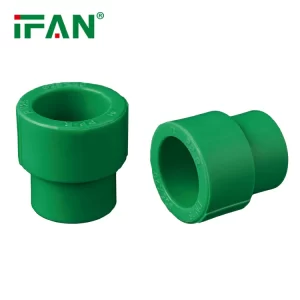
- Fusion compatibility: Ensure pipes and fittings come from the same brand for perfect heat fusion and leak-proof joints.
- Warranty and support: Reputable brands offer 10-25 year warranties and technical support for installers.
Always verify third-party test reports and avoid suspiciously cheap brands using recycled materials.
Installation Tips for PPR Pipes in Hot Water Systems
Proper installation ensures PPR pipes perform at their best for decades. Follow these steps:
- Use professional fusion tools: Invest in a quality PPR welding machine (160-270°C) with correct socket sizes for perfect joints.
- Cut pipes squarely: Use a PPR pipe cutter for clean, 90-degree cuts to ensure full contact during fusion.
- Heat correctly: Follow the brand’s heating time chart (e.g., 5-8 seconds for 20mm pipe) to avoid under- or over-heating.
- Align properly: Hold pipes in position for 5-10 seconds after fusion to prevent joint distortion.
- Pressure test the system: After 24 hours, test at 1.5x operating pressure for 1 hour to confirm no leaks.
- Insulate hot water lines: Wrap PPR pipes with foam insulation to minimize heat loss and prevent condensation.
- Support adequately: Use clips every 50-80 cm to prevent sagging, especially on horizontal hot water runs.
Never mix brands or use damaged pipes—poor fusion causes 90% of PPR system failures.
Material Comparison: PPR Pipes vs. Metal and Other Plastic Pipes
The material choice dramatically affects hot water system performance. Below is a comparison of PPR pipes versus copper, galvanized steel, and PVC/CPVC:
| Feature | PPR Pipes | Copper Pipes | Galvanized Steel | PVC/CPVC Pipes |
|---|---|---|---|---|
| Hot Water Resistance | Excellent (95°C continuous) | Excellent (100°C+) | Good (60-70°C) | Limited (CPVC: 82°C) |
| Corrosion Resistance | Perfect; never rusts | Good; can pit in hard water | Poor; rusts quickly | Good; but brittle over time |
| Installation Ease | Heat fusion; no soldering | Soldering required | Threaded; heavy | Solvent cement; toxic fumes |
| Cost | Moderate; long-term savings | High | Moderate | Low |
| Lifespan | 50+ years | 50+ years | 20-30 years | 25-40 years |
| Thermal Insulation | Low conductivity; saves energy | High heat loss | High heat loss | Moderate |
| Applications | Hot/cold water, heating | Premium plumbing | Cold water only | Cold water (PVC), limited hot (CPVC) |
PPR pipes offer the best balance of performance, cost, and ease for residential hot water systems.
Conclusion
Choosing the best PPR pipe brand for residential hot water systems ensures safety, efficiency, and decades of trouble-free performance. Top brands deliver virgin material quality, international certifications, and perfect fusion compatibility. By selecting certified pipes, following proper installation practices, and understanding material advantages, you build a modern, maintenance-free plumbing system. For the best PPR pipe brand for residential hot water, visit IFAN at 4525 NW 72nd Ave, Miami, FL 33166, United States, to explore premium, certified PPR pipes and fittings engineered for lifelong performance.
Connect
IFAN is a Chinese manufacturer of plastic pipes, fittings, and valves with 30 years of experience. If you are interested in IFAN copper fittings, copper valves, plastic pipes, and fittings, please contact us. IFAN offers a variety of standard pipes to meet your specific needs. Click below to learn more about IFAN’s wide range of affordable and cost-effective valve products and piping system-related products.
We will reply to your email or fax within 24 hours. You can call us at any time if there is any question about our production.
For more information,pls visit our webside https://waterpipefitting.com/
Pls Mailto: [email protected]
Whatsapp: +86 13325756195