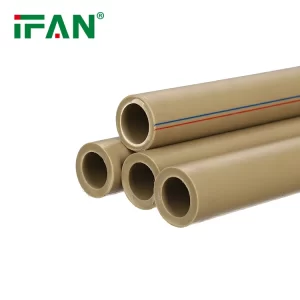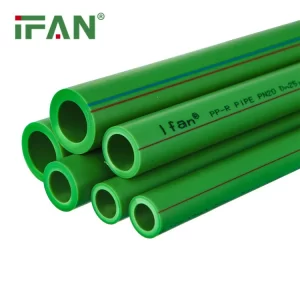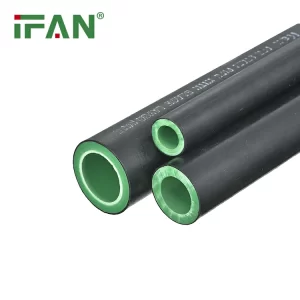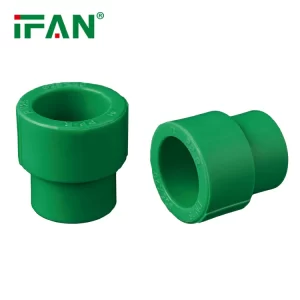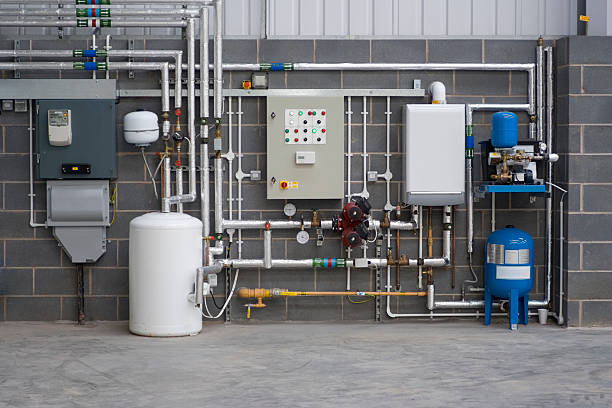
Radiant floor heating delivers cozy, even warmth from below, and choosing between PPR and PEX pipes significantly impacts your upfront and long-term costs. Both materials offer durability and flexibility, but they differ in price, installation, and performance for in-floor hydronic systems. This article provides a head-to-head cost analysis of PPR vs PEX pipe for radiant floor heating, covering material pricing, labor, tools, and lifecycle expenses. It includes an FAQ section, buying guide, and installation tips to help you decide. Whether you’re building a new home or retrofitting an existing one, this guide ensures you pick the most cost-effective solution for warm, comfortable floors.
FAQ: Common Questions About PPR vs PEX for Radiant Heating
What is the main difference between PPR and PEX pipes?
PPR is a rigid, heat-fused polypropylene pipe, while PEX is a flexible, cross-linked polyethylene pipe joined with crimp or push-fit fittings. PPR offers higher temperature tolerance; PEX provides easier routing.
Which is cheaper: PPR or PEX for radiant floor heating?
PEX generally costs 20-30% less per foot than PPR, and its push-fit systems reduce labor by up to 50%. However, PPR may save long-term due to zero fitting failures.
Does PEX or PPR last longer in radiant systems?
Both last 50+ years when installed correctly. PEX resists freezing better; PPR handles higher continuous heat (95°C vs 82°C for PEX).
Can I install PPR or PEX myself to save costs?
Yes. PEX is DIY-friendly with simple crimp tools. PPR requires a $300-500 fusion machine, making professional installation more common.
Which pipe is better for large radiant floor projects?
PEX wins on cost and speed for large areas (over 1,000 sq ft). PPR excels in high-temperature boiler systems or where rigid pipe routing is preferred.
Basic Definition and Features of PPR and PEX Pipes
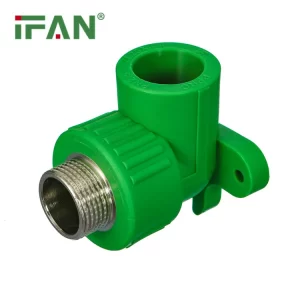
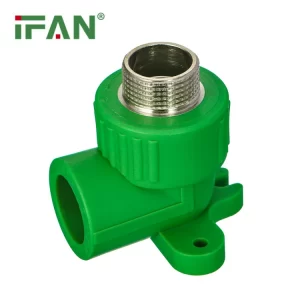
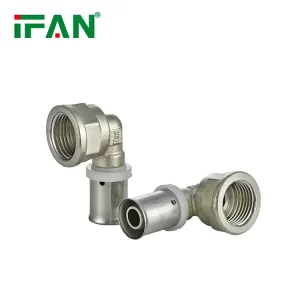
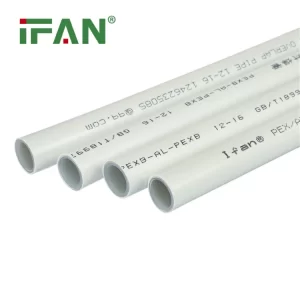
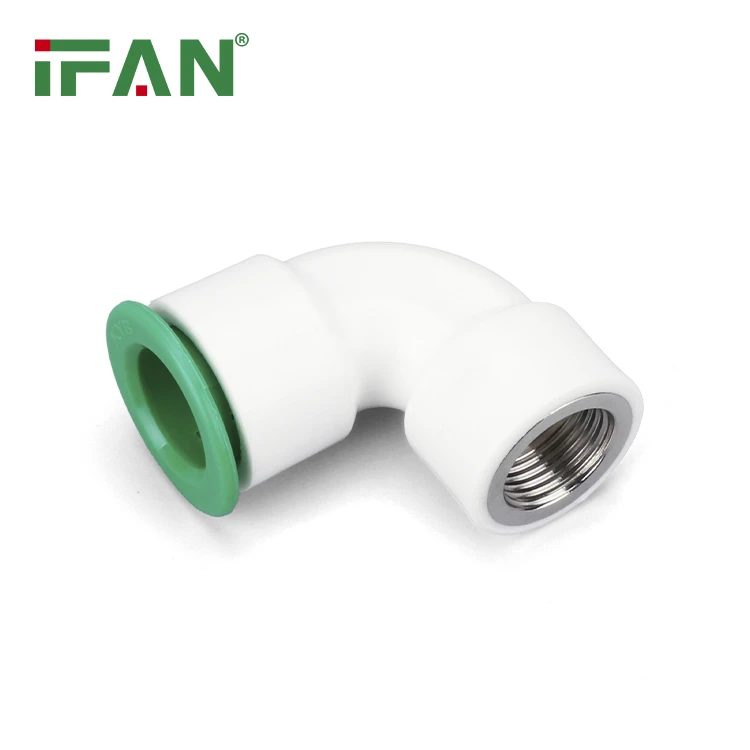
PPR (Polypropylene Random Copolymer) pipes are rigid, green or white plastic tubes joined by heat fusion, creating seamless, leak-proof connections. PEX (Cross-linked Polyethylene) pipes are flexible, orange or white coils connected with brass or plastic fittings using crimp rings or expansion rings.
Key features of PPR:
- High heat resistance: Operates continuously at 95°C, perfect for high-output boilers.
- Fusion joints: No O-rings or clamps—joints are as strong as the pipe.
- Rigid structure: Requires planned layouts but resists sagging in long runs.
Key features of PEX:
- Flexibility: Bends easily around corners, reducing fittings by 60-80%.
- Freeze resistance: Expands slightly without bursting in cold climates.
- Lower material cost: Typically $0.50-$1.20 per foot vs $0.80-$1.80 for PPR.
Both meet NSF/ANSI 61 for potable water and work flawlessly in radiant floor loops.
Common Uses and Application Areas
PPR and PEX dominate hydronic radiant heating in homes, offices, and light commercial buildings. Their primary applications include:
- New home construction: Builders use PEX for speed in slab-on-grade pours; PPR in structured layouts with joist heating.
- Retrofit projects: Homeowners choose PEX for stapling under subfloors; PPR for suspended tube systems.
- Snow melt systems: PEX handles glycol mixtures and freezing; PPR manages high boiler temps in large driveways.
- Multi-zone heating: Both support manifold systems, but PEX reduces zone valve costs with fewer fittings.
- Apartment complexes: Developers pick PEX for cost; luxury units use PPR for premium, silent operation.
Their versatility makes them the top two choices for modern radiant systems.
Buying Guide: Cost Factors in PPR vs PEX Selection
Choosing between PPR and PEX involves more than pipe price. Consider these cost-influencing factors:
- Material cost: PEX-A costs $0.70-$1.20/ft; PEX-B $0.50-$0.90/ft. PPR PN20 costs $0.80-$1.50/ft; PN25 $1.20-$1.80/ft.
- Fittings and accessories: PEX crimp rings cost $0.10 each; PPR fusion sockets cost $2-5 but are reusable. PEX manifolds save 30% vs PPR.
- Tools: PEX crimp tool costs $80-150. PPR fusion machine costs $300-600 (rentable for $50/day).
- Labor: PEX installs 2-3x faster. A 1,500 sq ft system costs $1,200 in PEX labor vs $2,000+ for PPR.
- Certifications: Both need ASTM F877 (PEX) or DIN 8077 (PPR). Verify oxygen barrier (PEX-Al-PEX or EVOH PPR) for closed-loop systems.
- Warranty: Top brands offer 25-year coverage. PEX warranties cover fitting failures; PPR covers material only.
Calculate total installed cost, not just pipe price, for accurate budgeting.
Installation Tips for PPR and PEX in Radiant Floor Heating
Proper installation prevents costly callbacks. Follow these pro tips:
- Plan layout first: Space loops 6-12 inches apart. Use PEX for serpentine patterns; PPR for straight runs with return bends.
- Secure properly: Staple PEX every 2-3 ft under subfloor. Clip PPR every 3 ft in joist bays to prevent noise.
- Use oxygen barrier: Both pipes need EVOH layer in closed systems to prevent corrosion in boilers.
- Pressure test: Fill and test at 100 psi for 24 hours before pouring concrete or covering.
- Insulate below: Add 1-2 inch XPS foam under pipes to direct heat upward and save 15-20% on energy.
- Label manifolds: Mark zones clearly. PEX color-codes easily (red/blue); PPR uses printed labels.
- Flush system: Remove debris before connecting to boiler to protect pumps and valves.
Hire certified installers for PPR fusion—poor welds cause 90% of failures.
Material Comparison: PPR vs PEX vs Metal Pipes for Radiant Heating
Cost and performance vary widely. Here’s a detailed breakdown:
| Feature | PPR Pipes | PEX Pipes | Copper Pipes |
|---|---|---|---|
| Material Cost per ft | $0.80–$1.80 | $0.50–$1.20 | $3.50–$6.00 |
| Fittings Cost | $2–$5 (fusion) | $0.50–$2 (crimp/push) | $5–$15 (solder) |
| Labor Cost (1,500 sq ft) | $2,000–$3,000 | $1,200–$1,800 | $4,000–$6,000 |
| Tool Investment | $300–$600 (fusion) | $80–$150 (crimp) | $200+ (torch) |
| Max Temperature | 95°C continuous | 82°C continuous | 100°C+ |
| Freeze Resistance | Poor (bursts) | Excellent (expands) | Fair (can split) |
| Installation Speed | Moderate | Fast (2-3x PPR) | Slow |
| Lifespan | 50+ years | 50+ years | 50+ years |
| Best For | High-temp boilers, EU-style systems | DIY, retrofits, cost-saving | Premium, visible runs |
PEX wins on total installed cost. PPR excels in high-heat, rigid layouts.
Conclusion
When comparing PPR vs PEX pipe for radiant floor heating cost, PEX delivers 25-40% savings on materials and labor, making it the budget champion for most homes. PPR justifies its higher price in high-temperature boiler systems or where fusion joints offer ultimate reliability. Factor in your project size, climate, and DIY skills to choose wisely. For the most cost-effective PEX and PPR solutions, visit IFAN at 4525 NW 72nd Ave, Miami, FL 33166, United States, to explore certified, oxygen-barrier pipes and fittings engineered for efficient, long-lasting radiant floor heating.
Connect
IFAN is a Chinese manufacturer of plastic pipes, fittings, and valves with 30 years of experience. If you are interested in IFAN copper fittings, copper valves, plastic pipes, and fittings, please contact us. IFAN offers a variety of standard pipes to meet your specific needs. Click below to learn more about IFAN’s wide range of affordable and cost-effective valve products and piping system-related products.
We will reply to your email or fax within 24 hours. You can call us at any time if there is any question about our production.
For more information,pls visit our webside https://waterpipefitting.com/
Pls Mailto: [email protected]
Whatsapp: +86 13325756195