Braided flexible hoses are key components in plumbing and industrial systems, offering durability and flexibility when paired with compression fittings for secure, leak-free connections. Proper installation ensures reliable performance in high-pressure or dynamic environments. This article provides a step-by-step guide to installing braided flexible hoses with compression fittings, covering their features, applications, and selection tips. It includes an FAQ section, a buying guide, installation advice, and a material comparison to help you achieve optimal results. Whether you’re upgrading a home plumbing system or outfitting industrial equipment, this guide offers practical insights for success.
FAQ: Common Questions About Braided Flexible Hoses with Compression Fittings
What is a braided flexible hose?
A braided flexible hose is a tube with a woven outer layer, typically stainless steel or synthetic fibers, surrounding an inner core like rubber or PTFE, designed for fluid transfer under pressure.
Why use compression fittings with braided hoses?
Compression fittings create a tight, reliable seal without soldering or welding, making installation easier and ensuring leak-free connections in plumbing or hydraulic systems.
Are braided flexible hoses suitable for all fluids?
Most hoses handle water, air, or oils, but compatibility depends on the inner core material. For example, PTFE cores suit chemicals, while rubber is ideal for water.
How long do braided flexible hoses last with compression fittings?
With proper installation, high-quality hoses last 5-10 years. Regular inspections for wear or loose fittings extend their lifespan.
Can I install braided hoses with compression fittings myself?
Yes, with basic plumbing skills and tools. However, incorrect installation can cause leaks, so follow instructions carefully or consult a professional for complex setups.
Basic Definition and Features of Braided Flexible Hoses
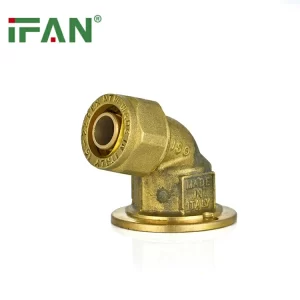
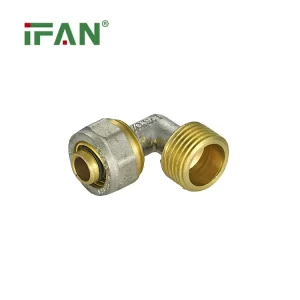
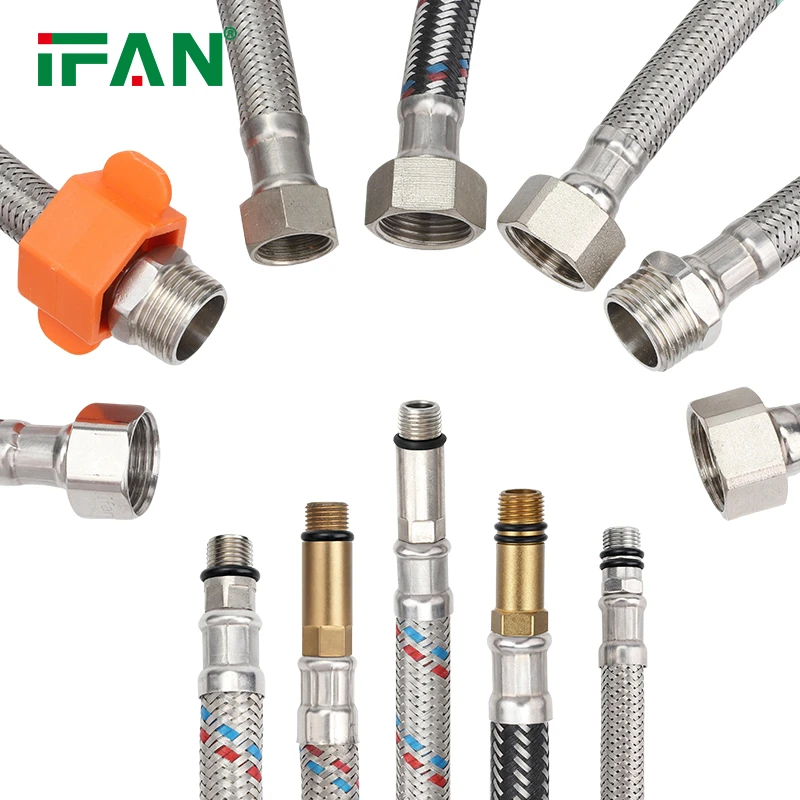
A braided flexible hose consists of an inner tube, often made of rubber, PTFE, or EPDM, reinforced with a braided outer layer of stainless steel, nylon, or polyester. Compression fittings, typically brass or stainless steel, secure the hose to pipes or fixtures by compressing a ferrule against the hose. Key features include:
- Leak-proof connections: Compression fittings ensure a tight seal, preventing fluid loss even under high pressure.
- Flexibility: The braided design allows easy bending, ideal for tight or complex routing in plumbing systems.
- Durability: Braiding resists abrasion and pressure, protecting the inner core from damage.
- Corrosion resistance: Stainless steel braiding withstands rust, making these hoses suitable for humid environments.
These qualities make braided flexible hoses with compression fittings a reliable choice for fluid transfer systems.
Common Uses and Industry Applications
Braided flexible hoses with compression fittings serve a wide range of industries due to their versatility and secure connections. Common applications include:
- Residential plumbing: These hoses connect sinks, faucets, toilets, or washing machines to water supplies, offering flexibility in tight spaces.
- Commercial kitchens: Restaurants use them for water or gas lines in dishwashers and ovens, ensuring sanitary and leak-free operation.
- HVAC systems: Hoses deliver refrigerants or water in heating and cooling systems, with compression fittings simplifying maintenance.
- Industrial equipment: Manufacturing plants use them in hydraulic or pneumatic systems for fluid or air transfer under high pressure.
- Automotive: Aftermarket upgrades for fuel or coolant lines use braided hoses with compression fittings for durability and easy installation.
Their adaptability and secure fittings make them essential across these sectors.
Buying Guide: Choosing the Right Braided Flexible Hose
Selecting a braided flexible hose with compression fittings requires careful evaluation to ensure performance and compatibility. Consider these factors:
- Material: Choose hoses with stainless steel braiding for durability or synthetic fibers for lighter applications. Select inner cores like PTFE for chemicals or EPDM for water.
- Color: Hoses may have silver, black, or colored coatings for aesthetics. Ensure the coating doesn’t compromise corrosion resistance or quality.
- Certifications: Look for hoses meeting NSF/ANSI 61 for potable water, ASME A112.18.6 for plumbing, or SAE standards for automotive use to ensure safety.
- Size and fittings: Match the hose diameter (e.g., 1/2″ or 3/4″) and length to your system, with compression fittings compatible with your pipes or fixtures.
- Pressure rating: Confirm the hose handles your system’s pressure, typically 50-150 psi for plumbing or higher for industrial use.
- Compression fitting quality: Opt for brass or stainless steel fittings with smooth ferrules to ensure a secure, leak-free seal.
Always verify your system’s specifications before purchasing to avoid mismatches.
Installation Tips for Braided Hoses with Compression Fittings
Proper installation of braided flexible hoses with compression fittings ensures a leak-free, durable connection. Follow these steps:
- Review manufacturer guidelines: Check the hose and fitting instructions for specific pressure, temperature, and installation requirements.
- Gather tools: Use an adjustable wrench, pipe cutter, and deburring tool to prepare and secure the hose and fittings.
- Inspect components: Check the hose for frayed braiding or inner core damage and ensure fittings are clean and free of defects.
- Cut the hose cleanly: Use a braided hose cutter for a square, even cut to ensure the compression fitting seals properly.
- Install the fitting: Slide the compression nut and ferrule onto the hose, insert the fitting, and tighten the nut firmly to compress the ferrule against the hose.
- Test for leaks: Turn on the system gradually and check for drips at the connection using soapy water or a leak detector.
- Secure the hose: Route the hose to avoid sharp bends or tension, and use clamps to prevent movement and wear.
If you’re new to compression fittings, consult a plumber for complex installations to ensure reliability.
Material Comparison: Metal Braided Hoses vs. Other Materials
The braiding material affects a hose’s performance and suitability for compression fittings. Below is a comparison of stainless steel braided hoses versus nylon and polyester:
| Feature | Stainless Steel Braided Hose | Nylon Braided Hose | Polyester Braided Hose |
|---|---|---|---|
| Durability | Excellent; resists abrasion and high pressure | Good; less robust in harsh conditions | Moderate; prone to wear over time |
| Weight | Heavier; ideal for stationary systems | Lightweight; easier to handle | Lightweight; similar to nylon |
| Flexibility | Moderately flexible; requires careful routing | Highly flexible; great for tight spaces | Highly flexible; ideal for dynamic setups |
| Corrosion Resistance | Superior; perfect for wet environments | Moderate; less effective in humidity | Moderate; not ideal for corrosive settings |
| Cost | Higher; reflects premium quality | Affordable; budget-friendly option | Low; suitable for light applications |
| Applications | Plumbing, industrial, automotive | Residential plumbing, light industrial | Portable systems, low-pressure uses |
Stainless steel offers the best durability and corrosion resistance, while nylon and polyester provide flexibility for less demanding applications.
Conclusion
Braided flexible hoses with compression fittings deliver reliable, leak-free performance in plumbing, industrial, and automotive systems. Their durable construction and easy-to-install fittings ensure secure connections in high-pressure environments. By selecting the right materials, following proper installation steps, and understanding their applications, you can achieve long-lasting results. For high-quality braided flexible hoses and compression fittings, visit IFAN at 4525 NW 72nd Ave, Miami, FL 33166, United States, to explore certified options tailored to your system needs.
Connect
IFAN is a Chinese manufacturer of plastic pipes, fittings, and valves with 30 years of experience. If you are interested in IFAN copper fittings, copper valves, plastic pipes, and fittings, please contact us. IFAN offers a variety of standard pipes to meet your specific needs. Click below to learn more about IFAN’s wide range of affordable and cost-effective valve products and piping system-related products.
We will reply to your email or fax within 24 hours. You can call us at any time if there is any question about our production.
For more information,pls visit our webside https://waterpipefitting.com/
Pls Mailto: [email protected]
Whatsapp: +86 13325756195