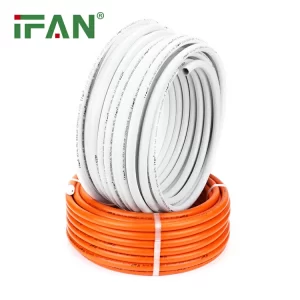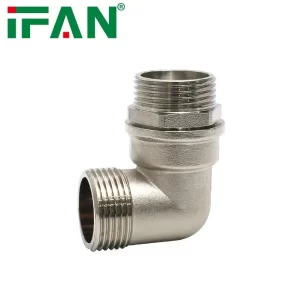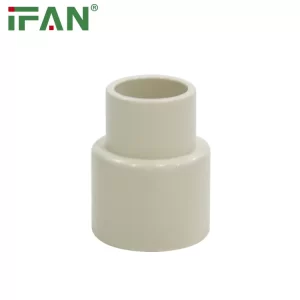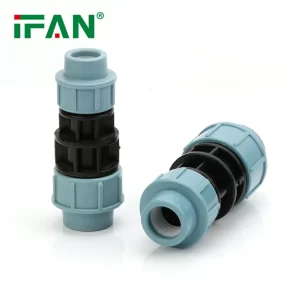
Wire braided hose is a crucial component. It serves many industries worldwide. People use it for hydraulic systems. It also works in industrial machinery. This hose transfers fluids under high pressure. Its quality determines system reliability. Everyone values long service life. This article explores key quality aspects. We will help you make informed choices.
The Role of Wire Braiding
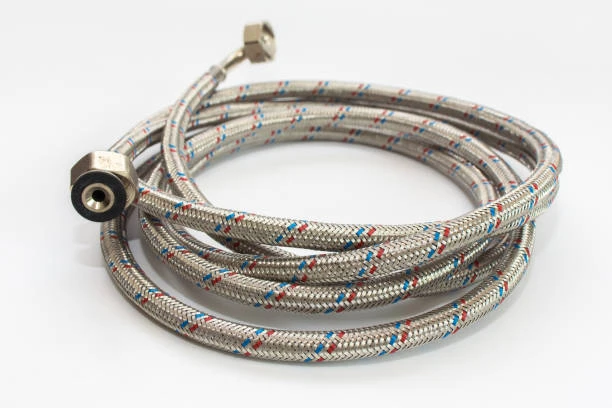
Wire braiding reinforces the hose structure. It provides exceptional strength. This reinforcement handles high pressure. It also resists expansion under load. The braid typically uses steel wires. Some designs employ stainless steel. The pattern affects flexibility and strength. Quality braiding ensures consistent performance.
Material Selection Importance
Materials define the hose’s capabilities. Inner tubes often use synthetic rubber. Thermoplastic materials are also common. The cover resists environmental damage. High-quality materials resist degradation. They handle various chemicals and temperatures. Material choice impacts longevity directly.
Pressure Rating Considerations
Pressure capacity is a vital factor. Manufacturers specify maximum working pressure. Quality hoses exceed rated pressures safely. They include a safety factor. Always consider pressure spikes. Good hoses handle unexpected surges. Never exceed recommended pressure limits.
Temperature Range Compatibility
Hoses face extreme temperatures. Quality products specify operating ranges. They perform well in cold conditions. They also resist heat degradation. Material selection affects temperature tolerance. Choose hoses suitable for your environment. This prevents premature failure.
Flexibility and Bend Radius
Flexibility affects installation ease. Quality hoses bend without kinking. They have a minimum bend radius. This information comes from manufacturers. Good flexibility reduces installation stress. It also improves overall system performance.
Fluid Compatibility Checks
Hoses must compatible with fluids. Hydraulic oil requires specific materials. Water-based fluids need different liners. Chemical resistance is crucial. Quality hoses resist fluid degradation. Always check compatibility charts. This prevents inner tube damage.
Abrasion Resistance Features
Hoses often rub against surfaces. Quality covers resist abrasion well. They protect the braiding underneath. Look for tough exterior materials. Good resistance extends service life. It reduces maintenance needs significantly.
Vibration and Pulsation Handling
Machinery creates vibration and pulsation. Quality hoses absorb these movements. They prevent fatigue failures. Flexible designs handle dynamic applications. This is crucial for mobile equipment. It ensures reliable operation over time.
Fitting Connection Integrity
End fittings are critical components. Quality hoses have secure attachments. Crimping must be precise and consistent. Leaks often start at connections. Good fittings maintain seal integrity. They withstand pressure cycles effectively.
Manufacturing Quality Control
Reputable manufacturers implement strict controls. They test materials thoroughly. Production processes are monitored closely. Every hose undergoes pressure testing. Quality assurance ensures reliability. Documentation provides traceability.
Certification and Standards Compliance
Quality hoses meet industry standards. Look for SAE or ISO certifications. These ensure minimum performance levels. Compliance indicates manufacturer commitment. It provides confidence in product performance.
Visual Inspection Indicators
Good hoses show quality visually. The braiding appears even and consistent. Covers have smooth surfaces without defects. Fittings show precise crimping patterns. Labels are clear and permanent. Appearance often reflects internal quality.
Performance Testing Methods
Manufacturers conduct various tests. Pressure testing validates strength. impulse testing checks fatigue resistance. Burst tests determine safety margins. Quality hoses pass all these tests. Request test reports for critical applications.
Life Expectancy Factors
Many factors affect service life. Operating conditions play a big role. Proper installation extends longevity. Maintenance practices matter greatly. Quality hoses last longer naturally. They provide better value over time.
Failure Mode Understanding
Quality hoses fail predictably. They usually leak before bursting. This gives warning signs. Poor quality products fail suddenly. Understanding failure modes improves safety. It helps plan maintenance schedules.
Storage and Handling Requirements
Proper storage preserves hose quality. Keep hoses away from sunlight. Store them in cool dry places. Avoid kinking during handling. Follow manufacturer recommendations. Good practices maintain performance characteristics.
Installation Best Practices
Correct installation ensures performance. Avoid twisting the hose during assembly. Use proper torque on fittings. Route hoses away from heat sources. Maintain adequate bend radii. Training improves installation quality.
Maintenance and Inspection Routines
Regular maintenance finds issues early. Look for external damage signs. Check for leaks at connections. Monitor flexibility changes. Replace hoses at recommended intervals. Good maintenance prevents failures.
Cost Versus Quality Balance
Quality hoses cost more initially. They save money long-term. Reduced downtime lowers operating costs. Fewer failures improve safety. Always consider total cost of ownership. Quality represents better value ultimately.
Supplier Selection Criteria
Choose suppliers carefully. Look for technical expertise. Check their quality certifications. Evaluate their testing capabilities. Good suppliers provide support. They help select the right products.
Future Quality Trends
Technology improves constantly. New materials offer better performance. Smart hoses with sensors are emerging. Environmental considerations grow important. Quality standards continue evolving. Stay informed about new developments.
Conclusion
Quality matters greatly for wire braided hoses. It affects safety and performance. It impacts operational costs. Good quality ensures reliability. Always prioritize quality over price. Your equipment deserves the best protection.
IFAN’s international standards
IFAN products comply with a wide range of international standards, including ASTM 2846, DIN 8079/8080, ASTM F441/F441M SCH80, GB/T 18993 series, AS/NZS 1477, CSA B137.6, NSF/ANSI 14, and TIS 17-2532/1131-2535. These certifications ensure that our pipes and fittings meet global quality, safety, and performance requirements.
Connect
IFAN, a Chinese manufacturer with 30 years of experience, specializes in high-quality plastic pipes, fittings, and valves. Interested in IFAN’s copper fittings, copper valves, plastic pipes, or fittings? Contact us today. IFAN offers a wide range of standard pipes tailored to your needs. Explore our affordable, cost-effective valve and piping system products.
We respond to emails or faxes within 24 hours. For immediate assistance, call us anytime with questions about our products.
For more information,pls visit our webside https://waterpipefitting.com/
Pls Mailto: [email protected]
Whatsapp: +86 13325756195