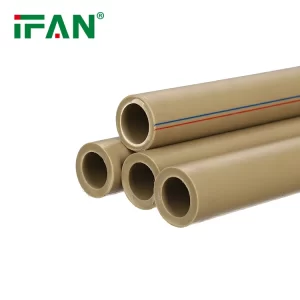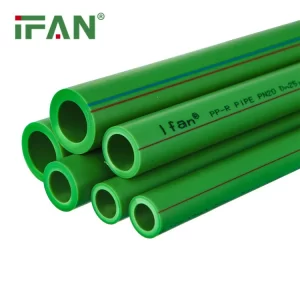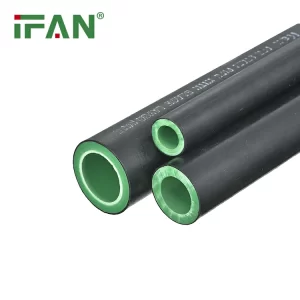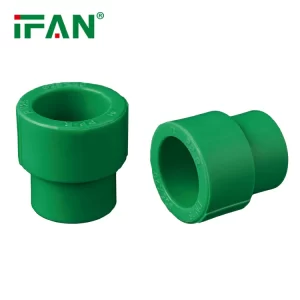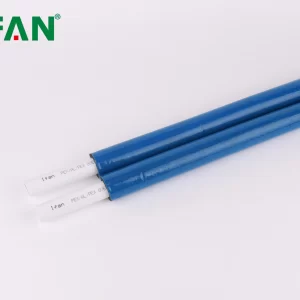
PPR-AL-PPR multilayer pipe outperforms standard PPR in high-pressure and high-temperature systems by integrating a thin aluminum core that dramatically reduces thermal expansion and boosts pressure resistance. This composite design combines the corrosion-free benefits of PPR with the rigidity and oxygen barrier of aluminum, making it ideal for demanding plumbing and heating installations. This article explores the benefits of PPR-AL-PPR multilayer pipe over standard PPR, covering technical advantages, applications, and installation best practices. It includes an FAQ section, buying guide, and material comparison to help you choose the optimal pipe for your project. Whether you’re designing a high-rise water system or a district heating network, this guide ensures you select a pipe that delivers long-term reliability under pressure.
FAQ: Common Questions About PPR-AL-PPR vs Standard PPR
What makes PPR-AL-PPR different from regular PPR pipe?
PPR-AL-PPR features five layers: outer PPR, adhesive, aluminum, adhesive, and inner PPR. The aluminum core reduces expansion by 80% and adds structural strength.
Can PPR-AL-PPR handle higher pressure than standard PPR?
Yes. PPR-AL-PPR achieves PN25 or PN32 ratings with thinner walls, while standard PPR tops out at PN20-PN25 with thicker construction.
Does the aluminum layer affect water quality?
No. The inner PPR layer fully encapsulates the aluminum, ensuring zero contact with water and maintaining full NSF/ANSI 61 certification.
Is PPR-AL-PPR more expensive than standard PPR?
Yes, by 30-50%, but lower installation costs and longer lifespan often offset the difference within 5-7 years.
Can I use standard PPR fittings with PPR-AL-PPR?
No. You must use PPR-AL-PPR-specific fittings with deeper sockets to accommodate the aluminum layer during fusion.
Basic Definition and Features of PPR-AL-PPR Multilayer Pipe
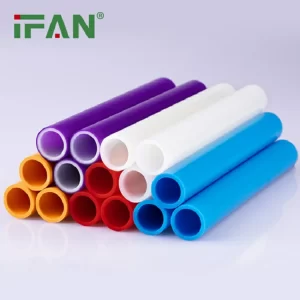
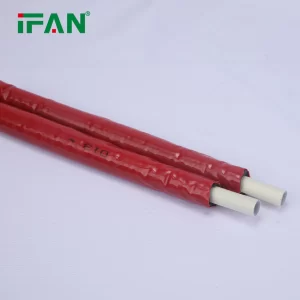
PPR-AL-PPR multilayer pipe consists of five precisely bonded layers: an outer PPR layer for UV and impact protection, a tie layer, a laser-welded aluminum core, another tie layer, and an inner PPR layer for smooth, hygienic water flow. This composite structure delivers exceptional performance.
Key advantages over standard PPR include:
- 80% less thermal expansion: The aluminum restricts lengthening to 0.025 mm/mK vs 0.15 mm/mK for standard PPR.
- Oxygen barrier: The aluminum blocks 100% oxygen diffusion, preventing corrosion in boilers and radiators.
- Higher pressure capacity: PN32 rating allows use in high-rise buildings (up to 30 floors) without pressure-reducing valves.
- Shape retention: The rigid aluminum core prevents sagging in long horizontal runs, even at 95°C.
These properties make PPR-AL-PPR the premium choice for high-performance plumbing systems.
Common Uses and Application Industries
PPR-AL-PPR multilayer pipe excels in applications where standard PPR falls short. Primary uses include:
- High-rise residential towers: The low expansion and high pressure rating eliminate the need for expansion loops on every floor.
- District heating networks: The oxygen barrier protects steel boilers from corrosion in large-scale hot water distribution.
- Industrial process lines: Factories use PPR-AL-PPR for 90°C chemical-free water loops with zero maintenance.
- Hospital plumbing: The hygienic inner layer and shape stability ensure reliable hot water delivery in critical environments.
- Geothermal systems: The aluminum core withstands ground movement and temperature swings in heat pump installations.
Its robustness makes it the go-to pipe for mission-critical infrastructure.
Buying Guide: Selecting PPR-AL-PPR Multilayer Pipe
Choose PPR-AL-PPR wisely to maximize benefits. Follow these guidelines:
- Verify aluminum thickness: Premium pipes use 0.3-0.5 mm laser-welded aluminum. Thinner or overlapped aluminum indicates lower quality.
- Check layer bonding: Peel a sample corner—authentic pipes resist delamination. Poor bonding causes failure within 2 years.
- Confirm oxygen barrier certification: Look for DIN 4726 compliance (less than 0.1 g/m³/day oxygen permeation).
- Select correct PN rating: Use PN25 for standard high-pressure; PN32 for extreme conditions (over 25 bar at 20°C).
- Match fitting system: Buy complete PPR-AL-PPR fittings from the same brand to ensure perfect fusion depth.
- Request test reports: Demand hydrostatic pressure test results at 95°C for 1,000 hours from SKZ or Bodycote.
Never compromise on documentation—certified pipes prevent catastrophic failures.
Installation Tips for PPR-AL-PPR Multilayer Pipe
Proper installation unlocks the full potential of PPR-AL-PPR. Follow these pro tips:
- Use PPR-AL-PPR fusion tools: Set temperature to 260°C and increase heating time by 2 seconds vs standard PPR.
- Peel aluminum before welding: Use a specialized peeling tool to remove 2-3 mm of outer layers for perfect socket insertion.
- Cut with roller cutter: Avoid saws that damage the aluminum layer. Clean cuts prevent weak joints.
- Support every 1 meter: The heavier pipe requires closer clips to prevent stress on fittings.
- Pressure test at 1.5x working pressure: Hold for 2 hours after 24-hour cooling to verify aluminum integrity.
- Insulate all lines: Wrap with 13-19 mm foam to maintain the aluminum’s shape retention benefit.
Always use brand-matched components—mixing causes 95% of multilayer pipe failures.
Material Comparison: PPR-AL-PPR vs Standard PPR vs Metal Pipes
Performance gaps are significant. Here’s a detailed breakdown:
| Feature | PPR-AL-PPR | Standard PPR | Copper Pipes |
|---|---|---|---|
| Thermal Expansion | 0.025 mm/mK | 0.15 mm/mK | 0.017 mm/mK |
| Oxygen Permeation | 0 g/m³/day | 0.8 g/m³/day | 0 g/m³/day |
| Max Pressure (20mm) | PN32 | PN25 | Unlimited |
| Weight per meter (20mm) | 0.25 kg | 0.22 kg | 0.48 kg |
| Installation Cost | Moderate (special tools) | Low | High (soldering) |
| Corrosion Resistance | Perfect | Perfect | Good (pitting risk) |
| Shape Retention | Excellent | Poor (sags at 90°C) | Excellent |
| Best For | High-pressure, heating | General plumbing | Premium, visible runs |
PPR-AL-PPR offers the best combination of plastic benefits with metal-like performance.
Conclusion
PPR-AL-PPR multilayer pipe delivers unmatched superiority over standard PPR in high-pressure applications through its aluminum core that minimizes expansion, blocks oxygen, and boosts pressure capacity. Its composite design ensures reliability in high-rise buildings, district heating, and industrial systems where standard PPR would fail. By selecting certified PPR-AL-PPR, using proper installation techniques, and understanding its technical advantages, you build infrastructure that lasts decades without maintenance. For premium PPR-AL-PPR multilayer pipe with full certification and technical support, visit IFAN at 4525 NW 72nd Ave, Miami, FL 33166, United States, to explore factory-direct solutions engineered for extreme performance.
Connect
IFAN is a Chinese manufacturer of plastic pipes, fittings, and valves with 30 years of experience. If you are interested in IFAN copper fittings, copper valves, plastic pipes, and fittings, please contact us. IFAN offers a variety of standard pipes to meet your specific needs. Click below to learn more about IFAN’s wide range of affordable and cost-effective valve products and piping system-related products.
We will reply to your email or fax within 24 hours. You can call us at any time if there is any question about our production.
For more information,pls visit our webside https://waterpipefitting.com/
Pls Mailto: [email protected]
Whatsapp: +86 13325756195