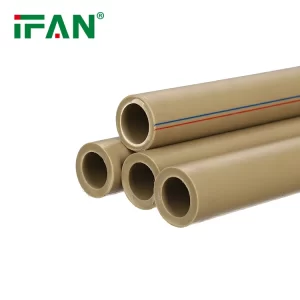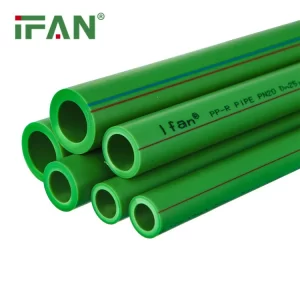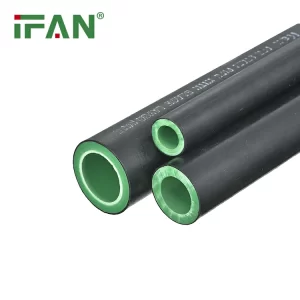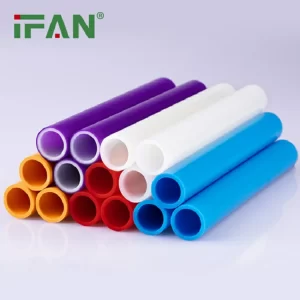
PPR pipes come in different pressure ratings, and choosing between PN20 and PN10 directly impacts system safety, cost, and longevity. PN20 PPR pipe handles twice the pressure of PN10 with only slightly thicker walls, making it the go-to choice for hot water and high-rise applications. This article breaks down the PN20 PPR pipe pressure rating vs PN10 pipe specifications, including wall thickness, temperature performance, and real-world use cases. It includes an FAQ section, buying guide, and installation tips to help you select the right pipe. Whether you’re plumbing a single-family home or a 20-story building, this guide ensures you match pressure rating to your project’s needs.
FAQ: Common Questions About PN20 vs PN10 PPR Pipes
What does PN20 and PN10 mean in PPR pipes?
PN stands for “Pressure Nominal.” PN20 pipes withstand 20 bar at 20°C, while PN10 handles 10 bar. The number indicates maximum working pressure in cold conditions.
Can I use PN10 PPR pipe for hot water?
No. PN10 is designed for cold water only (max 45°C). PN20 handles hot water up to 95°C safely.
Is PN20 pipe much more expensive than PN10?
Yes, by 30-50%, but PN20 saves money long-term in hot water systems by preventing bursts and reducing fittings.
Do PN20 and PN10 pipes use the same fittings?
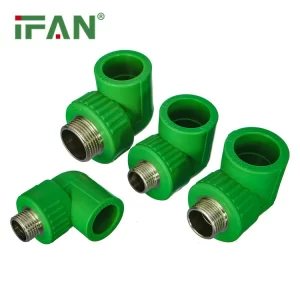
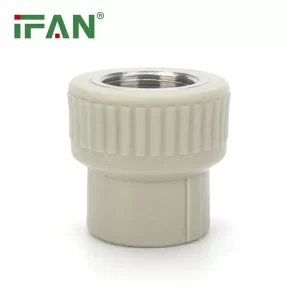
Yes. Both use standard PPR fusion fittings. The difference lies only in wall thickness and pressure capacity.
How do I know if my system needs PN20 or PN10?
Calculate total dynamic pressure including pump output and height. Systems over 8 bar or 60°C require PN20.
Basic Definition and Features of PN20 and PN10 PPR Pipes
PPR (Polypropylene Random Copolymer) pipes are classified by pressure rating: PN10, PN16, PN20, and PN25. The rating reflects maximum allowable pressure at 20°C.
Key differences:
- PN20 PPR pipe: Features 3.4 mm wall thickness (20mm diameter), rated for 20 bar at 20°C, 10 bar at 70°C, and 6 bar at 95°C.
- PN10 PPR pipe: Has 2.3 mm wall thickness (20mm), rated for 10 bar at 20°C, 5 bar at 45°C, and fails above 60°C.
Both pipes share PPR’s corrosion-free, smooth interior but differ significantly in pressure and temperature tolerance.
PN20 offers:
- Double pressure capacity: Handles high-rise buildings and booster pumps.
- Hot water compatibility: Operates safely at 95°C for 50 years.
- Reduced system stress: Thicker walls absorb pressure surges better.
Common Uses and Application Industries
PN20 and PN10 PPR pipes serve distinct roles based on pressure and temperature requirements.
PN20 applications:
- Residential hot water: Supplies 70-95°C water from boilers to fixtures in homes and apartments.
- High-rise buildings: Handles 15-20 bar static pressure in 20+ story risers.
- Radiant heating: Delivers 60-80°C water in floor loops without expansion issues.
- Solar systems: Withstands thermal shock from 90°C solar collectors.
PN10 applications:
- Cold water distribution: Supplies municipal water at 10-15°C in single-story homes.
- Irrigation systems: Delivers water at ambient temperature in gardens and farms.
- Low-pressure drainage: Used in vent pipes or overflow lines.
Their specialized roles prevent system failures when properly matched.
Buying Guide: Selecting PN20 or PN10 PPR Pipe
Choose the correct pressure rating to avoid costly mistakes. Follow these guidelines:
- Check system pressure: Add pump pressure, static head (0.1 bar per meter height), and 50% safety factor.
- Verify temperature: Hot water over 45°C requires PN20. Cold water under 30°C allows PN10.
- Confirm wall thickness: PN20 (20mm) has 3.4 mm walls; PN10 has 2.3 mm. Measure with calipers.
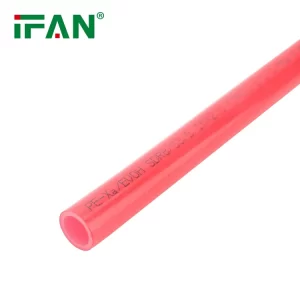
- Look for printing: Authentic pipes display “PN20” or “PN10” every meter with brand, diameter, and SDR rating.
- Request pressure test reports: Demand 1,000-hour hydrostatic test at 95°C for PN20 from SKZ or DVGW.
- Buy complete systems: Purchase pipes, fittings, and tools from one brand for perfect fusion.
Never downgrade from PN20 to PN10 in hot water systems—bursts occur within months.
Installation Tips for PN20 and PN10 PPR Pipes
Proper installation ensures pressure rating performance. Follow these steps:
- Use correct fusion time: PN20 requires 7 seconds heating (20mm); PN10 needs 5 seconds. Follow brand chart.
- Cut squarely: Use PPR pipe cutter for 90-degree cuts to prevent weak joints.
- Support properly: Clip PN20 every 80 cm, PN10 every 100 cm to prevent sagging.
- Pressure test system: Test PN20 at 15 bar for 2 hours, PN10 at 8 bar after 24-hour cooling.
- Insulate hot lines: Wrap PN20 with 13 mm foam to maintain temperature and prevent condensation.
- Label clearly: Mark “HOT” on PN20 and “COLD” on PN10 to avoid installation errors.
Always use brand-matched fittings—mixing causes 90% of PPR system leaks.
Material Comparison: PN20 vs PN10 PPR vs Metal Pipes
Performance varies dramatically. Here’s a detailed breakdown:
| Feature | PN20 PPR | PN10 PPR | Copper Pipes |
|---|---|---|---|
| Max Pressure at 20°C | 20 bar | 10 bar | Unlimited |
| Max Temperature | 95°C continuous | 45°C continuous | 100°C+ |
| Wall Thickness (20mm) | 3.4 mm | 2.3 mm | 0.9 mm |
| Weight per meter (20mm) | 0.22 kg | 0.15 kg | 0.48 kg |
| Cost per meter (20mm) | $1.20-$1.80 | $0.80-$1.20 | $4.00-$6.00 |
| Installation | Heat fusion | Heat fusion | Soldering |
| Corrosion Resistance | Perfect | Perfect | Good (pitting risk) |
| Best For | Hot water, high-rise | Cold water, low-pressure | Premium plumbing |
PN20 offers the best pressure-temperature balance for modern systems.
Conclusion
Understanding PN20 PPR pipe pressure rating vs PN10 pipe specifications prevents system failures and ensures decades of reliable performance. PN20 handles hot water and high pressure with ease, while PN10 serves cold water applications efficiently. By selecting the correct rating, following proper installation practices, and purchasing certified pipes, you build plumbing that lasts 50+ years. For guaranteed PN20 and PN10 PPR pipes with full pressure certification, visit IFAN at 4525 NW 72nd Ave, Miami, FL 33166, United States, to explore factory-direct solutions engineered for your specific pressure requirements.
Connect
IFAN is a Chinese manufacturer of plastic pipes, fittings, and valves with 30 years of experience. If you are interested in IFAN copper fittings, copper valves, plastic pipes, and fittings, please contact us. IFAN offers a variety of standard pipes to meet your specific needs. Click below to learn more about IFAN’s wide range of affordable and cost-effective valve products and piping system-related products.
We will reply to your email or fax within 24 hours. You can call us at any time if there is any question about our production.
For more information,pls visit our webside https://waterpipefitting.com/
Pls Mailto: [email protected]
Whatsapp: +86 13325756195