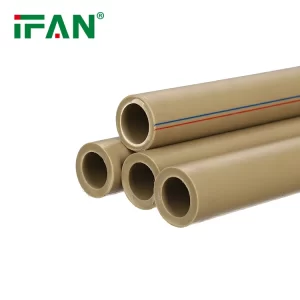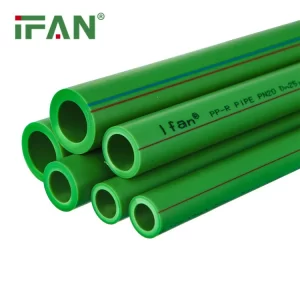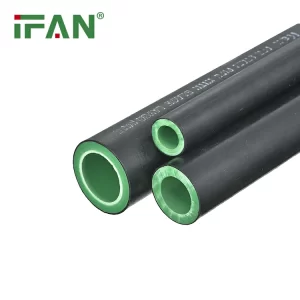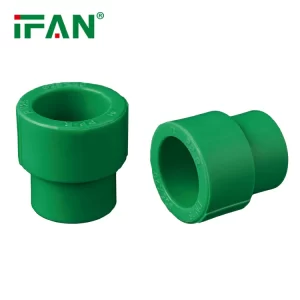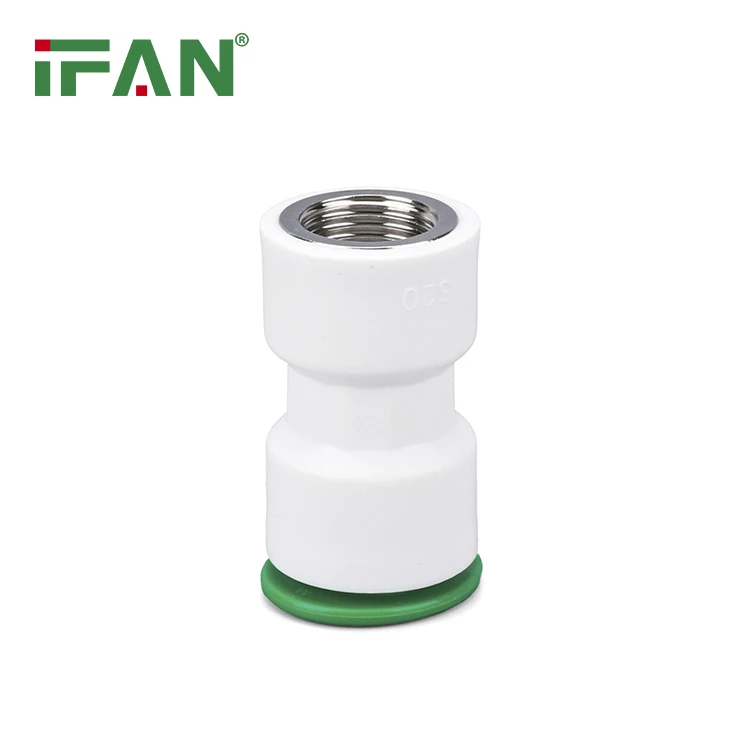
Safe drinking water certification for PPR-C material ensures every drop flowing through your pipes stays pure, free from harmful chemicals, and safe for your family to drink. This comprehensive guide explains exactly what these certifications test, why they matter for PPR-C pipes, and how they protect public health in homes, schools, and hospitals. You’ll learn the science behind certified PPR-C, explore real-world applications, discover expert buying tips, and see how it compares to other piping materials. By the end, you’ll understand why safe drinking water certification for PPR-C material is the foundation of modern, worry-free plumbing.
Common Questions About Safe Drinking Water Certification for PPR-C (FAQ)
Homeowners, contractors, and facility managers often ask these five key questions before selecting certified PPR-C pipes.
- What exactly does safe drinking water certification test for in PPR-C?
Independent laboratories test PPR-C for over 160 contaminants—including lead, BPA, phthalates, and volatile organic compounds—ensuring no leaching occurs even after 50 years of continuous use at high temperatures. - Is all PPR-C automatically certified for drinking water?
No. Only PPR-C produced under strict quality controls and tested to NSF/ANSI 61, WRAS, or similar standards earns safe drinking water certification. Always check the markings on the pipe. - Does certification expire or need renewal?
The certification remains valid indefinitely as long as you install and operate the pipe within specified limits. Manufacturers undergo annual factory audits to maintain active listing. - Can certified PPR-C handle both hot and cold drinking water lines?
Yes. Certified PPR-C safely transports cold water from the meter and hot water up to 95°C in recirculation loops without releasing any substances into the flow. - Is there a price difference between certified and non-certified PPR-C?
Certified pipes cost 5–12% more due to extensive testing and quality assurance, but the investment prevents health risks and avoids costly pipe replacements down the line.
What Is a PPR-C Piping System? Definition and Features
PPR-C refers to Polypropylene Random Copolymer Type 3, the highest-grade resin used when safe drinking water certification for PPR-C material is mandatory. Manufacturers process this material in clean environments with precise additives to eliminate impurities from the start. Key features include:
- Chemical Purity: PPR-C resists chlorine, acids, and alkalis, ensuring water tastes and smells exactly as nature intended.
- Ultra-Smooth Bore: A surface roughness of just 0.007 mm prevents bacterial adhesion and keeps pressure loss minimal.
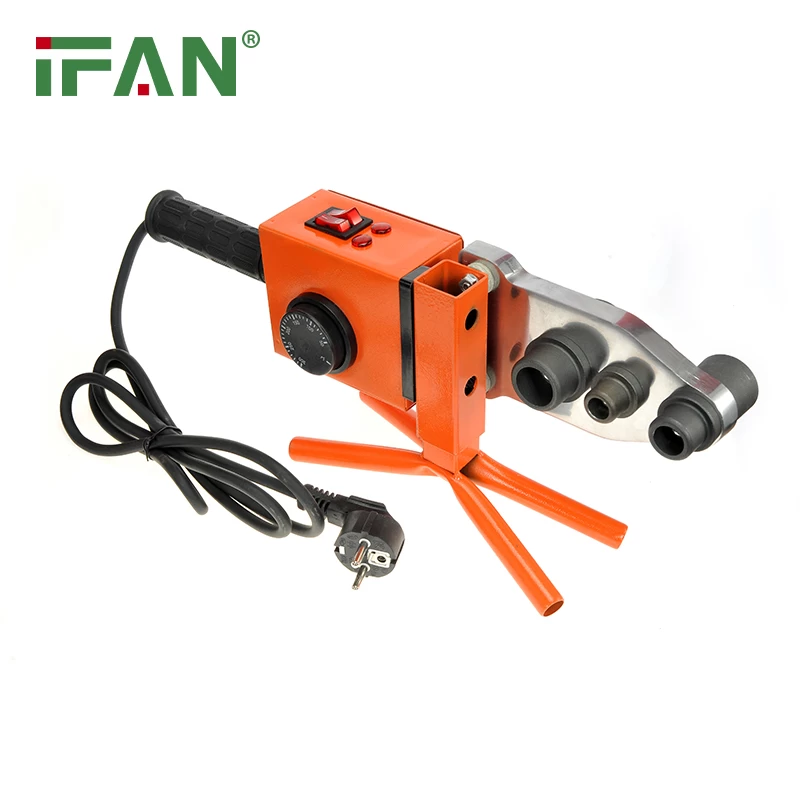
- Permanent Fusion Joints: Heat welding at 260°C creates seamless, monolithic connections stronger than the pipe itself.
- Wide Temperature Range: The material performs reliably from -20°C to 95°C without softening, cracking, or leaching.
- Lightweight Construction: A 6-meter length of 32 mm PPR-C weighs only 1.4 kg, making overhead installations fast and safe.
These characteristics make PPR-C the trusted choice for potable water systems worldwide.
Common Uses and Industry Applications
Safe drinking water certification for PPR-C material enables its use across critical sectors where water quality is non-negotiable:
- Residential Plumbing: Complete cold and hot water distribution from the main to every faucet and shower.
- Multi-Story Buildings: Vertical risers and horizontal branches in apartments and condominiums.
- Healthcare Facilities: Patient hydration lines, dialysis water supply, and laboratory pure water systems.
- Educational Institutions: Drinking fountains, cafeteria kitchens, and science lab water stations.
- Food and Beverage Production: Process water for bottling plants, breweries, and dairy facilities.
Each installation benefits from zero corrosion, consistent flow, and certified safety for decades.
How to Choose Certified PPR-C Pipe: Buying Guide
Selecting the right safe drinking water certification for PPR-C material prevents health hazards and ensures code compliance. Focus on these essential factors:
- Certification Symbols: Look for NSF/ANSI 61, WRAS, or DVGW logos printed every meter along the pipe wall.
- Material Designation: Confirm “PPR-C” or “PP-RCT” in the print line—never accept generic “PP-R” without proof of testing.
- Pressure Class: Choose PN16 for standard homes, PN20 for high-pressure or commercial applications.
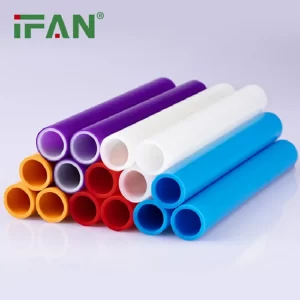
- Color Indicators: Light green stripes signal drinking water approval; solid green often includes an oxygen diffusion barrier.
- Size Range: Select diameters from 20 mm to 160 mm based on hydraulic calculations—use free online tools for accuracy.
- Traceability Codes: Certified pipes display batch numbers and production dates for full quality tracking.
- Supplier Credentials: Partner with distributors who provide material test reports and certificates of conformance.
Verifying these details guarantees every section of pipe meets global health standards.
Installation Tips for Certified PPR-C Pipes
Correct installation preserves safe drinking water certification for PPR-C material throughout the system’s lifespan. Follow these proven steps:
- Protect from Contamination: Store pipes in original packaging away from chemicals and sunlight until installation day.
- Cut Precisely: Use dedicated PPR cutters for clean, square ends—avoid saws that create plastic dust.
- Clean Meticulously: Wipe pipe ends and fitting sockets with isopropyl alcohol to remove all debris and fingerprints.
- Fusion Timing: Heat 20 mm pipe for 5 seconds, 25 mm for 7 seconds at 260°C—consult the fusion chart for larger sizes.
- Cool Properly: Hold joints motionless for at least 30 seconds after insertion to achieve full molecular bonding.
- Support Adequately: Secure pipes every 50 cm horizontally and 80 cm vertically using certified plastic clips.
- Flush Thoroughly: After pressure testing, run water for 20 minutes to clear any microscopic fusion particles.
- Record Everything: Photograph completed joints and log fusion machine settings for warranty and inspection records.
These practices ensure certification remains valid from installation to daily use.
PPR-C vs. Other Piping Materials: A Comparison
Compare safe drinking water certification for PPR-C material against common alternatives:
| Feature | Certified PPR-C | Copper | CPVC | PEX |
|---|---|---|---|---|
| Drinking Water Certification | NSF/ANSI 61, WRAS, FDA | NSF/ANSI 61 | NSF/ANSI 61 | NSF/ANSI 61 |
| Max Operating Temp | 95°C continuous | 100°C | 82°C | 82°C |
| Corrosion Resistance | Complete | Pinhole risk after 15–25 years | None | None |
| Chemical Leaching | Zero | Copper ions alter taste | Possible chlorine byproducts | Minimal VOCs if overheated |
| Joint Integrity | Heat fusion (no leaks) | Soldered or mechanical | Solvent weld | Crimp or expansion |
| Installation Complexity | Moderate (fusion tool) | High (torch skills) | Moderate | Moderate |
| Cost per Meter (25 mm) | $1.15–$1.70 | $4.80–$6.50 | $0.95–$1.40 | $1.30–$1.90 |
| Expected Lifespan | 50+ years | 25–40 years | 25–50 years | 30–50 years |
Certified PPR-C leads in purity, durability, and long-term value.
Conclusion
Safe drinking water certification for PPR-C material delivers more than compliance—it provides peace of mind that your plumbing protects health for generations. The combination of rigorous testing, inert chemistry, and seamless fusion joints ensures water stays pure from source to tap. Whether you’re building a new home or upgrading a hospital, certified PPR-C offers unmatched reliability. For pipes backed by NSF certification and full documentation, visit IFAN’s authorized distribution center at 4525 NW 72nd Ave, Miami, FL 33166, United States—your trusted local source for safe, certified PPR-C piping solutions.
Connect
IFAN is a Chinese manufacturer of plastic pipes, fittings, and valves with 30 years of experience. If you’re interested in IFAN copper fittings, copper valves, plastic pipes, and fittings, please contact us. IFAN offers a variety of standard pipes to meet your specific needs. Learn more about IFAN’s wide range of affordable and cost-effective valve products and piping system-related products.
We will reply to your email or fax within 24 hours. You can call us at any time if there is any question about our production.
For more information,pls visit our webside https://waterpipefitting.com/
Pls Mailto: [email protected]
Whatsapp: +86 13325756195