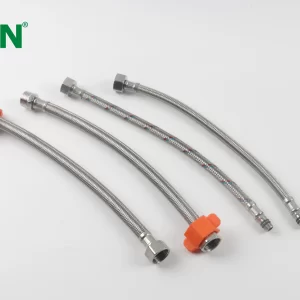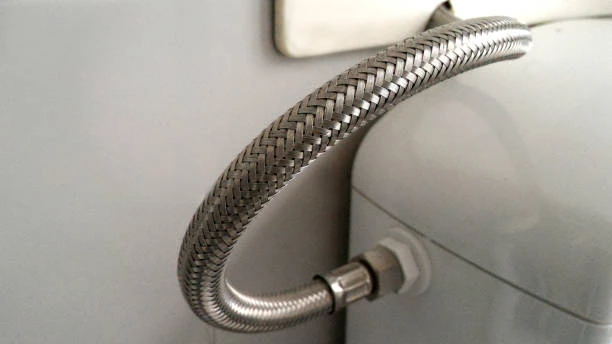
Wire braided hoses serve critical functions. They transmit fluids under pressure. Their stiffness affects performance significantly. This property influences installation and operation. Engineers must understand stiffness characteristics. This knowledge ensures proper hose selection. We will explore key aspects of hose stiffness. Our discussion covers causes and effects. We will also review measurement methods.
What Determines Hose Stiffness?
Several factors influence hose stiffness. The braid pattern plays a major role. Tight braids increase rigidity noticeably. Loose braids offer more flexibility. Material choice affects stiffness greatly. Steel braids are very strong. They also add considerable stiffness. Synthetic braids are less rigid. The inner tube material contributes too. Thicker walls generally increase stiffness.
Pressure Rating Relationships
Stiffness relates to pressure capacity. Higher pressure hoses are usually stiffer. They need more reinforcement typically. This adds to overall rigidity. However, some modern designs challenge this. They offer high pressure with flexibility. Material advances make this possible. Always check specifications carefully.
Temperature Effects on Stiffness
Temperature changes alter hose stiffness. Cold conditions increase rigidity significantly. Hoses become less flexible in winter. Heat generally reduces stiffness. But excessive heat causes problems too. It can degrade materials permanently. Operating ranges account for these changes. Quality hoses maintain performance within limits.
Measurement Standards and Methods
Industry standards govern stiffness testing. SAE and ISO provide common methods. They measure bend resistance precisely. Force gauges quantify flexibility. Testers record minimum bend radius. These values help designers greatly. Manufacturers provide these specifications. Always consult them during selection.
Flexibility Versus Durability
Flexibility seems desirable always. But stiffness provides benefits too. Rigid hoses resist abrasion better. They hold shape under vibration. This prevents wear from rubbing. Stiff hoses often last longer. They withstand environmental stresses better. Balance your need for both properties.
Installation Considerations
Stiffness affects installation significantly. Flexible hoses route more easily. They fit into tight spaces better. Stiff hoses require careful planning. They need proper support structures. Bend radius limits are crucial. Installers must follow guidelines exactly. Poor installation causes early failures.
Vibration and Pulse Resistance
Stiff hoses handle vibration well. They absorb less energy from pumps. This reduces system fatigue overall. Flexible hoses dampen pulses effectively. They protect sensitive components better. Choose based on your system needs. Consider the complete operating environment.
Flow Characteristics Impact
Hose stiffness affects flow sometimes. Very flexible hoses may kink. This restricts flow unexpectedly. Stiff hoses maintain open passages. They ensure consistent flow rates. Pressure drop remains predictable. This is vital for system performance.
Weight and Handling Issues
Stiff hoses are often heavier. This affects handling during maintenance. Flexible hoses are easier to store. They coil compactly for transport. Consider service accessibility needs. Heavy hoses require support equipment. Lightweight options reduce effort.
Material Advances
New materials improve stiffness options. Composite braids offer strength with flexibility. Advanced polymers reduce weight significantly. These innovations continue evolving. They solve traditional trade-offs effectively. Stay informed about new products.
Application-Specific Requirements
Different applications need different stiffness. Hydraulic systems often need stiff hoses. They handle high pressures best. Industrial automation prefers flexibility. Robots need highly movable components. Always match the hose to the application.
Testing Your Specific Needs
Conduct practical tests when possible. Evaluate samples in real conditions. Check flexibility at operating temperature. Test bend radius with actual fittings. Confirm compatibility with your equipment. This prevents surprises during operation.
Maintenance and Stiffness Changes
Hoses change stiffness over time. Temperature cycles affect materials. Chemical exposure may alter properties. Regular inspection detects changes early. Replace hoses showing increased stiffness. This often indicates aging problems.
Safety Considerations
Stiffness relates to safety directly. Very flexible hoses may kink dangerously. This causes pressure buildup risks. Excessively stiff hoses crack eventually. They fail without warning sometimes. Choose hoses with appropriate stiffness. Follow all safety guidelines strictly.
Cost Implications
Stiffness affects product cost. More sophisticated materials cost more. Complex manufacturing adds expense too. But better performance justifies investment. Consider total cost of ownership. Quality hoses provide long-term value.
Environmental Factors
Environmental conditions influence stiffness choices. Outdoor applications need weather resistance. Temperature variations affect performance. UV exposure degrades some materials. Choose hoses rated for your environment.
Future Trends
Hose technology continues advancing. Smart hoses with sensors are coming. They monitor stiffness and condition. Self-healing materials may emerge. These will change stiffness management. Stay updated on new developments.
Conclusion
Hose stiffness requires careful consideration. It impacts performance and longevity. Understand your application needs completely. Consult with technical experts often. Choose quality products from reputable suppliers. Proper selection ensures reliable operation. Your systems will perform better ultimately.
IFAN’s international standards
IFAN products comply with a wide range of international standards, including ASTM 2846, DIN 8079/8080, ASTM F441/F441M SCH80, GB/T 18993 series, AS/NZS 1477, CSA B137.6, NSF/ANSI 14, and TIS 17-2532/1131-2535. These certifications ensure that our pipes and fittings meet global quality, safety, and performance requirements.
Connect
IFAN, a Chinese manufacturer with 30 years of experience, specializes in high-quality plastic pipes, fittings, and valves. Interested in IFAN’s copper fittings, copper valves, plastic pipes, or fittings? Contact us today. IFAN offers a wide range of standard pipes tailored to your needs. Explore our affordable, cost-effective valve and piping system products.
We respond to emails or faxes within 24 hours. For immediate assistance, call us anytime with questions about our products.
For more information,pls visit our webside https://waterpipefitting.com/
Pls Mailto: [email protected]
Whatsapp: +86 13325756195